 English
 中文简体
 عربى
News
Home / News / Industry News / Water-Based Adhesive on Self Adhesive Foil: Where It Works and Where It Doesn't
Professional manufacturer of architectural decorative film, Decorative Film Supplier in China

Content
Say you've stuck a roll of foil on a hallway wall and it's still flat six months later. Odds are the adhesive behind it is water-based, and nobody thought about it, which is exactly how it should go. Move that same roll into a steamy bathroom or out into the sun, and things get less certain.
So my short answer is this. Indoors, for short or medium-term jobs, water-based is usually fine. Damp rooms, long outdoor runs, glass that gets scrubbed with strong cleaners: ask more questions before you buy.
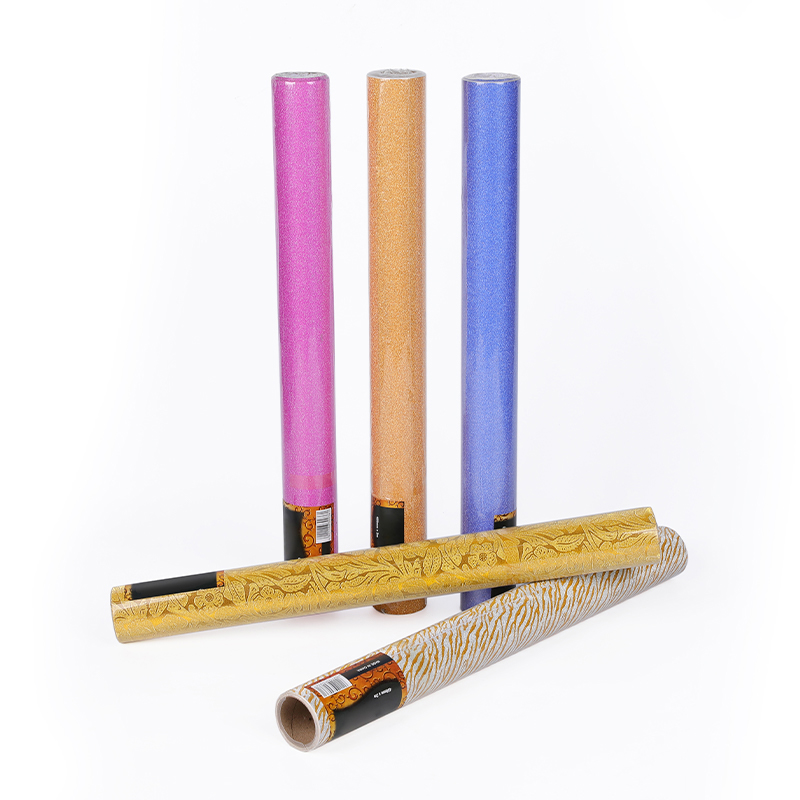
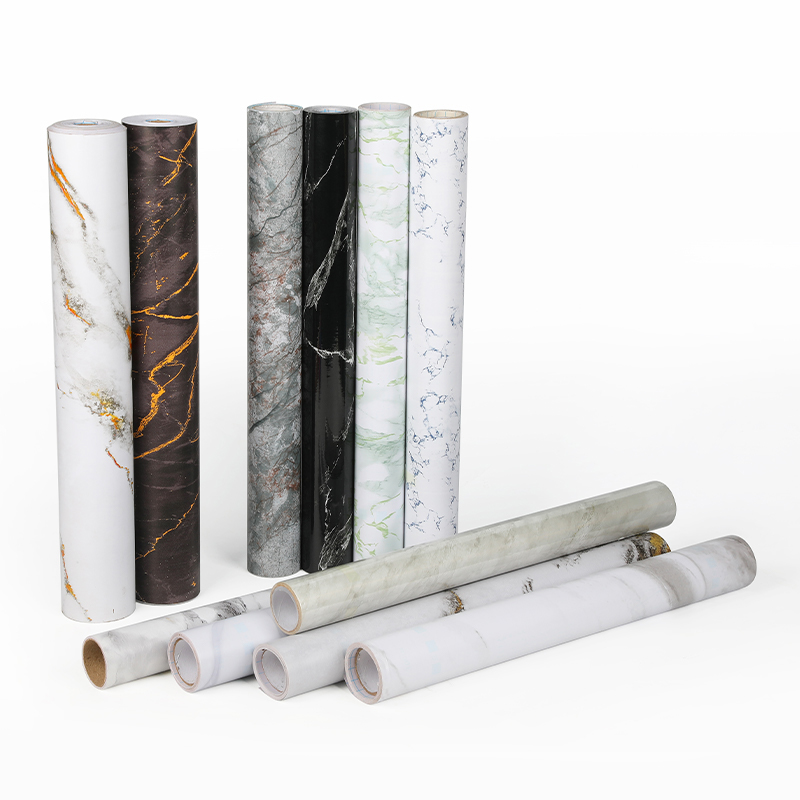
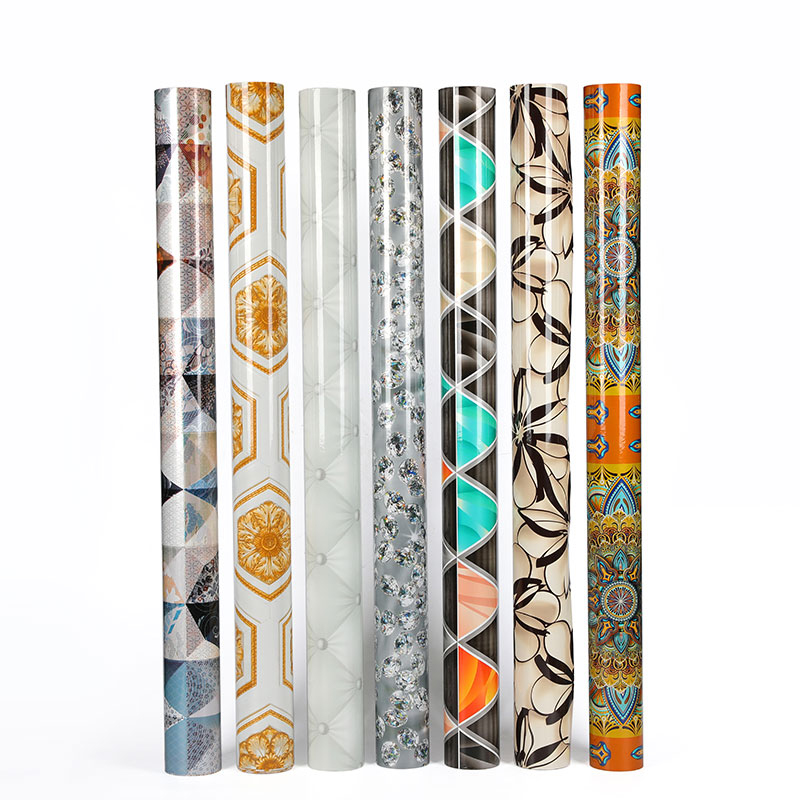
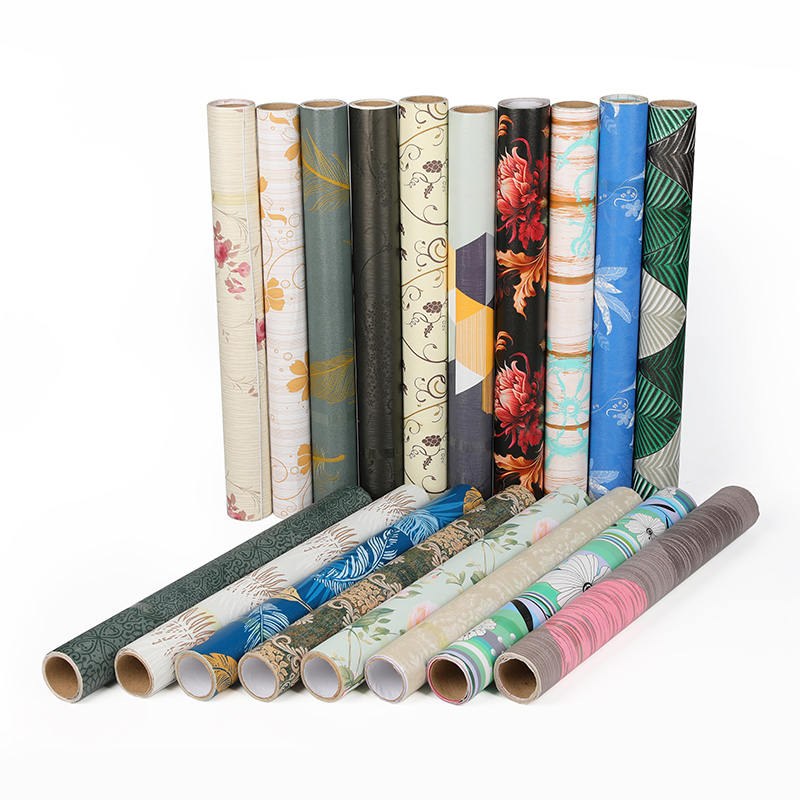
Our self-adhesive PVC foil for walls and furniture is the range I'm talking about throughout.
One thing to remember: water-based doesn't mean weak. It means cheaper, cleaner to produce and nicer on indoor air. You just have to pick the right job for it.
Peel the liner off a roll and touch the back. That tacky surface is nearly always an acrylic pressure-sensitive adhesive, meaning it sticks the moment you press, with no heat to apply and nothing to activate. Acrylic took over from the older rubber types because it holds up better as it ages, and it copes with warmth and plasticizer without turning to goo. If you'd like the technical side, a review of acrylic pressure-sensitive adhesives goes into it. It credits them with good aging, tolerance of heat and plasticizers, and fairly good water resistance.
Now, "water-based" versus "solvent-based." People make this sound like two different glues. It's really the same family, just delivered differently. Think of paint. Water-based paint arrives as a milky liquid, you spread it, the water dries off, and a film is left on the wall. The adhesive works the same way at the factory: it's coated onto the film as an emulsion, the water leaves, and the sticky layer stays put. The solvent type is the same polymer dissolved in a chemical solvent rather than water.
What changes for you:
PVC adds its own wrinkle. Soft PVC is full of plasticizer, and plasticizer drifts. When it creeps into the adhesive, the adhesive softens and slowly lets go. Better makers handle that in the formulation or with a barrier layer. Cheap film often doesn't, and you find out around month eight.
Sign-industry people have been saying roughly the same thing for years. A sign industry guide to pressure-sensitive vinyl adhesives points water-based types at indoor graphics and short to medium outdoor use, and keeps solvent-based for the medium and long term. It's a rule of thumb, but I've found it holds up for decorative foil too.
| Where you're using it | Water-based adhesive | My take |
|---|---|---|
| Interior walls, painted and cured | Good fit | The usual first choice, and gentle at removal |
| Cabinets, furniture, doors | Good fit | Edges matter more than the face, so press them down well |
| Rental or short-term displays | Very good fit | A removable grade saves the paint |
| Bathrooms, kitchens near the sink | Use with care | Constant moisture is where emulsions struggle |
| Glass or polycarbonate, cleaned often | Use with care | Strong cleaners can attack the bond |
| Long outdoor use | Usually not | Go solvent-based or an acrylic built for weather |
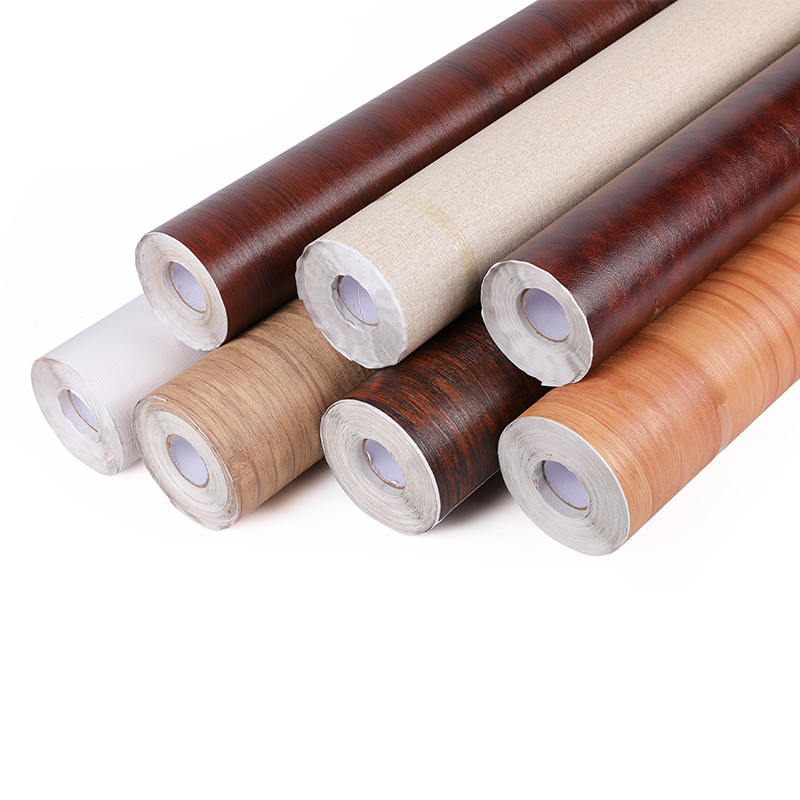
On a smooth interior surface, something like our high-gloss self-adhesive foil with strong initial tack shows why first-contact grip matters. Textured jobs such as cabinet wraps rely more on contact area, which is where a wood-grain adhesive foil with a 3D embossed back coating comes in.
Most "bad adhesive" complaints I hear turn out to be install mistakes. A few habits fix most of them.
Skip the wet method. Some installers spray application fluid on the surface, the way vehicle wraps are sometimes done. With water-based adhesive that backfires. The liquid gets between film and surface, setting takes far longer, and the foil may never grip properly. Apply it dry.
Offcuts are the other half of a tidy job. How self-adhesive foil limits waste on site covers that side nicely.
You can't judge the adhesive by looking at the roll, so ask. A supplier who knows the product will answer without fuss. Here's what I'd put on the list:
Number three is where buyers get caught. A peel figure with no test conditions is nearly meaningless, and peel, tack and shear are three different things anyway. How peel, tack and shear are measured on adhesive vinyl goes through it step by step.
The sample is the part people skip, and it's the part that pays off. Cut a few strips, stick them on the wall or board you'll really be covering, and leave them alone for a couple of days. Then go and look at the corners. Two minutes of checking beats a datasheet every time.

Not by itself. When foil lets go, the cause is usually dust, a damp wall or paint that hadn't cured. Cheap film is the other suspect, because plasticizer can seep into the adhesive and soften it.
For a sign that's up a few weeks, probably. For a few years of sun and rain, I'd say no. Choose an adhesive made for the weather.
If you catch it in the first few minutes, yes, and go slowly. After that it keeps gaining grip and gets harder to move. Planning to redecorate later? Buy a removable grade.
Usually, yes. Water costs less than solvent, and the coating process is simpler.
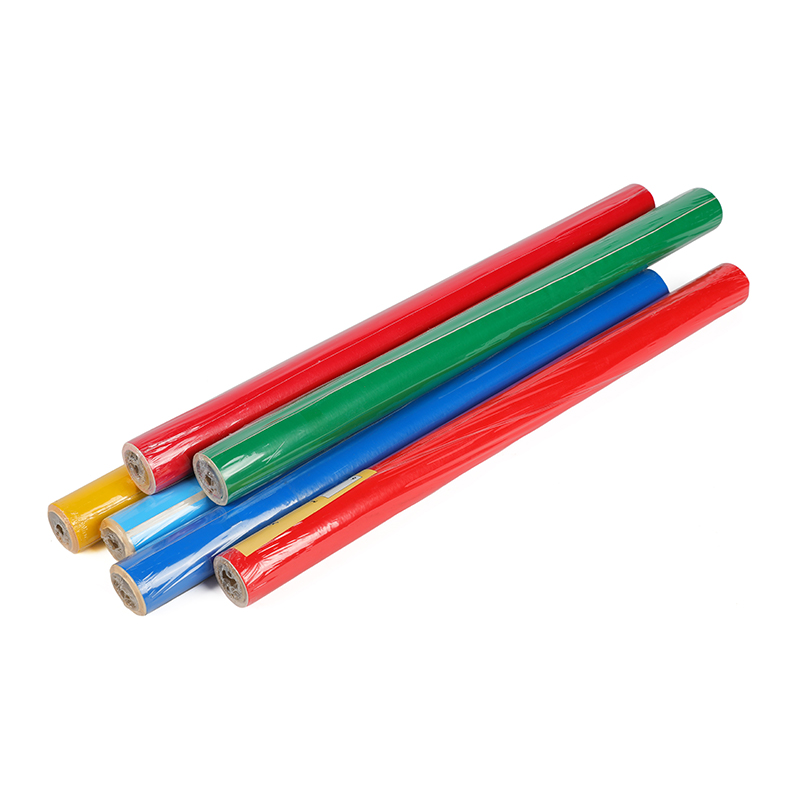
Try a plain-color self-adhesive foil first. With no pattern to line up, you can focus on how the adhesive behaves, then move on to a printed or embossed range once you're happy with it.

To increase our production capacity, Han Yang has invested in a range of advanced equipment, including gravure printing machines, lamination machines, coating machines, and embossing machines. Architectural Decorative Film Supplier and Decorative Film Factory in China.

 Previous