 English
 中文简体
 عربى

News
Content
- 1 The Short Answer: Sometimes, and Only on Rigid Vinyl
- 2 What Solvent-Based PVC Adhesive Actually Does to the Surface
- 3 Match the Vinyl to the Adhesive
- 4 What to Use on Flexible Vinyl Instead
- 5 Prep, Ventilation and Cure Time That Prevent Failed Bonds
- 6 When You Can Skip the Glue Entirely
- 7 Common Questions
The Short Answer: Sometimes, and Only on Rigid Vinyl
Rigid vinyl, yes. Soft vinyl, mostly no. If that's all you wanted, you can close the tab.
I do get why people mix this up. Nearly everything made of PVC gets called "vinyl" in casual talk, so a drain pipe and a pool float end up in the same bucket. They're cousins, not twins. Cement made for the pipe will happily ruin the float.
Not sure what you've got? Bend a spare corner.
- Gives easily, then springs back: soft vinyl. Leave the cement on the shelf.
- Stiff, barely moves, or cracks: rigid. Cement is fair game.
- Thin and floppy, like a shower curtain: soft, and fussy about solvents.
What Solvent-Based PVC Adhesive Actually Does to the Surface
Open a tin of PVC cement and the smell gets you before the lid is off. That's the solvent, mostly tetrahydrofuran (THF), sometimes with cyclohexanone or MEK mixed in, and it's doing the real work. There's some dissolved PVC resin in there too, but that's mainly filler for the gap.
Brush it on and the plastic underneath goes slightly soft and tacky, like it's started to melt. Push two wet faces together and they fuse. Give it a while, the solvent leaves, and the joint is basically one lump of plastic. So it's less a glue and more a weld.

Welding is great when the plastic is rigid. It goes wrong with soft vinyl.
| Material | What the solvent does | Result |
|---|---|---|
| Rigid pipe or profile | Softens the surface briefly, then it re-hardens | Joint as strong as the plastic around it |
| Soft sheet or inflatable | Pushes plasticizer around inside the material | Stiff patches, tacky patches, cracks when flexed |
| Thin film | Can dissolve straight through | A hole where the bond should be |
Plasticizer is the whole story. It's what lets PVC bend, and soft products carry a lot of it. Hit that with strong solvent and it migrates, so the seam ends up stiff in one place and gummy in another. It also seeps into adhesives, which is why cheap vinyl stickers start lifting after a season or two.
Two rigid surfaces, or skip the weld.
Match the Vinyl to the Adhesive
Before you buy anything, work out what you're holding. This table covers the cases that come up most.
| What you have | PVC solvent cement? | Use this instead |
|---|---|---|
| Rigid pipe, fittings, conduit | Yes, it's made for this | Cement rated for the pipe size |
| Rigid sheet or trim | Maybe, test an offcut first | Thin coat of cement or a two-part structural adhesive |
| Flexible sheet, inflatables, upholstery | No | Flexible vinyl cement |
| Soft tubing and hose | No | Barbed fittings and clamps |
| Vinyl flooring | No | The adhesive the flooring maker specifies |
| Self-adhesive vinyl film | Not applicable | The film's own adhesive layer |
What to Use on Flexible Vinyl Instead
Soft vinyl needs an adhesive that bends with it. These are the four I'd look at first.
| Adhesive | Best for | Watch out for |
|---|---|---|
| Flexible vinyl cement | Inflatables, coated fabric, upholstery patches | Strong fumes, flammable |
| Polyurethane adhesive | Thin soft vinyl onto wood or another plastic | Needs a scuffed surface to grip |
| Cyanoacrylate (super glue) | Tiny splits that never flex | Cures hard and cracks with movement |
| Epoxy | Rigid vinyl only | Leaves a stiff ridge on soft material |
If you're patching something, round the corners of the patch. It sounds fussy, but square corners are usually where a patch starts to peel. Let it overlap the damage by a couple of centimeters all round, and put adhesive on both the patch and the surface underneath, not just one.
Flooring I'd treat separately. Damp concrete, a different plank backing, an old adhesive layer underneath: any of them can change what holds, so I can't give you one answer. Read what the flooring maker says and follow that.
Prep, Ventilation and Cure Time That Prevent Failed Bonds
Honestly, the adhesive is rarely the culprit. Somebody skips the cleaning, or glues a surface that still has hand cream on it, then blames the tin. Here's the order I'd work in.
- Wipe it down. Isopropyl alcohol on both faces, then wait. A surface that looks dry but isn't will wreck the bond.
- Rough it up. Fine sandpaper on anything glossy, and wipe off the dust afterward.
- Try it on scrap first. Glue an offcut and flex it fifty times or so. If it goes stiff, stays tacky or cracks, switch adhesives before you touch the real thing.
- Go thin. One light coat. A thick layer holds solvent in and stays soft for days.
- Leave it alone. Follow the label. For flexible repairs I'd give it a full day before stretching anything.
A quick safety thing, because it gets skipped. THF has a flash point of 6°F, far below room temperature, so vapor from an open tin can ignite from a spark. The NIOSH hazard data for tetrahydrofuran sets a recommended limit of 200 ppm averaged over eight hours and lists eye and throat irritation, headache and dizziness among the symptoms.
- Open windows and keep air moving across the work.
- No pilot lights, cigarettes or sparks nearby.
- Lid back on between brush strokes.
- Wet rags go outside to dry before they go in the bin.
When You Can Skip the Glue Entirely
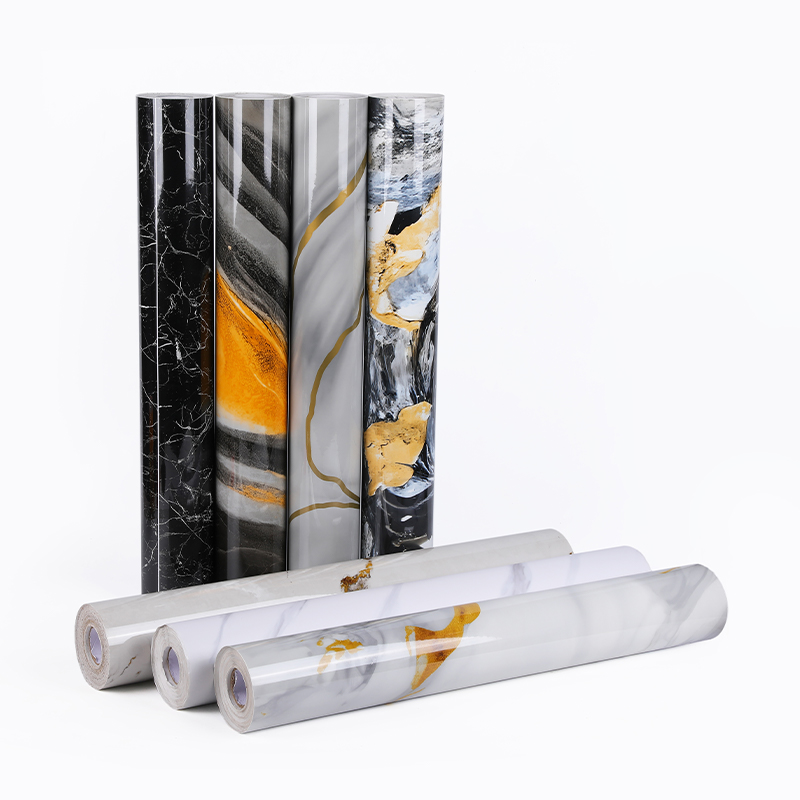
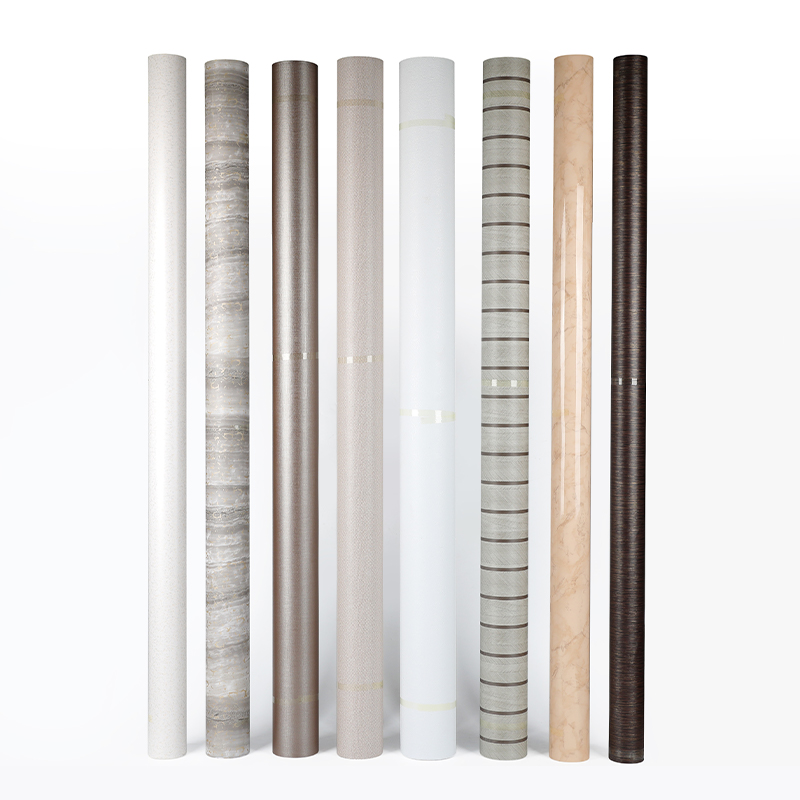
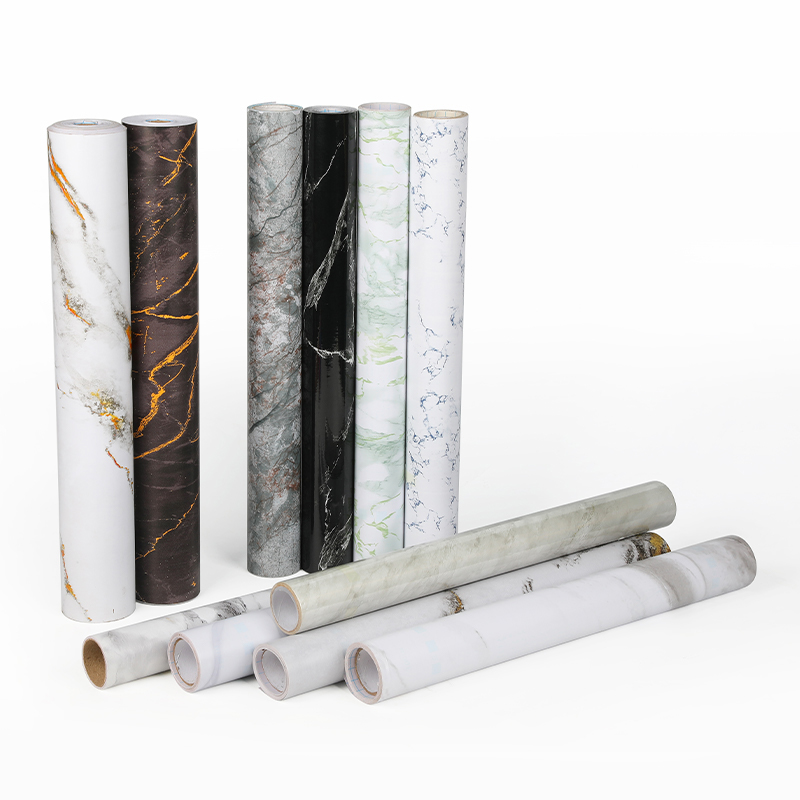
A fair number of people asking this aren't joining anything. They want to cover something up: a scratched cabinet door, a wall panel nobody likes. Brushing smelly solvent over a big flat area is a miserable way to do that. A film already has its adhesive on the back, put down evenly at the factory. Nothing to mix, nothing to inhale.
| The job | What fits |
|---|---|
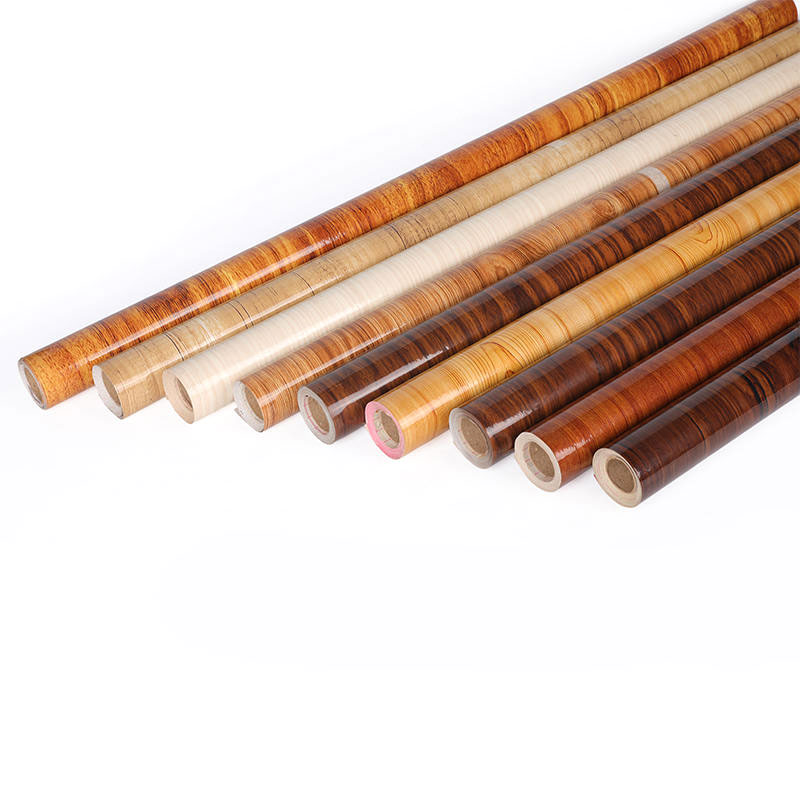
| Cabinets, furniture, flat walls | Self-adhesive PVC foil for walls and furniture |
| Panels and doors where the printed or embossed look matters | Decorative PVC film that needs no separate adhesive |
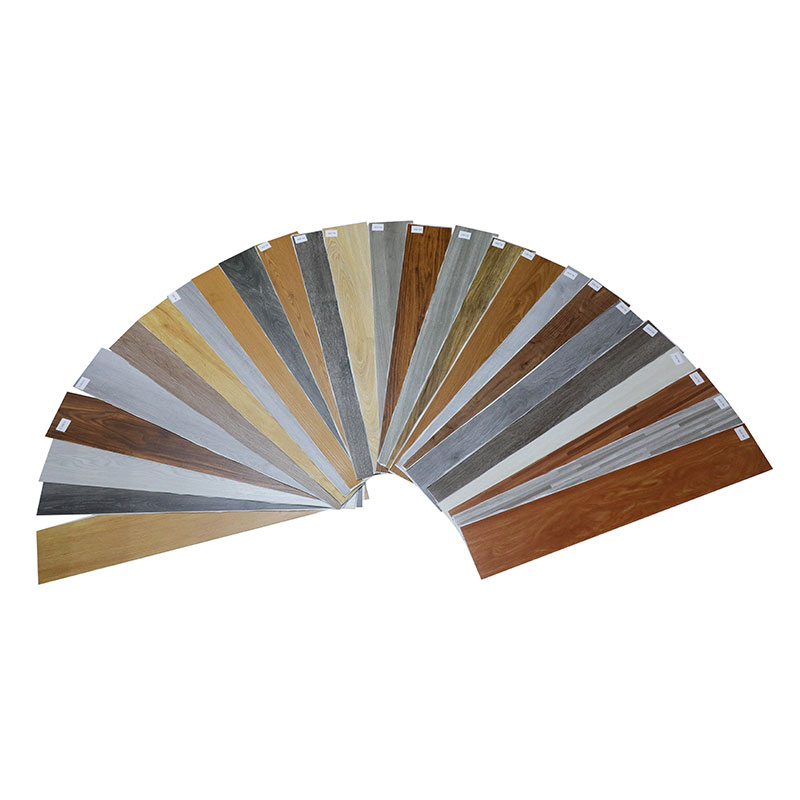
| Floors you might want to relay later | Reusable LVT flooring with a strong adhesive backing |
Don't treat film as foolproof, though. When a datasheet says "very strong," it's telling you close to nothing. Peel, tack and shear are three different measurements, and one film can do well on one and badly on another. How peel, tack and shear are measured on adhesive vinyl explains how to read those numbers. If you're also worried about offcuts piling up on a job, how self-adhesive foil limits waste during installation covers that side of it.

Common Questions
Can I use PVC pipe cement on vinyl tubing?
You can, but I wouldn't. Soft tubing is loaded with plasticizer, so you tend to get a stiff joint that leaks. Barbed fittings and a clamp do the job properly.
Will it patch an inflatable or a pool liner?
It'll probably hold for a few days, then the edge of the patch lets go. Flexible vinyl cement, brushed onto both the patch and the liner, holds far longer.
Can I stick vinyl flooring down with it?
No. It's meant for pipe joints.
I just want to freshen up a worn surface. What's easiest?
Use a film. Something like tile stickers for quick surface refreshes goes on as it comes, with no solvent, no primer and no cure time to plan around.
 Previous