 English
 中文简体
中文简体 عربى
عربىNews
Home / News / Industry News / PVC Self-Adhesive Wallpaper: A Practical Buying and Installation Guide
Professional manufacturer of architectural decorative film, Decorative Film Supplier in China

Content
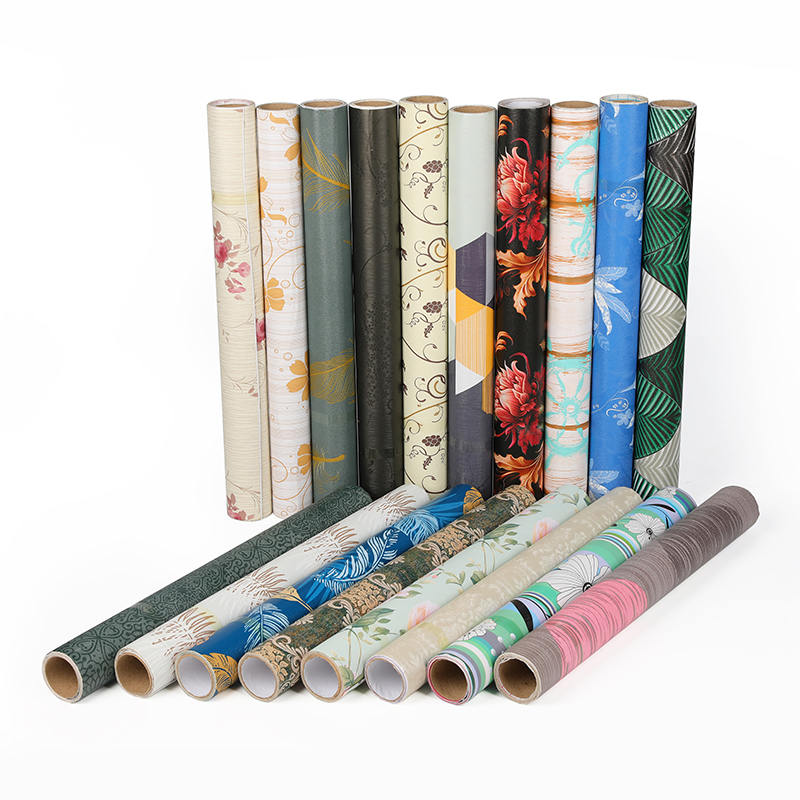
No paste bucket, no brush, no ten minutes of stirring glue until your arm gets tired. Peel back the paper liner, line up the edge, and press. That's really the whole pitch behind PVC self-adhesive wallpaper, and it's why so many people reach for it over a traditional roll the moment they've dealt with paste once and decided never again.
Under the surface, though, there's a bit more going on than "sticker for your wall." Most rolls are built from three layers pressed together: a printed PVC face that holds the color and pattern, a supporting film underneath that keeps the whole thing from tearing when you're wrestling it around a corner, and a pressure-sensitive adhesive coating protected by that peel-off liner. The PVC face is what gives it the water resistance — steam, splashes, the occasional coffee spill, none of it soaks in the way it would on plain paper.
One number worth checking before you buy: thickness. Rolls run anywhere from about 0.08mm up to 0.2mm, and it's not a minor spec. Go too thin and every dent or scratch already in your wall telegraphs straight through the finish — you'll see it the moment the light hits at an angle. A thicker sheet forgives more, hides small surface flaws, and holds up better while you're stretching and smoothing it into place.
Kitchens and bathrooms are where this stuff earns its keep first. Grease near the stove, condensation dripping down bathroom tile after a hot shower — painted drywall just doesn't shrug that off the way a PVC surface does.
But walls aren't the only place people reach for it. A lot of the demand actually comes from furniture — an old dresser with a chipped top, a kitchen cabinet door that's seen better days, a countertop nobody wants to look at anymore. Covering it takes an afternoon and a fraction of what replacing it would cost. Renters like it for a slightly different reason: it comes off cleanly when the lease ends, so updating a bland apartment doesn't have to mean losing a deposit over it.
Then there's the commercial side, where the traffic never really stops. A restaurant counter, a hotel hallway, a retail checkout desk — these surfaces get touched, bumped, and wiped down constantly, and a durable PVC finish holds its look far longer than paint would under that kind of daily wear.
Not every roll is built for the same job, and matching the specification to the surface saves both money and rework. The table below breaks down how the common variables line up against typical use cases.
| Attribute | Best For | What to Watch |
|---|---|---|
| Thin (0.08–0.10mm) | Furniture, smooth doors, low-traffic accent walls | Shows underlying texture; needs a flat base surface |
| Mid (0.12–0.15mm) | Bedroom and living room walls | Good balance of flexibility and durability for most rooms |
| Thick (0.16mm+) | Kitchens, bathrooms, commercial counters | Better puncture resistance but harder to wrap around tight corners |
| Glossy finish | Modern interiors, reflective accent panels | Shows fingerprints and application lines more readily |
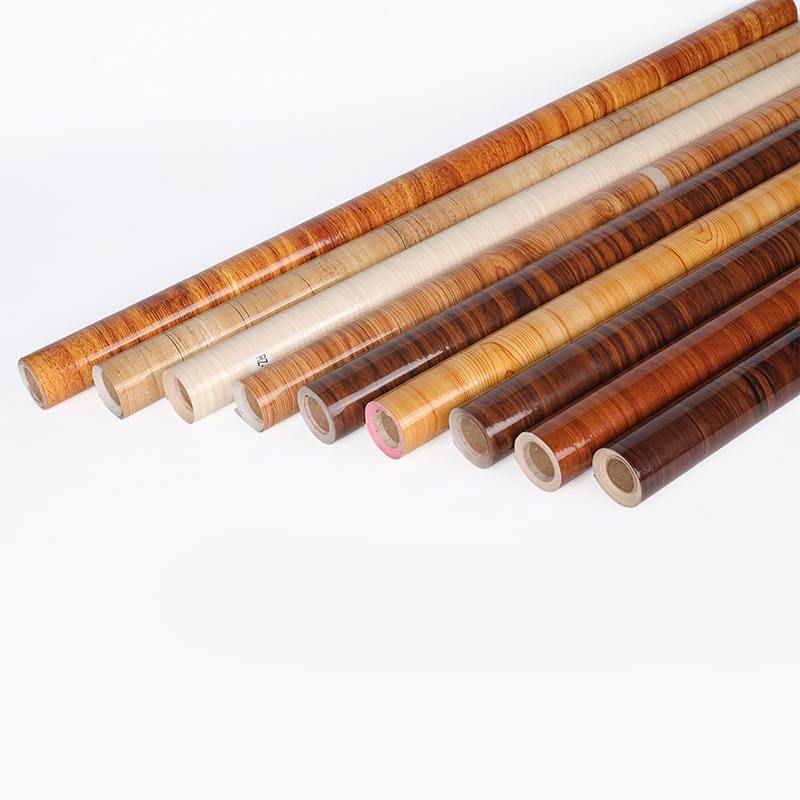
| Matte or embossed finish | Wood-look or stone-look designs | Hides seams better but can trap dust in deep texture |
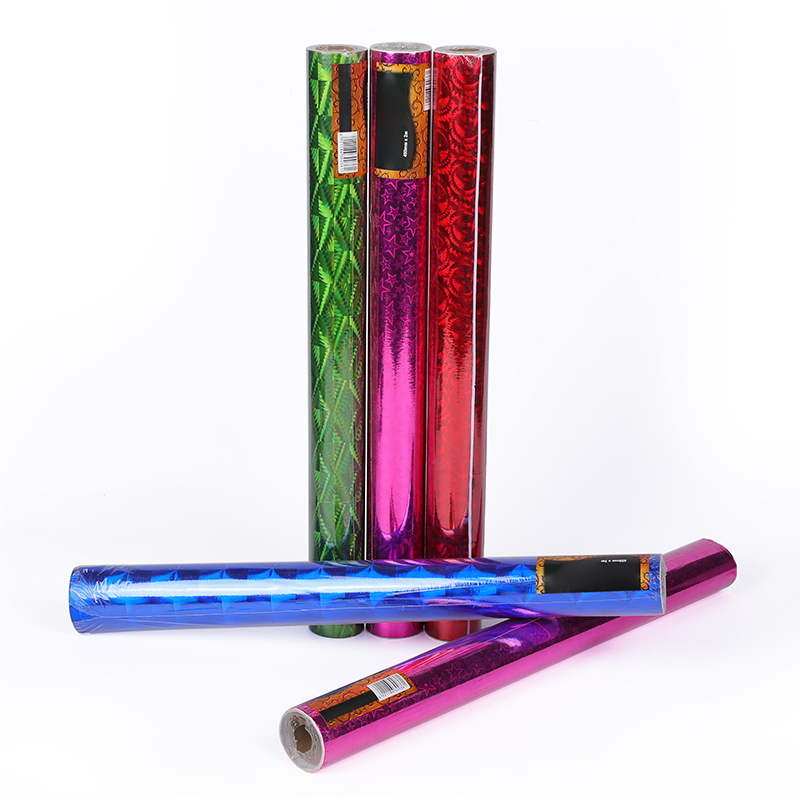
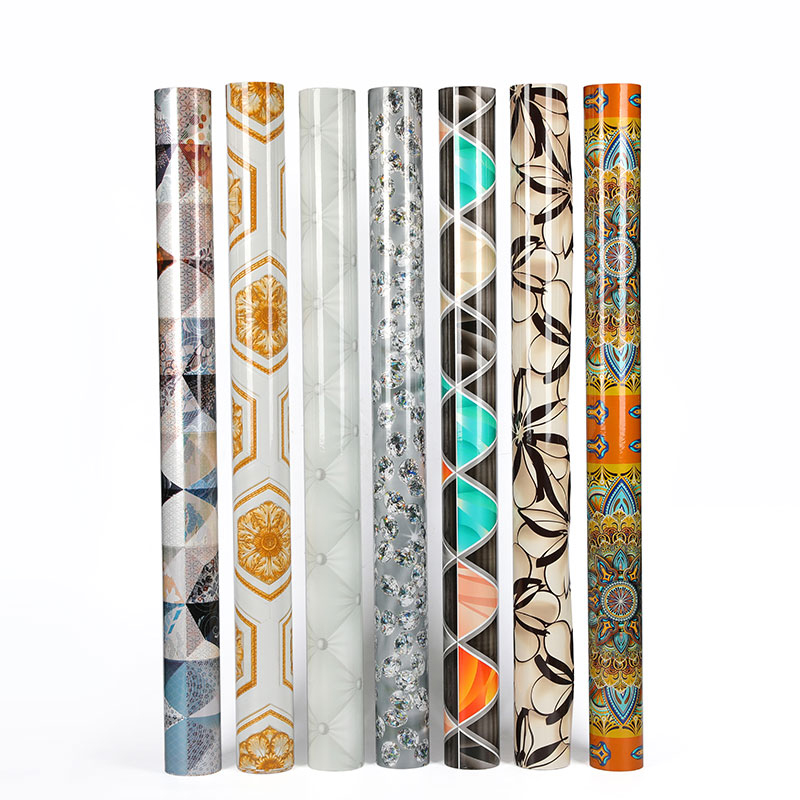
Roll width is worth checking before ordering too. A narrower roll means more seams across a large wall, and visible seams are one of the most common complaints in product reviews. For a smoother look on bigger surfaces, a self-adhesive foil collection with multiple finishes makes it easier to find a width and pattern that limits joins.

Room temperature matters more than most people expect. Applying the sheet in a cold room stiffens the adhesive and makes it harder to reposition, so working somewhere close to 20°C tends to give the cleanest result.
Routine upkeep is simple: a damp microfiber cloth handles dust and light grime, while a mild soap solution lifts grease around kitchen backsplashes. Abrasive scrubbers and strong solvents are the two things to avoid, since both can dull the printed layer or lift the seams over time.
Direct, prolonged sunlight is the more common long-term issue. South-facing walls or window-adjacent panels can fade faster than shaded areas, so pattern choice near bright windows is worth a second thought if color consistency matters for the space.
Because PVC relies on plasticizers for flexibility, indoor air quality is a legitimate question, especially for bedrooms, nurseries, or healthcare spaces. Not all PVC products are formulated the same way, and emissions vary depending on the plasticizer type and manufacturing process used.
Third-party certification is the most reliable way to check this before purchasing rather than relying on a package claim alone. independent low-emission testing standards for indoor building products set specific limits on volatile organic compound output, and products meeting the stricter tier are generally considered suitable even for schools and healthcare facilities.
For anyone sourcing at scale, asking a supplier directly for test reports or compliance documentation is a reasonable step — a manufacturer confident in their formulation should be able to provide that without hesitation.
Single-room projects usually come down to picking a pattern that fits the space. Larger renovation jobs or distributor orders change the calculation — consistent batch coloring, reliable roll widths, and lead time become just as important as the design itself.
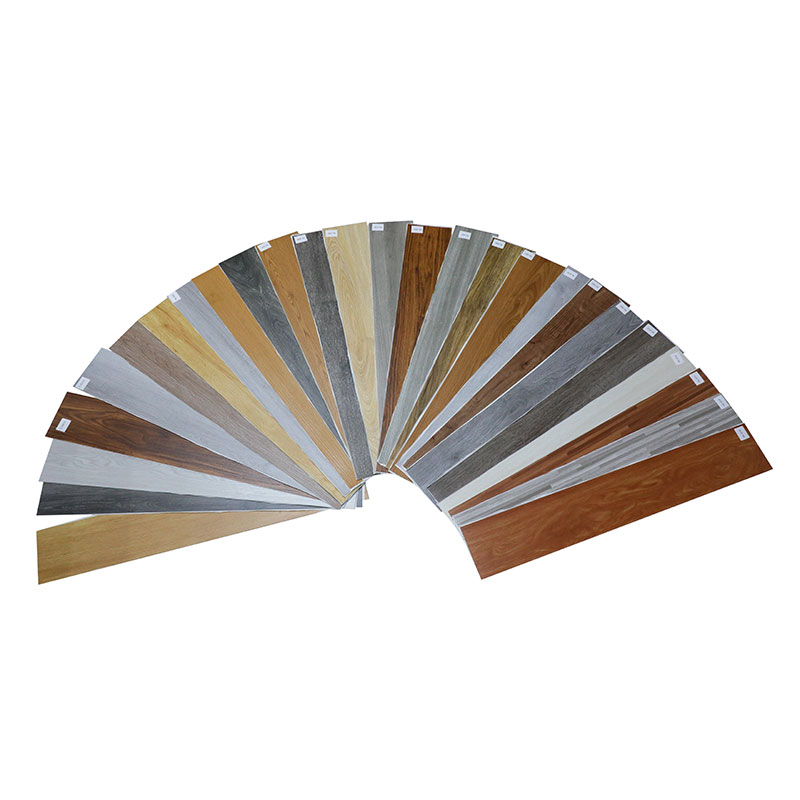
Design range matters here too. A 3D embossed woodgrain adhesive foil for a textured finish suits projects looking for a natural material look without the cost of real wood veneer, while a plain-color adhesive foil for minimalist interiors works better for commercial fit-outs that need a uniform, understated backdrop. For spaces aiming for a sharper visual statement, a high-gloss adhesive foil for a reflective, modern look tends to fit retail and hospitality environments well.
Beyond wallpaper specifically, projects that also involve furniture refacing or cabinet updates often draw from the broader broader PVC decorative film range for furniture and surfaces, and it's worth reading more on how PVC decorative film improves durability and design flexibility if durability across varied surfaces is a deciding factor for the order.

To increase our production capacity, Han Yang has invested in a range of advanced equipment, including gravure printing machines, lamination machines, coating machines, and embossing machines. Architectural Decorative Film Supplier and Decorative Film Factory in China.

 Previous