 English
 中文简体
中文简体 عربى
عربى
News
Content
The Layer Structure Behind Every Adhesive Wallpaper
Cut a small corner loose and lift it up with your fingernail. That's honestly the fastest way to understand what adhesive wallpaper actually is — feeling it, not reading a spec sheet about it.
Underneath your fingertip, there are three distinct layers stacked together:
- A printed or solid-color face, almost always PVC, which is the only part you ever actually look at once the piece is on the wall
- A layer of pressure-sensitive adhesive right underneath, doing the actual work of holding the sheet in place
- A silicone release liner on the very back, peeled off and thrown away before installation — it never touches your wall
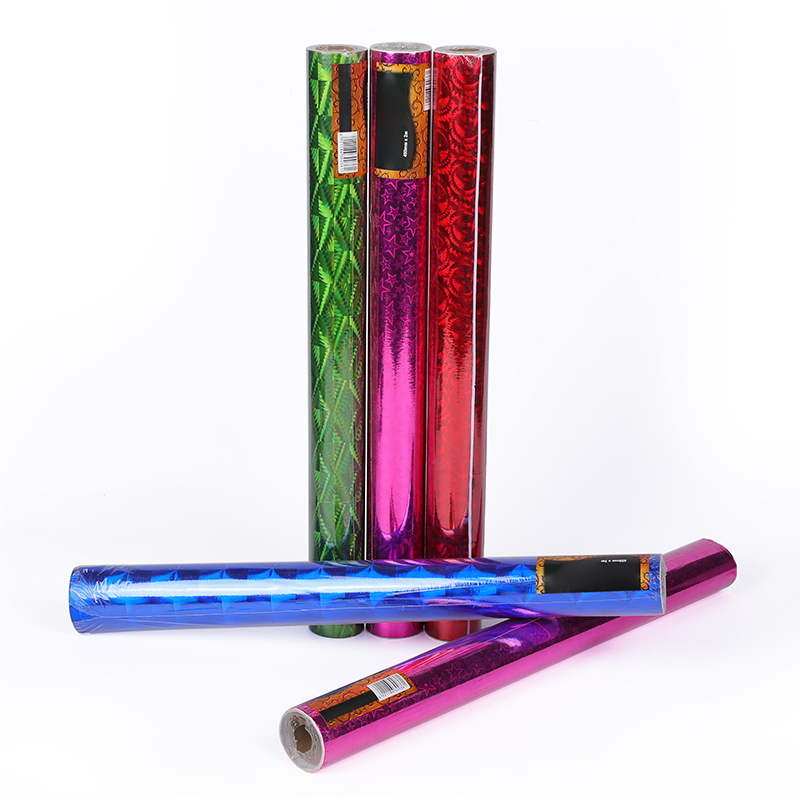
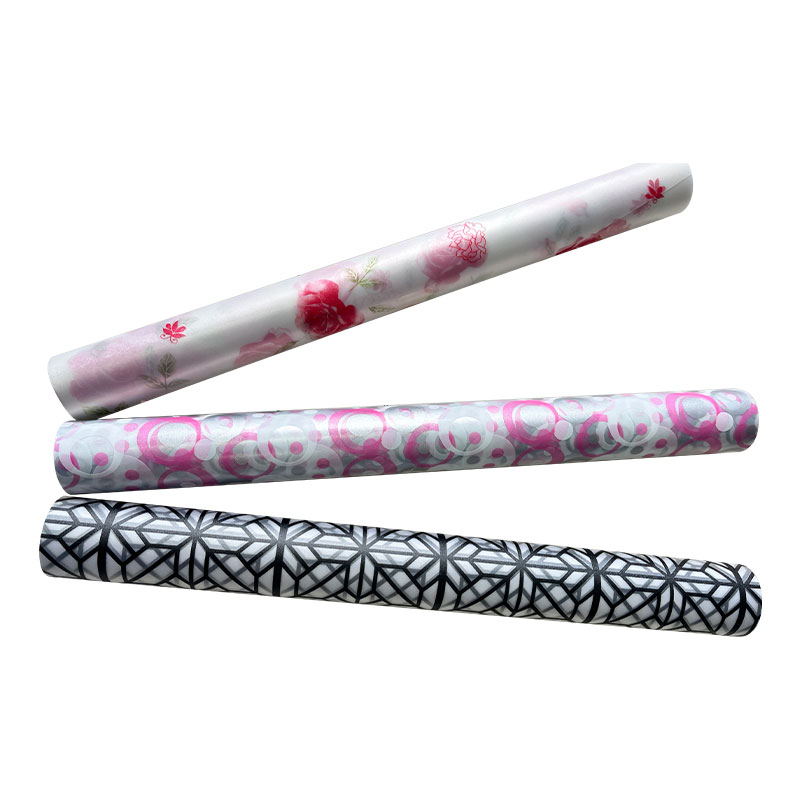
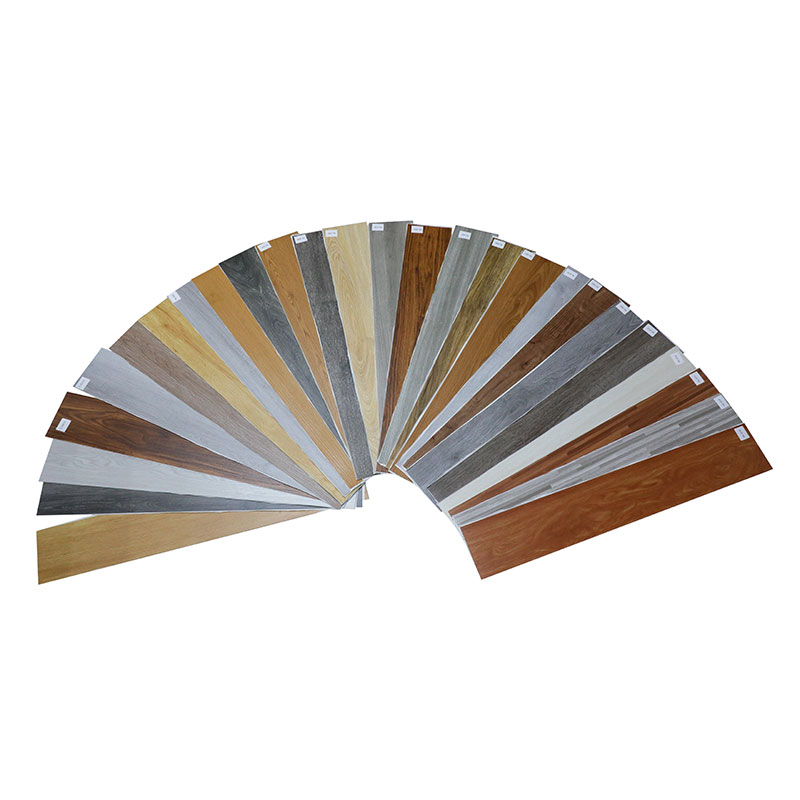
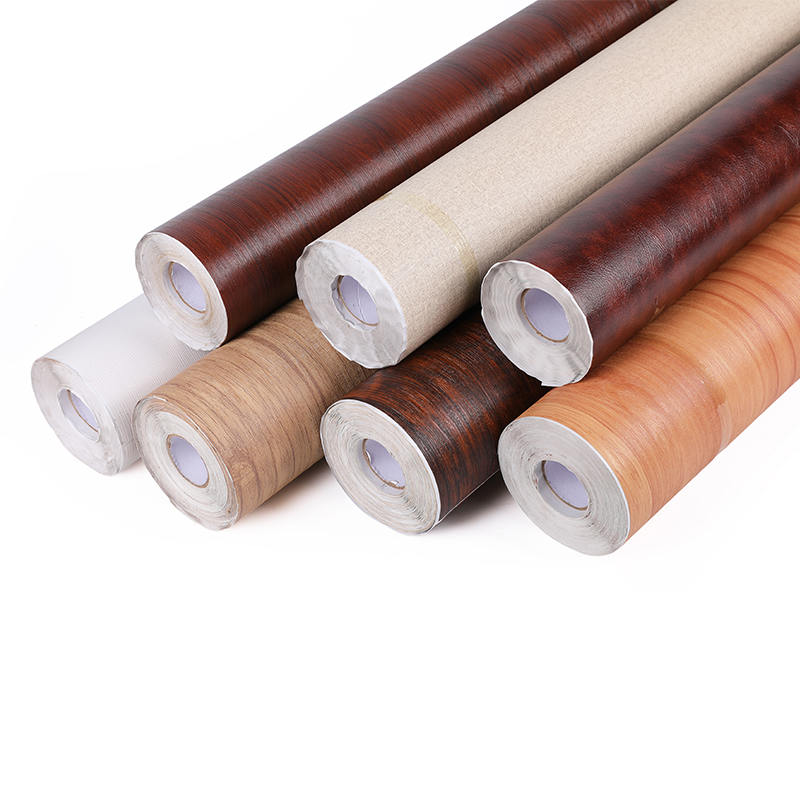
Here's the part that catches people off guard: almost none of the usual complaints — bubbling, curling, that faint yellow tint a couple of years in — actually start with the printed layer on top. They start in that middle adhesive layer, or in how the PVC face reacts to heat and humidity month after month. Once you know that, a lot of "why is my wallpaper doing this" questions get easier to answer, because you're finally looking at the right layer instead of blaming the pattern. If you want to see how consistent this build stays across very different looks — solid color, marble print, glitter, wood grain — the full construction of PVC self-adhesive foil and wall sticker products shows the same three-layer setup holding up underneath every one of them.
Why Bubbles Form Under the Surface
Not every bubble means the same thing. There are really two kinds, and telling them apart tells you exactly what went wrong.
Bubbles that show up on day one are almost always trapped air, nothing more. It happens when the film gets smoothed from one edge straight across instead of pushed outward from the center, boxing air in with nowhere left to go. The upside: this kind of bubble stays the same size afterward. It's not growing — it's just sitting there from installation day, and it's usually fixable with a pin prick and a smoother.
Bubbles that show up weeks or months later are worth paying closer attention to. If a soft spot grows a little more every few weeks instead of appearing overnight, that's moisture vapor, not air. A few things tend to cause it:
- The wall wasn't fully dry before the film went on
- Paint underneath hadn't finished curing and is still releasing solvent
- The room went through a heavy humidity swing right after installation
With nowhere else to escape, that vapor pushes up against the adhesive from underneath until it finally shows up as a soft pocket under your hand. One thing worth knowing before buying: a thicker film isn't automatically the safer bet here. Thinner films show this pressure almost right away, which actually works in your favor since you catch the problem early. Heavier films can hide the same buildup longer before a bubble becomes visible, which sounds like an advantage until it isn't. What matters more than raw thickness is the adhesive's tack strength, covered in more detailed thickness and adhesive tack specifications if you want the actual numbers behind it.
What Causes Edge Curling and Seam Lifting
Curling almost always starts at a seam or corner, never in the middle of a flat panel, and that pattern itself is a clue. Edges are where the film's cut boundary meets open air directly, so they're the first place moisture from the room can work its way against the adhesive bond from the side rather than from underneath.
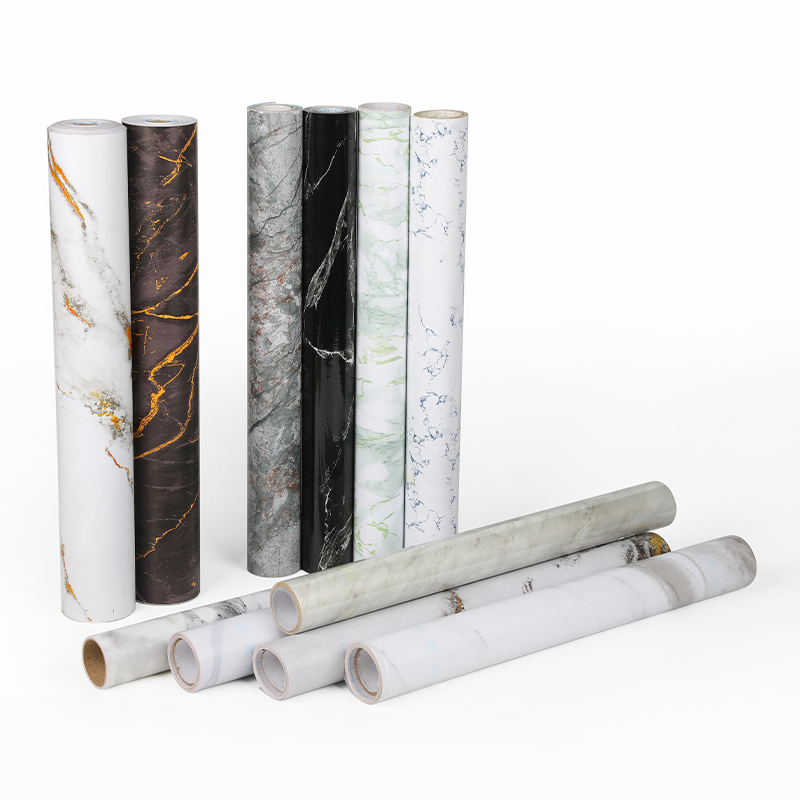
Paper-backed products are particularly prone to this because paper absorbs ambient humidity and expands slightly at the edges, pulling against the adhesive until it releases. PVC-based films resist this better since the polymer itself doesn't absorb water the way paper fibers do, but they're not immune. In bathrooms, kitchens, and anywhere condensation regularly forms against the wall, even a PVC film can lift at the seams once humidity cycles enough times. This is exactly the environment where chemical- and corrosion-resistant marble-pattern foil built for humid environments tends to outperform a standard-grade film, since the adhesive formula underneath is built for the moisture load rather than just the visual finish on top.
Glass surfaces present the opposite problem entirely. Standard adhesive doesn't bond to smooth glass reliably over time regardless of formula, which is why static-cling products exist as a separate category. A glue-free glass static film that avoids adhesive residue entirely sidesteps curling and lifting altogether by not relying on adhesive at all.

Why Some Films Yellow or Fade Faster Than Others
Color change over time comes down almost entirely to two things: the adhesive's base chemistry and how much direct sunlight the wall gets. Rubber-based adhesives break down faster under ultraviolet exposure, and as they degrade, they tend to yellow visibly through the film even when the printed pattern itself hasn't changed at all. Acrylic-based adhesives resist this far longer, which is why the underlying adhesive type matters more than most product descriptions suggest.
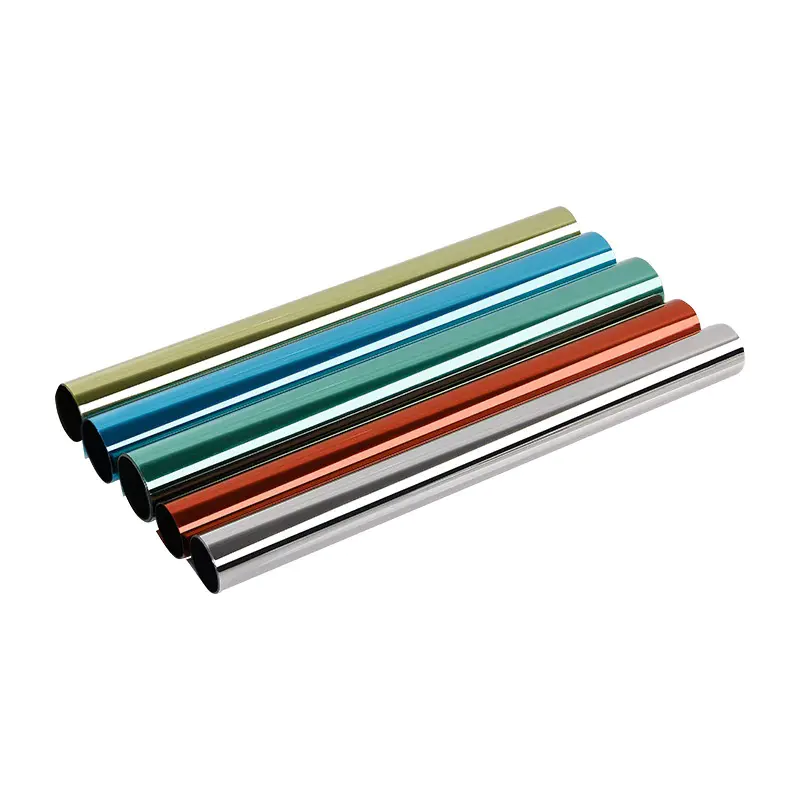
Surface finish changes how visible this aging actually is. Matte and embossed textures scatter light and hide subtle discoloration reasonably well, while a smooth, reflective surface shows even small color shifts immediately. This is one reason high-gloss self-adhesive foil, which shows surface imperfections fastest, tends to draw complaints about fading sooner than a textured film would, even when both are aging at a similar underlying rate.
Chemical composition of the film itself is also a regulated variable, not just a marketing detail. Within the EU, PVC-based products fall under REACH, the regulation governing how chemical substances in manufactured goods are registered and restricted. The scope of what that actually covers is laid out on the European Chemicals Agency's REACH legislation page, and it's part of why adhesive formulation isn't something manufacturers can quietly swap out between production runs.
Reading These Signs Before They Become a Bigger Problem
Most adhesive wallpaper problems give a warning before they become visible failures. A soft spot that gives slightly under a fingertip is an early bubble, not yet a tear. A seam that lifts a millimeter at the corner is the beginning of curling, not the end stage. Catching these early usually means a small repair rather than a full panel replacement.
The pattern worth remembering is that bubbling points to trapped air or moisture, curling points to edge exposure and humidity cycling, and yellowing points to adhesive chemistry meeting UV light over time. None of these are random defects. Each one traces back to a specific layer in the film doing exactly what that layer does under a specific condition, which makes the symptom itself a fairly reliable diagnostic tool once you know what to look for.
 Previous