 English
 中文简体
中文简体 عربى
عربىNews
Home / News / Industry News / How Does PVC Decorative Film Enhance Durability and Design Flexibility in Interior Applications?
Professional manufacturer of architectural decorative film, Decorative Film Supplier in China

Content
PVC Decorative Film has become a core surface solution in modern interior applications because of its multi-layer structure and engineered durability. Typically composed of a printed PVC layer, a protective top coating, and an adhesive backing or lamination layer, the film is designed to resist abrasion, moisture, and moderate chemical exposure. Unlike traditional paint or veneer, PVC Decorative Film forms a continuous surface barrier that minimizes porosity, preventing stains and humidity from penetrating substrate materials such as MDF, plywood, or gypsum boards.
The protective top layer often incorporates UV stabilizers and scratch-resistant coatings. These additives extend service life in environments exposed to sunlight or frequent contact, such as retail interiors, office partitions, and hospitality spaces. In practical terms, this means that cabinets wrapped in PVC Decorative Film maintain color consistency and gloss stability longer than lacquered surfaces under comparable conditions.
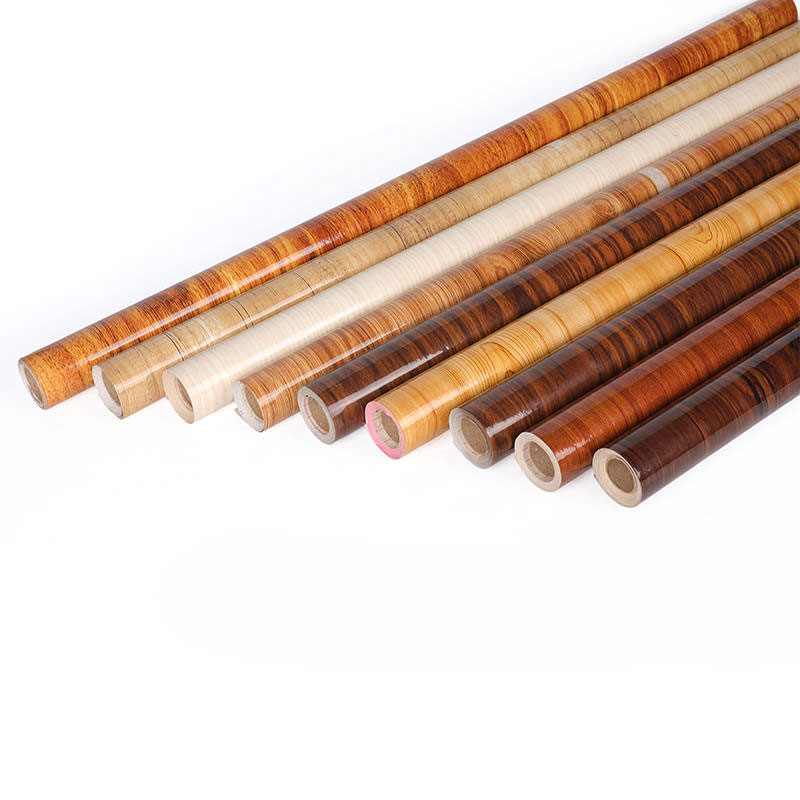
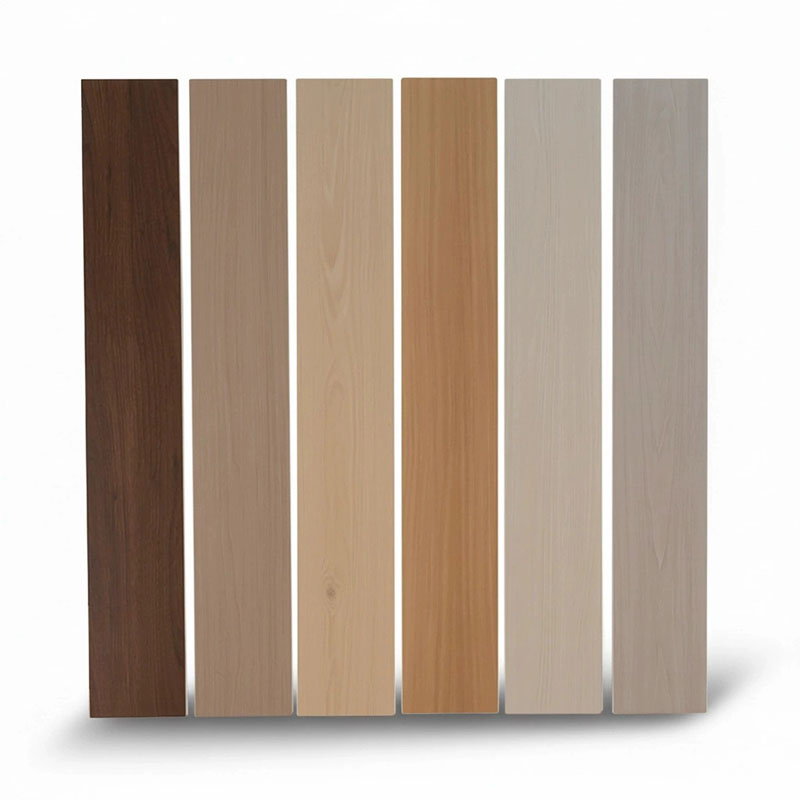
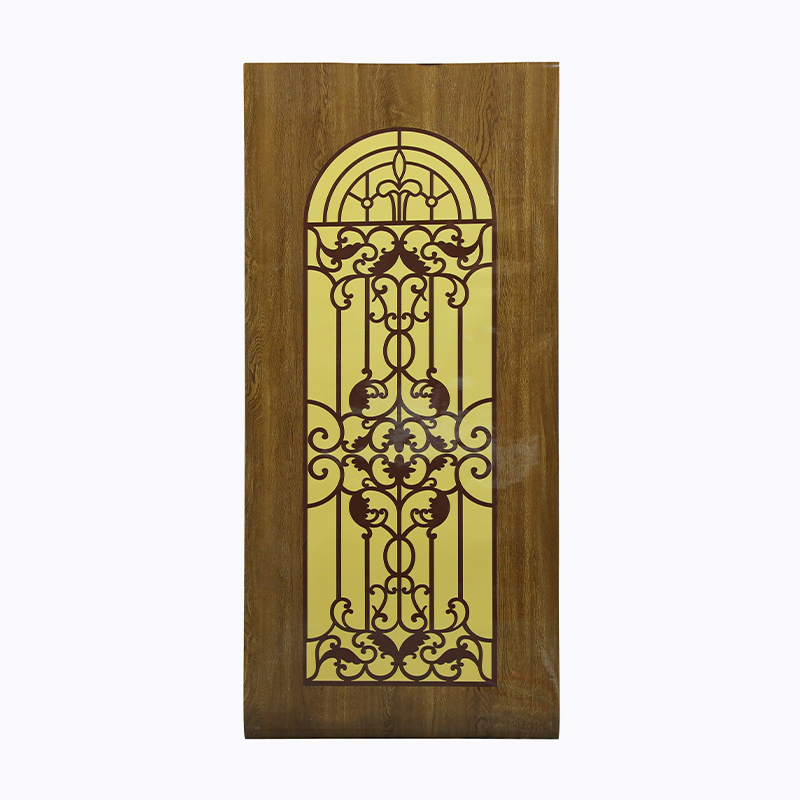
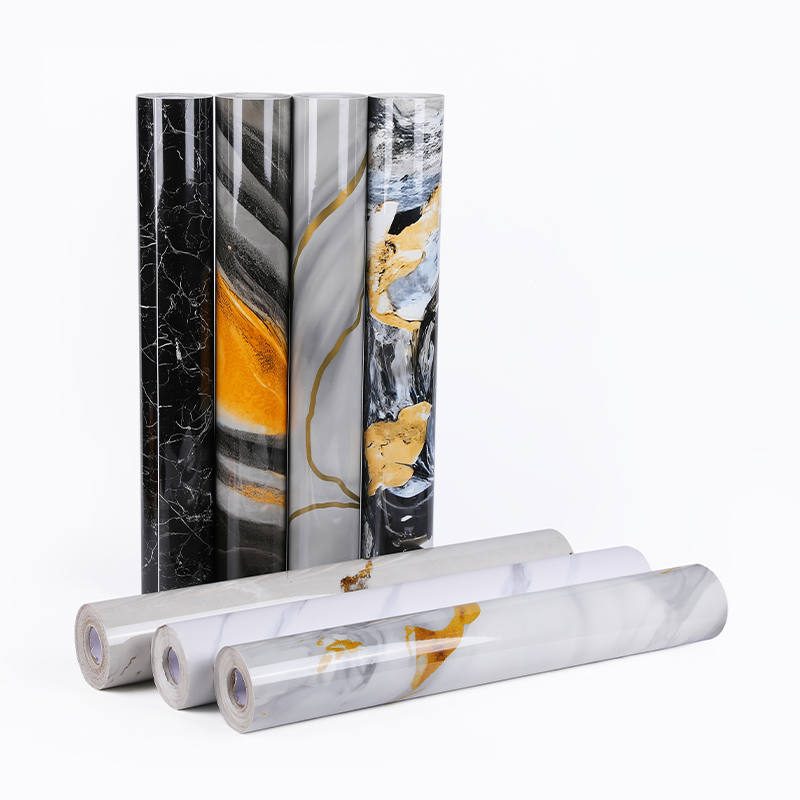
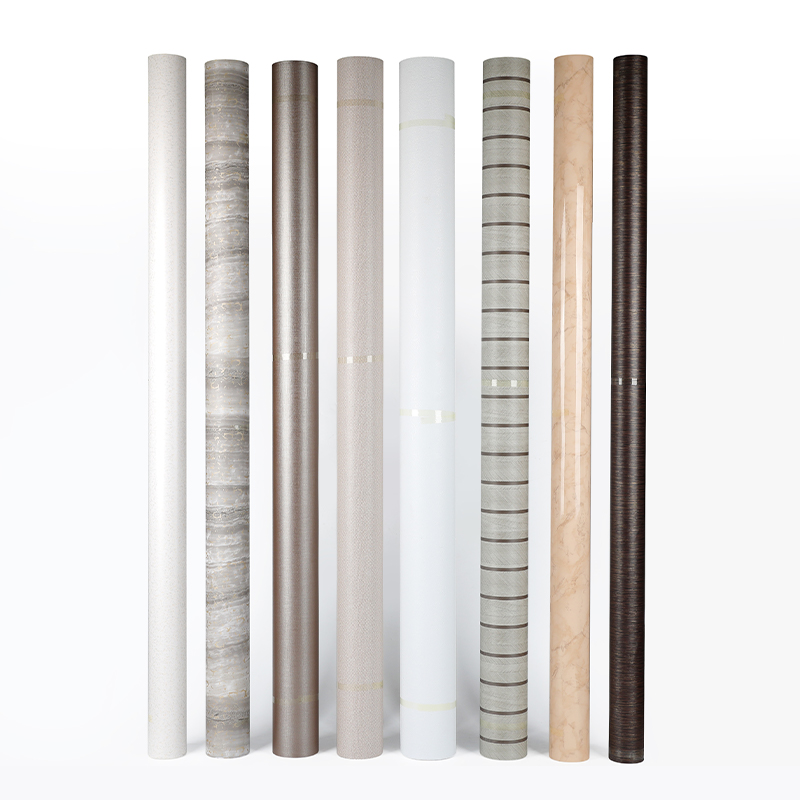
One of the most significant advantages of PVC Decorative Film lies in its design adaptability. Through gravure printing technology, highly detailed woodgrain, marble, metallic, and textile patterns can be reproduced with strong color depth and repeat accuracy. This allows designers to achieve premium aesthetics without relying on natural materials that may be costly or inconsistent in supply.
Embossing processes further enhance realism by synchronizing surface texture with printed visuals. For example, a woodgrain PVC Decorative Film can incorporate tactile grain lines aligned precisely with the visual pattern. This synchronization not only improves authenticity but also diffuses light more naturally, reducing artificial glare in interior lighting environments.
Durability in interior applications depends not only on surface hardness but also on dimensional stability. PVC Decorative Film must resist shrinkage and expansion caused by temperature variation. Modern formulations carefully balance plasticizer content and calendaring tension during production to maintain shrinkage tolerance typically within ±0.3%.
This stability is particularly important when installing large wall panels or continuous cabinet surfaces. If the film expands excessively, seams may separate; if it shrinks, edge lifting can occur. Proper acclimatization—allowing the material to rest at room temperature before installation—helps reduce internal stress and improves long-term performance.
Adhesion quality significantly influences the service life of PVC Decorative Film. Acrylic-based pressure-sensitive adhesives are widely used for interior wall and furniture applications due to their balance of peel strength and aging resistance. For laminated panels or metal substrates, permanent adhesive systems provide stable bonding under daily stress.
Surface preparation remains critical. Dust, oil residues, or uneven textures reduce adhesive contact area. On porous surfaces such as raw wood or drywall, primer application improves bonding reliability. In furniture wrapping, edge rounding reduces tension concentration, minimizing the risk of peeling.
| Substrate Type | Recommended Adhesive | Key Preparation Step |
| Painted Drywall | Removable Acrylic | Ensure full paint curing |
| MDF Board | Permanent Acrylic | Seal porous surface |
| Metal Panel | High-Shear Adhesive | Remove oil residue |
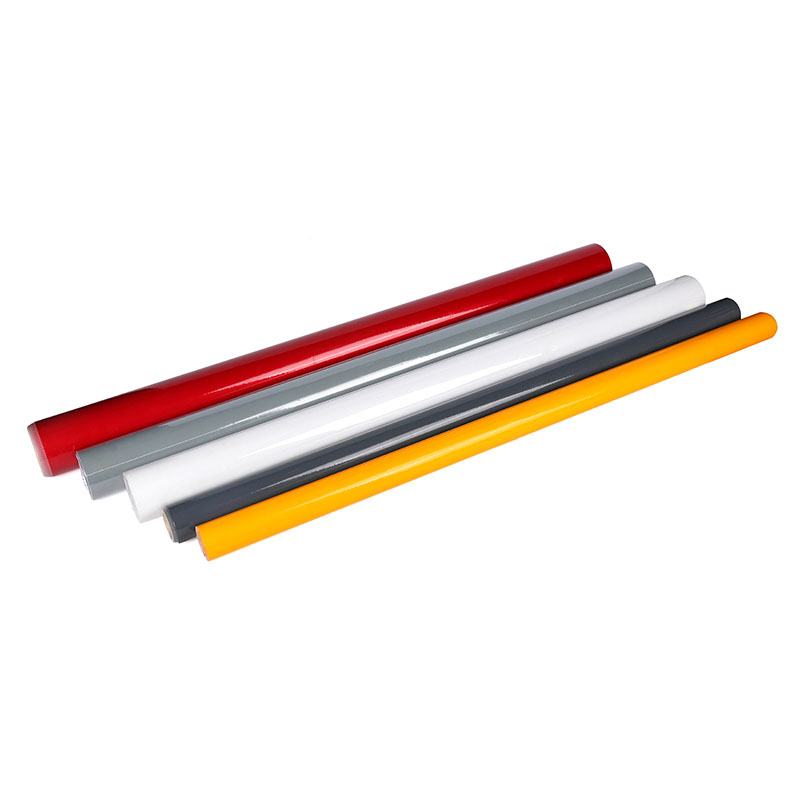
PVC Decorative Film enhances design flexibility not only aesthetically but also economically. Compared to replacing entire panels or installing natural stone veneers, applying decorative film significantly reduces material waste and labor time. Renovation projects benefit from minimal disruption, as existing surfaces can be resurfaced without demolition.
The lightweight nature of PVC Decorative Film reduces transportation and handling costs. Additionally, standardized roll formats simplify logistics planning for large interior projects. For commercial renovations where downtime affects revenue, rapid installation provides measurable operational advantages.
Proper maintenance preserves the durability advantages of PVC Decorative Film. Cleaning should involve neutral detergents and non-abrasive cloths to protect surface coatings. Solvent-based cleaners may degrade printed layers or reduce gloss stability over time. Regular inspection of high-contact edges ensures early detection of mechanical stress.
In high-traffic environments such as hotels or offices, periodic evaluation of environmental factors—humidity levels, sunlight intensity, and cleaning frequency—helps optimize service life. When correctly specified and installed, PVC Decorative Film can maintain structural and visual integrity for many years.
Ultimately, the strength of PVC Decorative Film in interior applications lies in its ability to integrate durability with adaptable design. By combining engineered surface protection, dimensional stability, advanced printing precision, and adhesive compatibility, the material offers a practical solution for modern interior renovation and construction.
Rather than serving merely as a decorative overlay, PVC Decorative Film functions as a performance-oriented surface system. Its technical composition supports resistance to wear, moisture, and light exposure, while its design flexibility enables architects and designers to execute diverse visual concepts efficiently and sustainably.
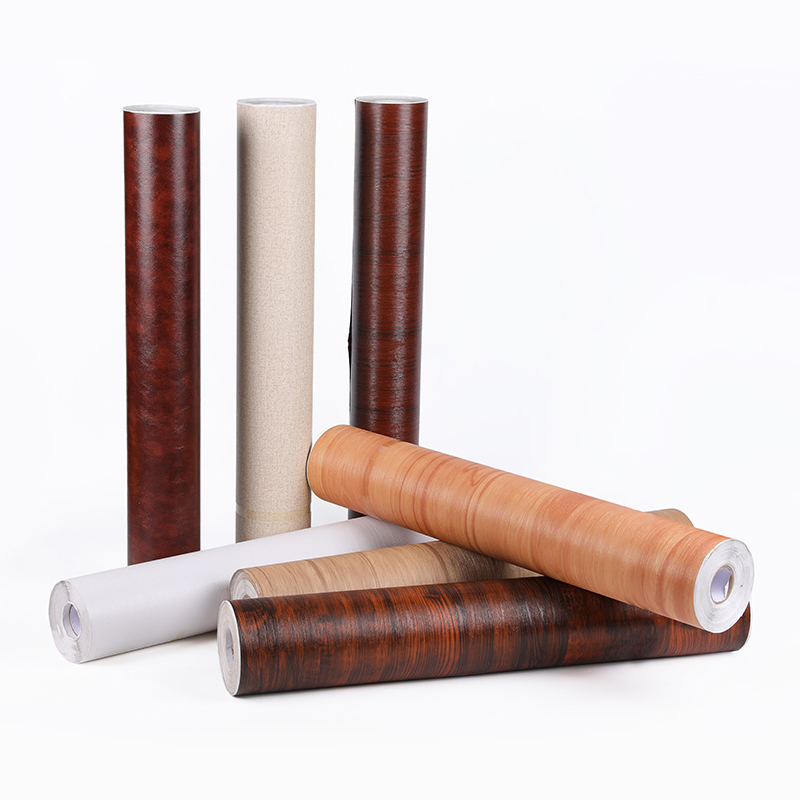

To increase our production capacity, Han Yang has invested in a range of advanced equipment, including gravure printing machines, lamination machines, coating machines, and embossing machines. Architectural Decorative Film Supplier and Decorative Film Factory in China.

 Previous