
 English
 中文简体
中文简体 عربى
عربىNews
Home / News / Industry News / Why Is Reflective Vinyl Roll Becoming Essential for Modern Signage and Branding?
Professional manufacturer of architectural decorative film, Decorative Film Supplier in China

Content
Modern cities, commercial districts, and industrial zones operate around the clock. As activity extends into nighttime hours, the need for high-visibility signage becomes more critical. Reflective material plays a central role in ensuring that signs remain readable under low-light conditions, vehicle headlights, and adverse weather. Businesses, municipalities, and contractors are increasingly turning to reflective vinyl roll solutions to meet these demands without compromising design flexibility.
Unlike conventional printed signage, reflective sheeting incorporates microprismatic or glass bead technology that returns light directly to its source. This retroreflective property dramatically improves visibility, making it ideal for traffic signs, safety warnings, fleet graphics, and branded storefront displays. As regulatory standards tighten and competition for consumer attention grows, reflective solutions are becoming essential rather than optional.
Reflective vinyl roll products are typically composed of a reflective layer bonded to a durable vinyl film and backed with a pressure-sensitive adhesive. The reflective layer may use glass beads embedded in resin or advanced microprismatic structures that provide higher reflectivity and longer service life. Reflective sheeting is the broader term often used for traffic-grade materials designed to meet specific performance standards.
Microprismatic reflective material generally delivers stronger light return and sharper visibility at longer distances, while glass bead systems are cost-effective for general commercial applications. Selecting the right structure depends on viewing distance, lighting conditions, and regulatory requirements.
Reflective sheeting is commonly categorized into engineering grade, high-intensity grade, and diamond grade. Each level offers increasing reflectivity and durability. For branding and advertising, printable reflective vinyl roll options allow businesses to integrate logos, typography, and color schemes while maintaining high visibility.
Brand visibility does not stop at sunset. Retail stores, logistics fleets, construction companies, and event organizers rely on signage that performs 24/7. Reflective material enhances brand recognition by ensuring that logos and messages remain visible in dim or indirect lighting. This continuous exposure strengthens brand recall and improves safety simultaneously.
For fleet graphics, reflective vinyl roll allows companies to transform vehicles into mobile billboards that remain visible at night. In addition to marketing benefits, this approach improves road safety by making vehicles easier to detect. Reflective sheeting therefore serves both commercial and regulatory objectives in a single solution.
When selecting reflective material, consider exposure to UV radiation, temperature fluctuations, humidity, and pollutants. High-quality reflective sheeting typically features UV-resistant top films and weatherproof adhesives to prevent cracking, fading, or delamination. For long-term traffic signage, premium grades may offer service lives exceeding 10 years.
Reflective vinyl roll products are available with permanent, removable, or repositionable adhesives. For metal sign substrates, high-tack permanent adhesives ensure reliable bonding. For temporary promotional graphics, removable adhesives reduce surface damage during replacement.
Modern reflective vinyl roll materials support eco-solvent, solvent, latex, and UV printing. Choosing a compatible reflective material ensures optimal ink adhesion and color vibrancy. Laminating printed graphics with protective overlays can further extend lifespan and prevent abrasion.
| Grade Type | Reflectivity Level | Typical Applications | Estimated Durability |
| Engineering Grade | Standard | Commercial signs, parking signs | 5–7 years |
| High-Intensity Grade | High | Highway signage, fleet markings | 7–10 years |
| Diamond Grade | Very High | Critical traffic control, safety zones | 10+ years |
Proper installation significantly impacts the performance of reflective sheeting. Surfaces must be clean, dry, and free from dust or grease. Applying reflective vinyl roll in recommended temperature ranges prevents adhesive failure. Using application rollers or squeegees ensures even pressure and minimizes air bubbles.
For large-format traffic signs, edge sealing may be recommended to prevent moisture intrusion. Regular inspection and cleaning maintain reflective performance and extend service life.
While reflective material may carry a higher upfront cost compared to non-reflective alternatives, the long-term value is substantial. Increased durability reduces replacement frequency. Enhanced visibility lowers accident risks and potential liability. In branding contexts, continuous nighttime exposure improves marketing return on investment.
Businesses that standardize reflective vinyl roll across signage, fleet graphics, and safety labeling create consistent visual identity while meeting compliance requirements. This integrated approach streamlines procurement and simplifies maintenance planning.
Innovation in reflective sheeting continues to evolve. Advances in microprismatic design are improving angular performance and brightness. Printable reflective material now supports more vibrant color ranges and improved contrast. Some manufacturers are integrating smart elements such as embedded tracking codes or hybrid luminous layers for enhanced functionality.
As urban infrastructure becomes smarter and branding competition intensifies, reflective vinyl roll will remain a core component of effective signage strategies. Its combination of safety, durability, and visual impact positions it as an indispensable material in modern signage and branding.
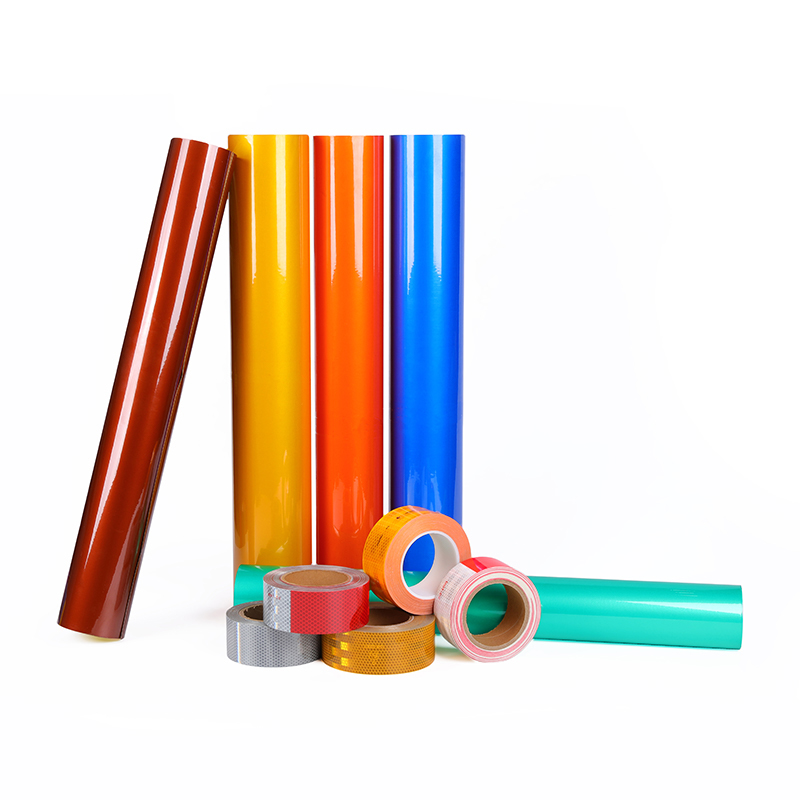
 Wear-Resistant and Waterproof Reflective Advertisement film
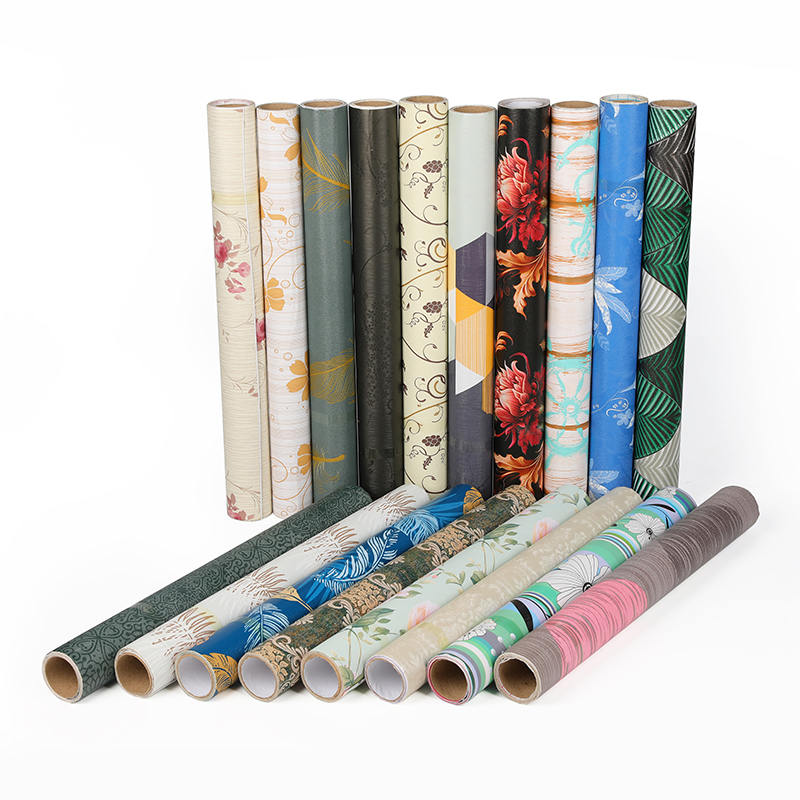 Modern & Practical Printed Adhesive Foil
 Silent and comfortable Snap-in Design SPC Flooring
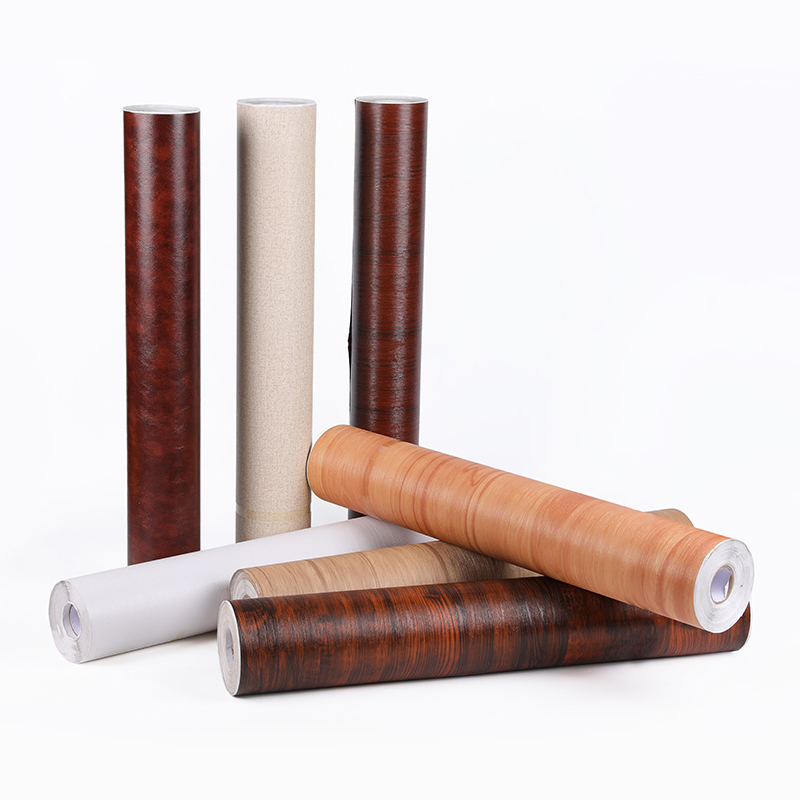 Easy-to-Clean & Highly Practical PVC Film for Furniture
 Easy-Replacement PVC Film for Old Doors
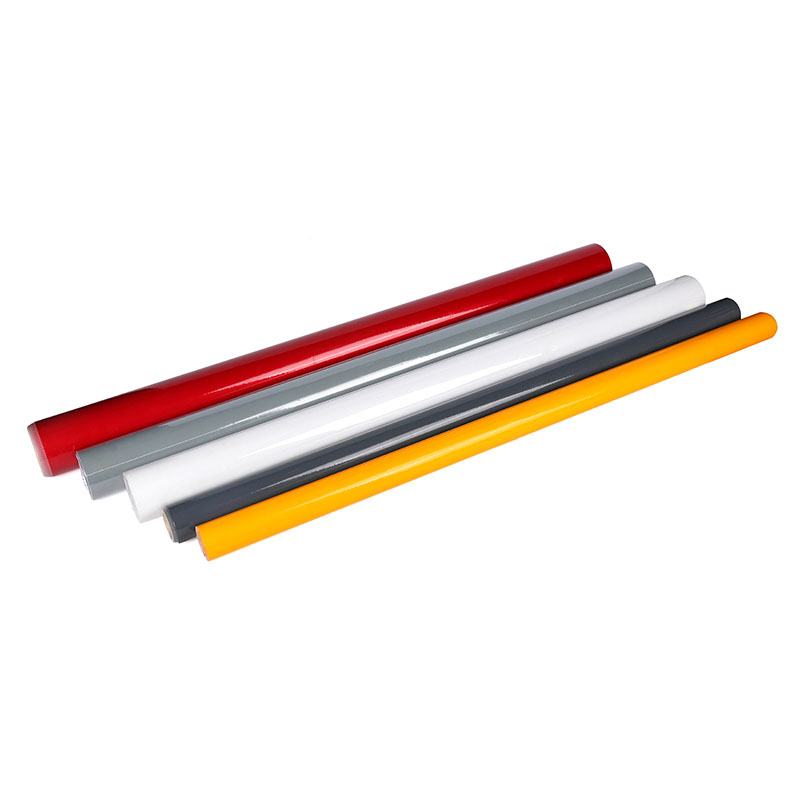 Solid Color PVC Film with High Durability for Smooth Surfaces

To increase our production capacity, Han Yang has invested in a range of advanced equipment, including gravure printing machines, lamination machines, coating machines, and embossing machines. Architectural Decorative Film Supplier and Decorative Film Factory in China.

 Previous