 English
 中文简体
中文简体 عربى
عربى
News
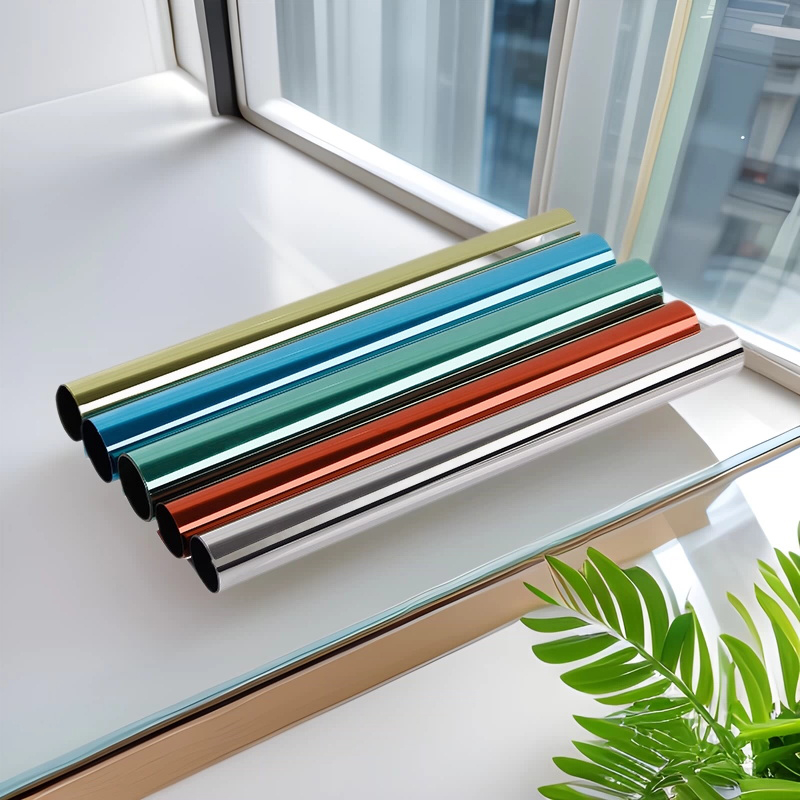
No glue, no residue, no landlord calls. Non-adhesive window film—also called static cling film—clings to clean glass through molecular cohesion rather than chemical adhesive, which means it comes off as cleanly as it goes on. That single advantage has made it the go-to privacy and decorative solution for renters, apartment dwellers, and anyone who wants to change their window look without permanent commitment.
The installation process is genuinely DIY-friendly, but a few specific steps separate a smooth, bubble-free result from a frustrating mess of lifted edges and trapped air. Follow this guide closely, and you will have professional-looking results on your first attempt.
Content
- 1 What You Need Before You Start
- 2 Step 1: Clean the Glass More Thoroughly Than You Think
- 3 Step 2: Measure and Cut the Film
- 4 Step 3: Mix the Application Solution
- 5 Step 4: Wet the Glass and Apply the Film
- 6 Step 5: Squeegee Out the Water and Bubbles
- 7 Step 6: Trim the Edges and Finish
- 8 Common Mistakes and How to Avoid Them
- 9 Removal, Reuse, and When to Replace
What You Need Before You Start
Gather everything before touching the glass. Stopping mid-installation to find a tool is how bubbles and dust contamination happen.
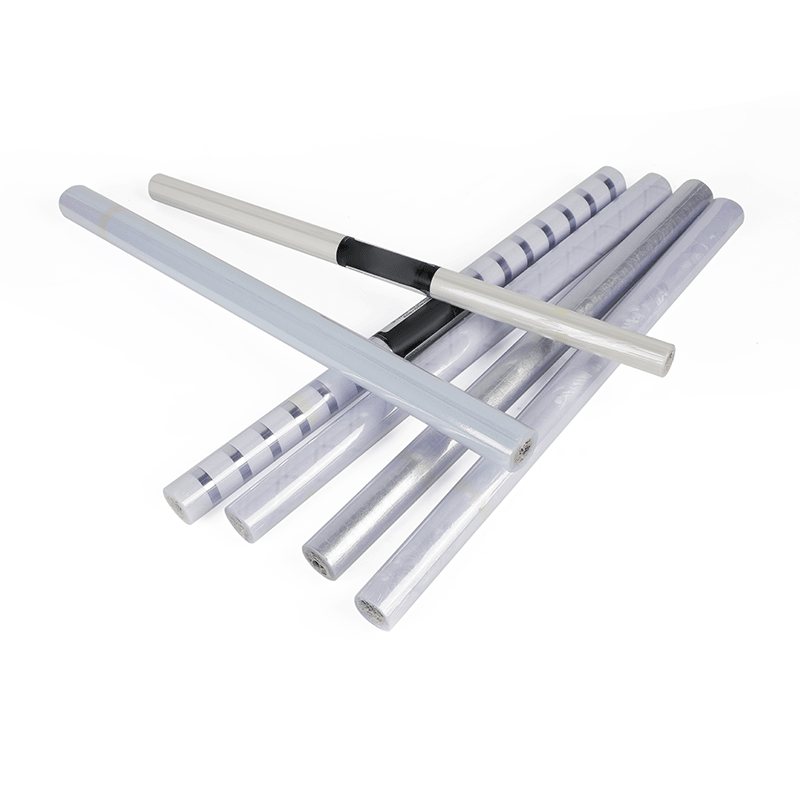
- Non-adhesive window film — measured to your window size, with at least 1–2 cm extra on each edge for trimming
- Spray bottle — filled with the application solution (see Step 3)
- Rubber squeegee — a window squeegee or a credit card wrapped in a soft cloth works for smaller panes
- Utility knife or sharp scissors — for trimming edges cleanly
- Metal ruler or straightedge — for accurate cutting
- Microfiber cloth or lint-free towel — paper towels leave fibers that cause bubbles; avoid them entirely
- Tape measure — for precise glass dimensions before cutting
Optional but helpful: a second person for large windows (anything over 90 cm wide), and a clean flat surface like a table for cutting the film to size.
Step 1: Clean the Glass More Thoroughly Than You Think
This step cannot be over-emphasized. Non-adhesive film relies on direct molecular contact between the film surface and the glass. Any dust, fingerprints, grease, or dried water spots sitting between them will create a bubble that will not disappear on its own—and in some cases, a contamination point that causes the film to lift over time.
Do not use standard household glass cleaners that contain ammonia—they leave a residue that actively prevents the film from clinging. Instead, use a dedicated glass cleaner or a diluted dish soap solution. Wipe the glass with a microfiber cloth, then follow up with a single-edge razor blade held at a low angle to scrape off any remaining grime, paint specks, or calcium deposits. The glass should be completely clear, streak-free, and dry before you move to the next step.
Pay attention to the corners and the very edges of the glass near the frame—these are the spots most often missed during cleaning and the first places film edges tend to lift. Our glue-free static cling glass film is engineered to maximize surface contact on properly prepared glass, delivering a close-fit bond that stays flat and clear over time.
Step 2: Measure and Cut the Film
Measure the glass area—not the window frame, the actual glass. Write down the exact width and height. Then unroll the film on a clean, flat surface and mark your cut lines using a ruler and a soft pencil or painter's tape.
Cut the film approximately 1–2 cm larger than the measured dimensions on all four sides. This overhang gives you alignment tolerance during application and allows for a clean trim once the film is positioned and smoothed. Cutting to exact size before application is one of the most common beginner mistakes—even a millimeter of misalignment leaves a gap at an edge.
Use a utility knife guided along a metal ruler for straight cuts. Scissors work for small pieces but tend to drift on longer runs. Keep the film rolled or flat after cutting—do not fold it, as fold creases become permanent and show up as visible lines on the finished installation.
Step 3: Mix the Application Solution
The application solution is what makes non-adhesive window film installable. It temporarily reduces the surface tension between the film and the glass, letting you slide and position the film freely before it locks into place. Without it, the film grabs immediately on contact and traps air wherever it touches first.
Mix 1 teaspoon of baby shampoo (not regular dish soap or ammonia-based cleaner) with 1 liter of distilled or bottled water. The mild pH of baby shampoo prevents any chemical interaction with the film material. Tap water can be used in a pinch, but it contains minerals that may leave deposits visible as white spots under the film after drying. Fill your spray bottle and shake gently.
Some films come with a pre-mixed application solution—use that if provided, as it will be formulated for the specific film material.
Step 4: Wet the Glass and Apply the Film
Generously spray the entire glass surface with your solution until it is thoroughly wet and slightly running. Then spray the back (cling) side of the cut film as well. More water is always better at this stage—excess water gets squeegeed out; too little water means the film grabs before you can position it.
Peel the protective liner from the film. If the liner is difficult to separate, press two pieces of clear tape to opposite faces of a corner and pull them apart—this breaks the seal without touching the cling surface with your fingers.
Pick up the film by the top two corners, keeping it level. Position the top edge of the film at the top of the glass with the overhang distributed on each side. Lay the film onto the wet glass surface from the top down, letting it fall gently rather than pressing it down all at once. The wet surface allows the film to float and slide, so you can shift it left or right to center it exactly before committing. Do not worry about bubbles at this stage—that is what the next step handles.
For windows wider than about 90 cm, have a second person hold the opposite corners while you position the film. Trying to control a large panel of wet film alone often results in it folding onto itself.
Step 5: Squeegee Out the Water and Bubbles
This is the most important technique step. Start the squeegee at the center of the film and push outward toward the edges in overlapping strokes—never squeegee from one side straight across, as this pushes all the water and air to one edge and traps it there.
Apply firm, even pressure. Work in overlapping 45-degree angled strokes radiating from the center to the perimeter, following the same pattern on all four quadrants. You will see water running out from under the edges—this is correct. Keep a dry microfiber cloth nearby to absorb the water pooling at the frame.
Do not panic if small bubbles remain after squeegeeing—any bubble smaller than about 5 mm will disappear on its own within 24–48 hours as the remaining water evaporates and the film draws down against the glass. Larger bubbles indicate a contamination point or an area that needs more squeegeeing. For large bubbles, lift the nearest edge of the film, re-spray, and re-squeegee that section.
To protect the film surface from squeegee scratches, place the original backing paper or a sheet of thin plastic over the film surface while squeegeeing—this distributes the pressure evenly and keeps the pattern intact.
Step 6: Trim the Edges and Finish
Once the film is smoothed and positioned correctly, use a utility knife against a metal ruler to trim the overhanging edges. Hold the blade at a consistent low angle and cut in one smooth motion rather than sawing back and forth. Leave a very small gap—about 1–2 mm—between the trim line and the frame. A film trimmed flush against the frame tends to wick moisture from the sealant and lift at the edges; a slight gap prevents this.
After trimming, do a final light squeegee pass along all four edges to press them down firmly. Then dry the frame and glass edges with a clean microfiber cloth. Avoid touching, cleaning, or pressing the film for at least 48 hours to allow the remaining application water to fully evaporate and the film to achieve its final adhesion.
Common Mistakes and How to Avoid Them
- Applying in direct sunlight: Sunlight heats the glass and causes the application solution to evaporate too quickly, making the film grab before it can be positioned. Install early morning or late evening, or choose a shaded window as your first attempt. The ideal temperature range for installation is 10–32°C.
- Cutting to exact size before applying: Always cut 1–2 cm larger and trim after. Exact pre-cut film leaves no room for alignment adjustment.
- Using paper towels for cleaning: Paper towel fibers remain on the glass and create tiny bubble points. Use microfiber cloths exclusively.
- Not enough application solution: If the film grabs immediately on contact and cannot be repositioned, the glass was not wet enough. Peel back, re-spray heavily, and try again.
- Squeegeeing from edge to edge: Always start from the center and work outward. Edge-to-edge squeegeeing traps air and water in the interior of the film.
- Installing over textured or frosted glass: Non-adhesive static cling film requires a perfectly smooth, non-porous glass surface to achieve full contact. It will not adhere properly to textured, etched, or frosted glass—an adhesive glass decorative film with patterned designs is a better choice for those surfaces.
Removal, Reuse, and When to Replace
One of the most practical advantages of non-adhesive window film is its clean removal. To remove, simply lift a corner with a fingernail or a plastic tool (avoid metal edges that can scratch the glass) and peel the film away slowly. No residue, no solvent required, no damage to the glass or frame.
Removed film can be reused if stored correctly: roll it loosely with the cling side facing inward, or store it flat between sheets of the original backing paper. Avoid folding. Clean any dust from the cling surface by rinsing under lukewarm water and allowing to air-dry before reapplying.
Signs it is time to replace the film: persistent lifting at edges that re-squeegeeing cannot fix, visible yellowing or haziness, or a loss of optical clarity. Non-adhesive films typically last 2–5 years depending on UV exposure and cleaning frequency. For south-facing or west-facing windows with high sun exposure, our building thermal insulation heat-resistant window film provides a longer-lasting solution with enhanced UV blocking and solar heat rejection. For walls and non-glass interior surfaces, our PVC decorative film range delivers durable, easy-clean surface coverage with a wide choice of patterns and finishes.
 Previous