 English
 中文简体
中文简体 عربى
عربى
News
Content
The Versatility of PVC Decorative Film
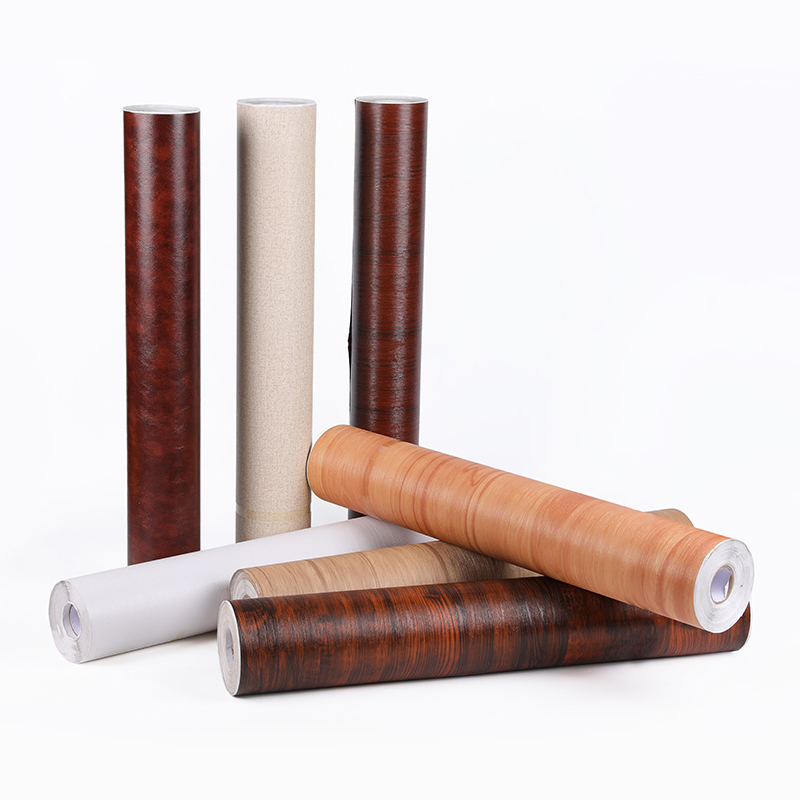
PVC decorative film has revolutionized interior design and furniture manufacturing by offering a cost-effective, durable, and aesthetically versatile alternative to natural materials like wood, stone, and leather. This thin, flexible layer of polyvinyl chloride is engineered to adhere to various substrates, providing a high-quality finish that resists wear and moisture.
Unlike traditional veneers or laminates that require complex pressing processes, PVC films can be applied using vacuum forming, wrapping, or self-adhesive methods. This flexibility allows for rapid renovation of existing surfaces and efficient mass production of furniture, making it a preferred choice for both DIY enthusiasts and industrial manufacturers.
Key Advantages Over Traditional Materials
Choosing PVC decorative film offers several practical benefits compared to solid wood or high-pressure laminates:
- Cost Efficiency: PVC film is significantly cheaper than real wood veneer, often reducing material costs by 40–60% while maintaining a similar visual appeal.
- Moisture Resistance: Unlike wood, PVC is impervious to water, making it ideal for kitchen cabinets, bathroom vanities, and outdoor furniture where humidity is a concern.
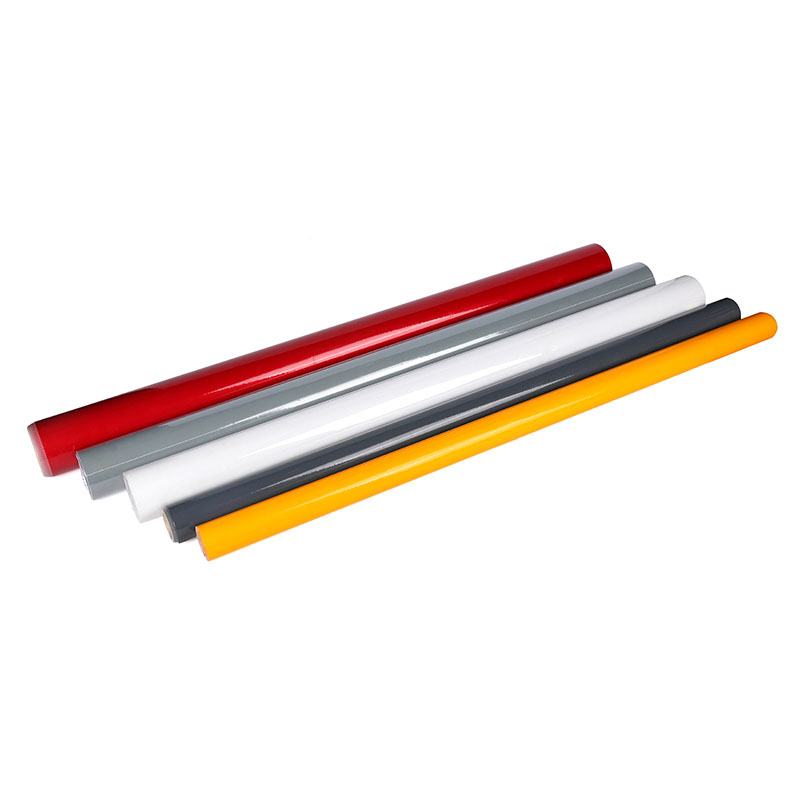
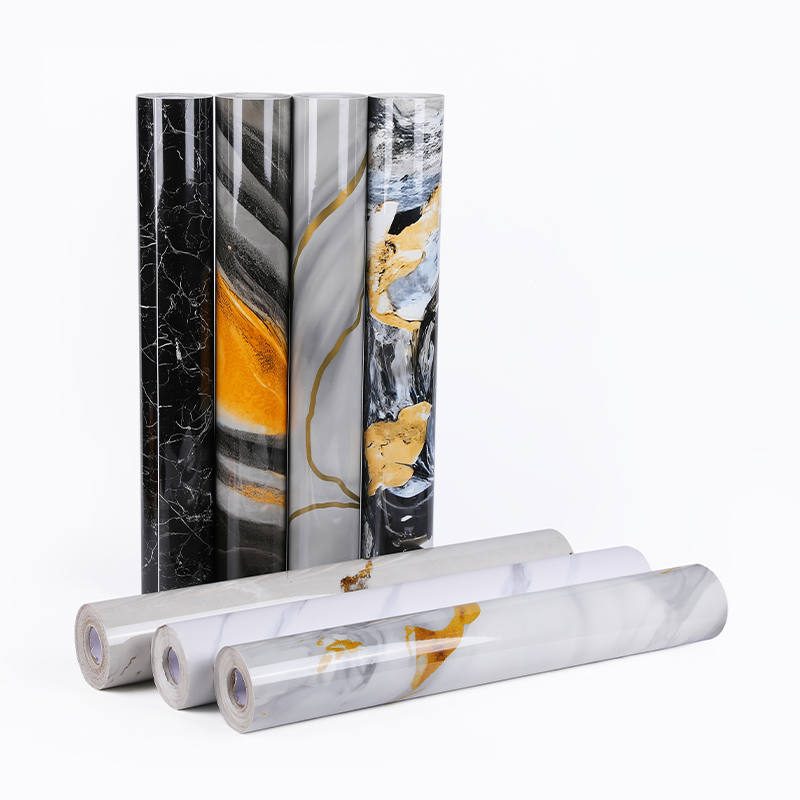
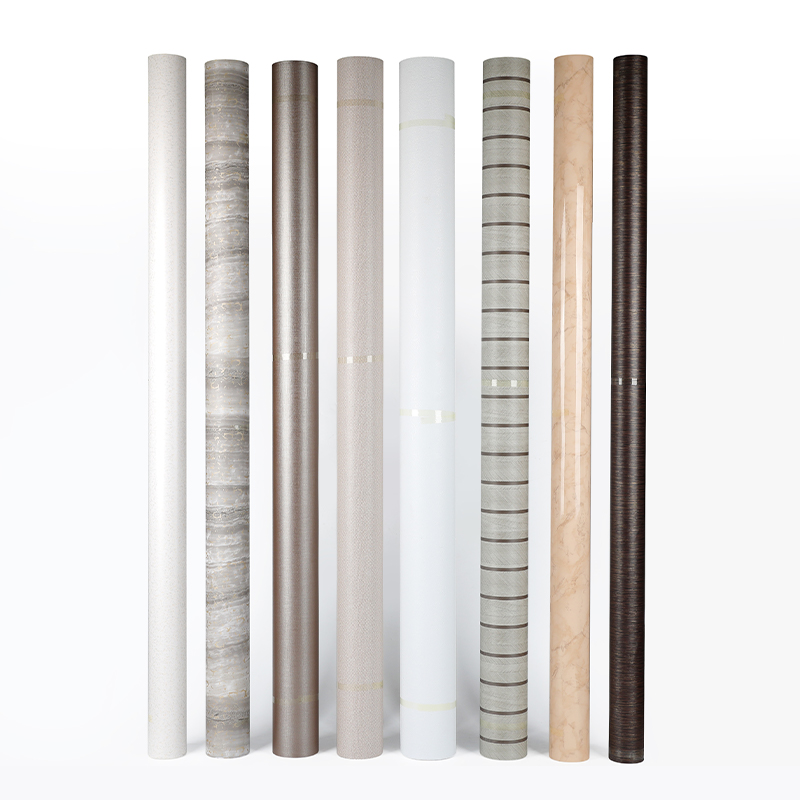
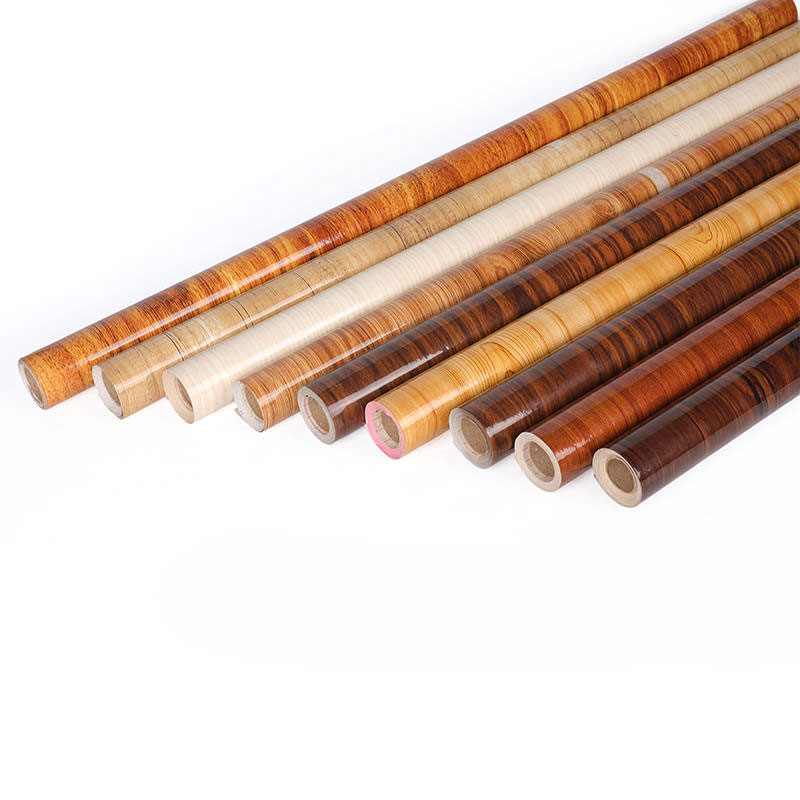
- Design Variety: Advanced printing technologies allow for an endless range of colors, patterns, and textures, including realistic wood grains, marble, concrete, and abstract designs.
- Durability: High-quality PVC films are scratch-resistant, UV-stable, and easy to clean, ensuring long-lasting performance in high-traffic areas.
Common Applications in Interior Design
PVC decorative film is used across a wide spectrum of residential and commercial projects:
Furniture Manufacturing
It is extensively used to wrap particleboard, MDF, and plywood cores for tables, chairs, wardrobes, and kitchen cabinets. The vacuum forming process allows the film to conform to complex shapes and edges, providing a seamless, edge-banded look without separate strips.
Wall Cladding and Paneling
Large-format PVC films are applied to wall panels to create feature walls that mimic stone or brick. This method is faster and lighter than installing real masonry, reducing structural load and installation time.
Door Skins and Profiles
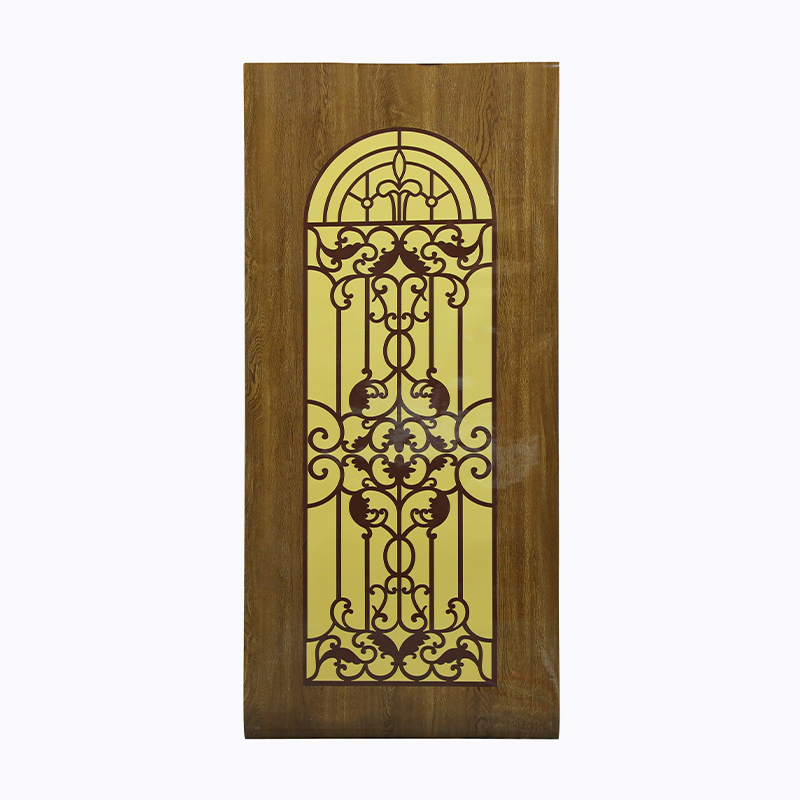
Interior doors often use PVC film overlays to provide a durable, easy-to-clean surface that resists scuffs and fingerprints, ideal for households with children or pets.
Comparison: PVC Film vs. Other Finishes
| Feature | PVC Decorative Film | Wood Veneer | Melamine Paper |
|---|---|---|---|
| Water Resistance | Excellent | Poor (Requires Sealing) | Good |
| Formability | High (Vacuum Forming) | Low (Flat Surfaces) | None (Flat Only) |
| Cost | Low to Moderate | High | Very Low |
| Durability | High (Scratch Resistant) | Moderate | Moderate |
Installation Techniques
Proper application is crucial for a professional finish. The method depends on the type of film and substrate:
- Surface Preparation: Ensure the substrate (MDF, wood, metal) is clean, dry, and smooth. Sand any rough spots and remove dust with a tack cloth.
- Adhesive Application: For non-self-adhesive films, apply a contact adhesive evenly to both the substrate and the back of the film. Allow it to become tacky before joining.
- Wrapping and Stretching: When applying to edges or curved surfaces, gently stretch the film to conform to the shape. Use a heat gun on low setting to activate the adhesive and improve flexibility if needed.
- Trimming and Sealing: Use a sharp utility knife to trim excess film. Press edges firmly to ensure a strong bond and prevent peeling over time.
Maintenance and Care
PVC decorative film is low-maintenance, but proper care extends its lifespan:
- Clean regularly with a soft cloth dampened with mild soapy water. Avoid abrasive scrubbers that can scratch the surface.
- Wipe up spills immediately, especially those containing acids or strong solvents, which may degrade the adhesive or print layer.
- Avoid placing hot objects directly on the film, as extreme heat can cause warping or adhesive failure.
- For outdoor applications, choose UV-stabilized films to prevent fading and brittleness caused by prolonged sun exposure.
Conclusion
PVC decorative film offers a practical, stylish, and economical solution for surfacing needs in modern interiors. Its ability to mimic high-end materials while providing superior moisture resistance and durability makes it an indispensable tool for designers and homeowners alike.
By understanding the different types, applications, and installation methods, you can leverage PVC film to transform furniture and spaces efficiently. Whether renovating a kitchen or manufacturing custom furniture, this versatile material delivers consistent quality and aesthetic appeal.
 Previous