 English
 中文简体
中文简体 عربى
عربى
News
Content
- 1 A $5 Billion Market Built on One Thin Layer
- 2 What Laminating Adhesives Actually Do
- 3 Three Technologies, Three Different Tradeoffs
- 4 Where Laminating Adhesives Show Up in Everyday Products
- 5 The Sustainability Shift Is Changing Adhesive Specs
- 6 Surface Films That Rely on Adhesive Performance to Deliver
A $5 Billion Market Built on One Thin Layer
Strip away the branding from a food pouch, a furniture wrap, or a building window film, and what holds the structure together is rarely discussed but always essential: the laminating adhesive. That thin bonding layer—measured in microns—is why a multi-substrate laminate stays intact under heat, moisture, and mechanical stress. And the industry built around it is growing fast.
According to market research data on global laminating adhesives demand, the sector was valued at USD 3.6 billion in 2022 and is projected to reach USD 5.1 billion by 2028, expanding at a compound annual growth rate of 5.8%. Flexible packaging leads consumption, but decorative surface films, reflective materials, and specialty laminates are all contributing to the upward trajectory. The driving forces are consistent: rising demand for durable multi-layer products, stricter performance expectations from end users, and a regulatory environment pushing formulators toward cleaner chemistry.
For manufacturers and specifiers working with laminated surface materials, understanding what separates adhesive technologies—and where each one performs best—has become a practical selection skill, not just background knowledge.
What Laminating Adhesives Actually Do
A laminating adhesive's job is deceptively simple: bond two dissimilar substrates so permanently that the interface becomes the weakest point only under extreme conditions. In practice, achieving that requires the adhesive to wet the surface of both substrates completely, penetrate micro-surface irregularities, and then cure into a film with the right balance of stiffness and elongation.
The substrates matter enormously. Bonding PET film to aluminum foil demands different chemistry than bonding PVC to a textile backing or glass to a decorative polymer film. Surface energy, porosity, and thermal expansion coefficients all influence whether a laminate cohesively bonds or eventually delaminates under stress. This is why adhesive selection is always substrate-specific—a formulation that performs perfectly on one film may fail on another with a slightly different surface treatment.
Curing mechanism is the other key variable. Solvent-based adhesives cure as the carrier evaporates. Solventless systems rely on chemical crosslinking between two reactive components. Water-based adhesives dry as water evaporates and then crosslink. Each pathway affects open time, line speed, bond development rate, and the final mechanical properties of the laminated structure. For a broader look at how material science shapes decorative film performance, see how PVC decorative film enhances durability and design flexibility.
Three Technologies, Three Different Tradeoffs
No single adhesive chemistry dominates every application. The industry has converged on three primary platforms, each with a distinct performance and process profile.
Solvent-based polyurethane adhesives remain the benchmark for high-performance laminations. They deliver excellent bond strength, broad chemical resistance, and reliable adhesion across a wide range of substrates including metallized films, foil, and coated papers. The tradeoff is process complexity: solvent recovery systems are required, drying tunnels consume energy, and regulatory compliance around VOC emissions adds cost. These are still the default choice for demanding applications—retort packaging, high-temperature laminates, and substrates with challenging surface chemistry.
Solventless two-component systems have taken significant market share in packaging and decorative films over the past decade. With no solvent to remove, they run faster, require less energy, and eliminate solvent-residue concerns entirely. The reactive isocyanate and polyol components are metered and mixed at the coater head, then cured at room temperature or with mild heat. Bond strength development is slightly slower than solvent-based systems, but for most decorative and protective film applications the final performance is equivalent.
Water-based adhesives are the fastest-growing segment, driven primarily by environmental regulation. VOC content is near zero, cleanup is straightforward, and food-contact safety is significantly easier to demonstrate. The limitation is moisture sensitivity during the drying phase and reduced performance on low-surface-energy substrates without primer. As formulation technology improves, the performance gap with solvent-based systems is narrowing.
| Technology | Bond Strength | Line Speed | VOC Emissions | Best-Fit Applications |
|---|---|---|---|---|
| Solvent-Based PU | Very High | Moderate | High (requires recovery) | Retort, foil laminates, high-temp films |
| Solventless 2K | High | High | None | Decorative films, flexible packaging, PVC laminates |
| Water-Based | Moderate–High | Moderate | Very Low | Sustainable packaging, paper laminates, light-duty films |
Where Laminating Adhesives Show Up in Everyday Products
The most visible applications are in packaging, but laminating adhesives are equally foundational to the decorative and functional surface film industry. Every laminated surface product—from furniture wraps to window films to reflective sheeting—depends on a bonding layer to hold its substrate stack together through installation, service life, and exposure.
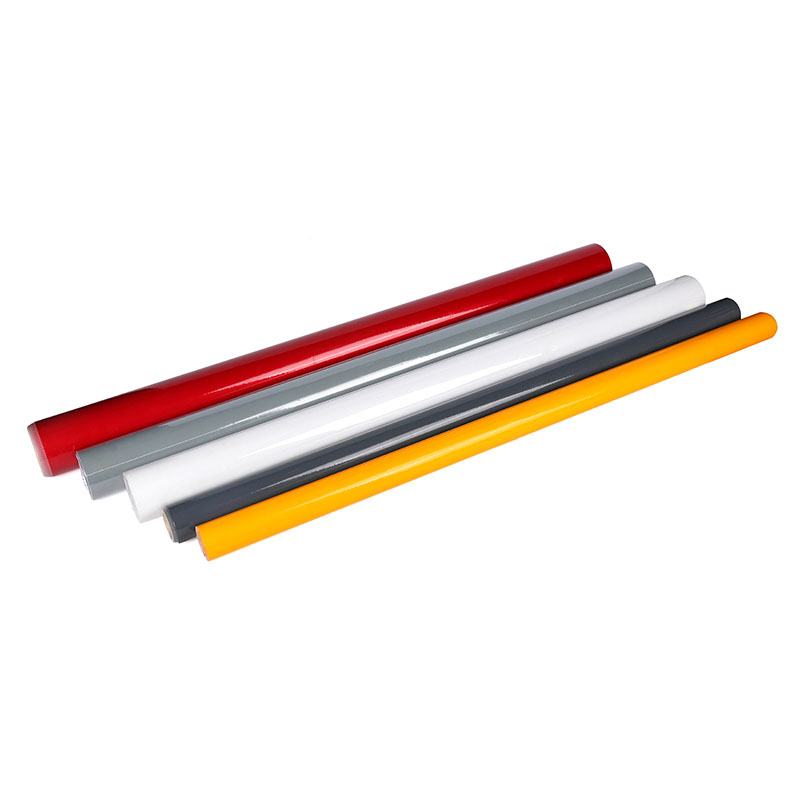
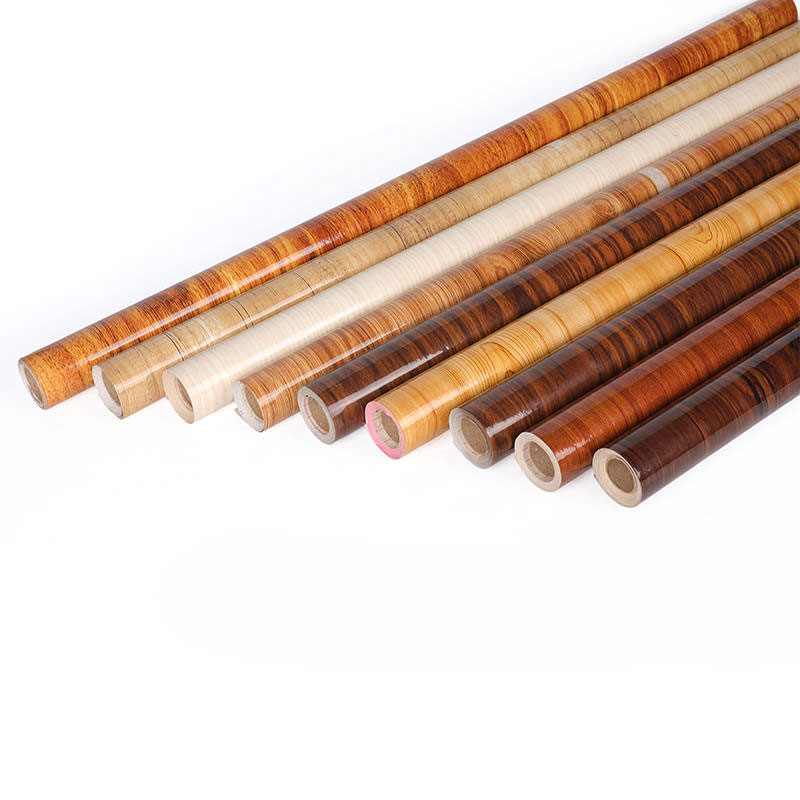
Decorative interior films are perhaps the most design-forward application. PVC decorative films engineered for interior surfaces typically consist of a printed PVC face layer laminated to a backing with a pressure-sensitive or thermal adhesive system. The adhesive must maintain bond integrity through temperature cycling, UV exposure, and the mechanical stress of application over curved or textured substrates.
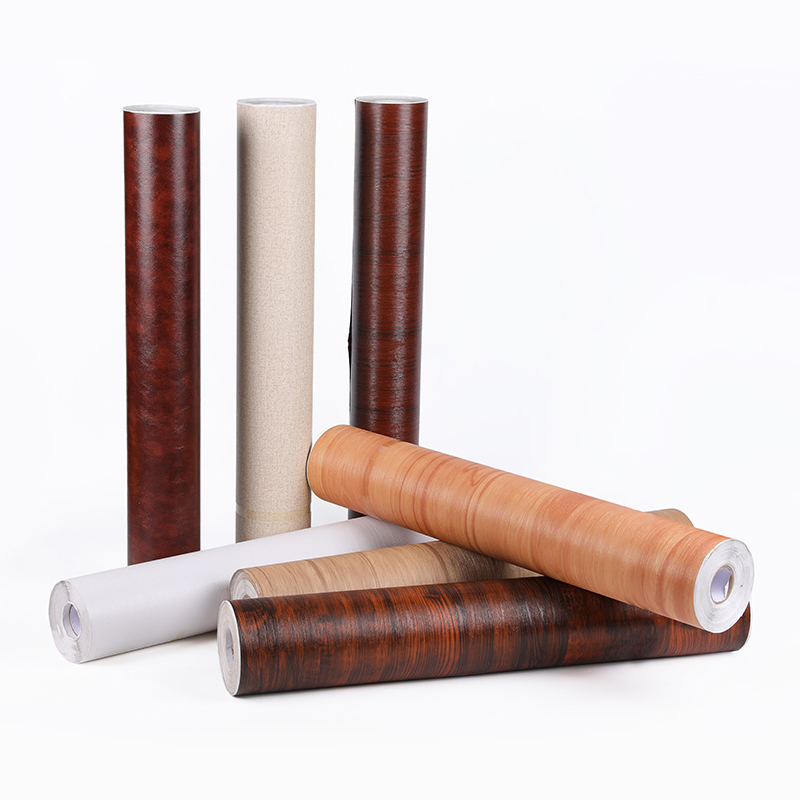
Self-adhesive foils add another layer of complexity: the adhesive must bond to the film during manufacture, release cleanly from the liner, and then form a permanent or repositionable bond to the final surface. Self-adhesive foil products for walls and furniture rely on precisely engineered acrylic or rubber-based pressure-sensitive adhesive layers that perform consistently across substrates from drywall to melamine.
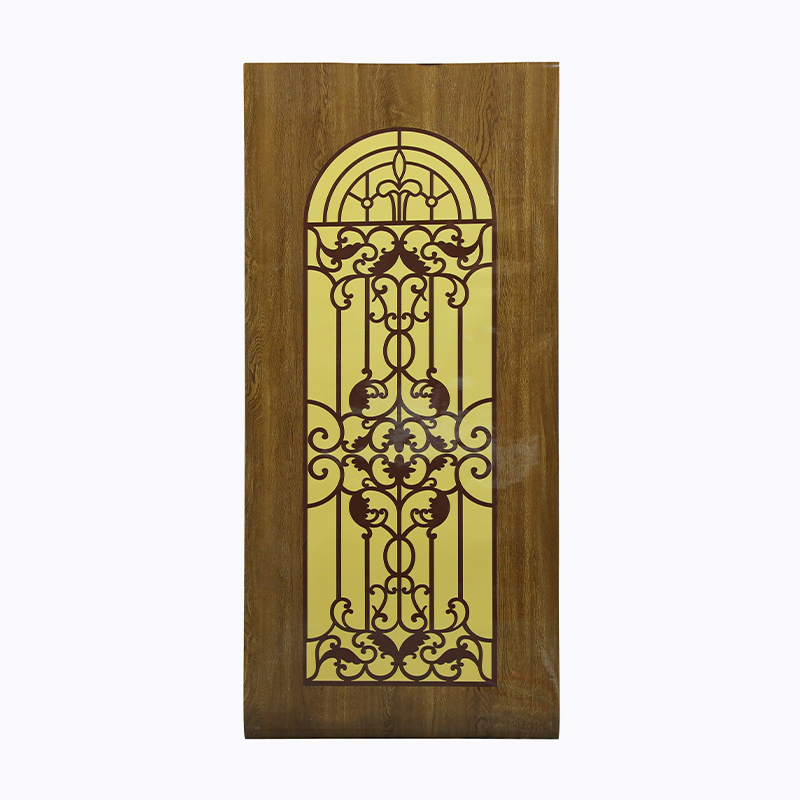
Glass films require optical clarity and long-term adhesion to a substrate with virtually no porosity. The glass adhesive films with decorative patterns used in architectural glazing demand adhesives with high UV stability and resistance to moisture infiltration at the film edge—failure at either point causes yellowing or delamination over time.
Heat-resistant films push adhesive performance to its thermal limits. A thermal insulation building heat-resistant film must maintain structural integrity at elevated surface temperatures without the adhesive softening, migrating, or losing tack. Crosslinked polyurethane systems are typically specified here for exactly that reason.
Reflective materials layer retroreflective glass beads or microprismatic elements between a face film and a carrier, with adhesive systems holding each interface in precise registration. High-visibility reflective sheeting and advertisement film applications demand zero delamination in outdoor environments spanning extreme temperature ranges and prolonged UV exposure.
The Sustainability Shift Is Changing Adhesive Specs
Regulatory pressure on laminating adhesives is accelerating, and the direction is unambiguous. REACH in Europe, EPA frameworks in North America, and equivalent regulations in key Asian manufacturing markets are all restricting solvent emissions, limiting specific isocyanate compounds, and tightening migration limits for food-contact applications. The practical effect: solvent-based adhesive lines increasingly require add-on abatement equipment or face output restrictions.
The market response has been a structured migration toward solventless and water-based technologies wherever performance requirements allow. Water-based laminating adhesives now represent the fastest-growing segment globally, with acrylic and maleic resin systems gaining ground in applications previously dominated by solvent-borne polyurethane. For decorative film producers, this matters because downstream customers—furniture manufacturers, building contractors, and automotive interior suppliers—are under their own sustainability reporting obligations and increasingly prefer supply chains that can demonstrate low-VOC material provenance.
Primary aromatic amines (PAAs), which can migrate from certain polyurethane adhesive systems into packaged food, have also come under stricter scrutiny. For non-food decorative film applications the risk is lower, but the attention regulators have paid to PAA migration has accelerated the industry-wide review of adhesive chemistry across all laminate types.
Surface Films That Rely on Adhesive Performance to Deliver
A decorative film is only as good as the adhesive system that holds it together. Hyang's surface material product range is built on exactly this principle—each product category depends on laminating adhesive technology to deliver the service life and aesthetic consistency that specifiers and end users expect.
The easy-to-clean PVC film designed for furniture surfaces illustrates the point well: the surface treatment that enables soil release and wipe-clean performance is laminated to the film substrate, meaning the adhesive interface must survive repeated cleaning cycles, chemical exposure from household products, and the mechanical stress of daily contact without delaminating or blistering.
Flooring laminates represent one of the most mechanically demanding adhesive applications in the decorative surface category. Vinyl flooring solutions for residential and commercial use must withstand compressive loads, point loading from furniture feet, and the dimensional movement of the substrate layer as temperature and humidity change. The adhesive layers within the flooring construction absorb and distribute these stresses—a performance requirement that goes well beyond simple bonding.
As the laminating adhesives industry moves toward cleaner chemistry and higher-performance formulations, the surface film products built on that foundation become more durable, more specification-friendly, and more suitable for the demanding environments where decorative and functional laminates are increasingly specified.
 Previous