 English
 中文简体
中文简体 عربى
عربى
News
Not all adhesives work the same way. Pressure-sensitive adhesives bond on contact. Reactive adhesives cure through chemical processes. Heat activated adhesives do neither — they sit inert at room temperature and only become adhesive when raised to a specific temperature threshold. This controlled activation makes them uniquely valuable in packaging lines, decorative film applications, and anywhere that adhesive needs to be applied in advance and bonded only when the operator is ready. Understanding how they work, what forms they take, and where they outperform alternatives is the starting point for selecting the right adhesive for any bonding or sealing application.
Content
- 1 What Is a Heat Activated Adhesive?
- 2 How Heat Activated Adhesives Work
- 3 Heat Activated Adhesive vs Pressure-Sensitive Adhesive
- 4 Types of Heat Activated Adhesives
- 5 Packaging Adhesive Applications
- 6 Heat Activated Adhesives in Decorative Film Applications
- 7 When Adhesive-Free Bonding Is the Better Choice
- 8 Key Selection Criteria for Packaging and Film Adhesives
What Is a Heat Activated Adhesive?
A heat activated adhesive is a bonding material that has no tack — no stickiness — at ambient temperature. When heated to its activation temperature, the adhesive softens, flows into the surface texture of the substrate, and becomes capable of forming a bond. As it cools, it hardens and the bond sets. Until heat is applied, the adhesive sits dormant, which means it can be pre-applied to a substrate, stored, handled, and transported without bonding prematurely.
The activation temperature varies by formulation and is typically in the range of 90°C to 150°C (194°F to 302°F) for most packaging and film applications, though specialty formulations exist for both lower and higher temperature ranges. The specific activation point is engineered into the adhesive chemistry and must match the heat source and substrate being used — an adhesive that activates too easily will bond during storage; one that requires too much heat may damage the substrate before bonding occurs.
This temperature-controlled dormancy is the defining characteristic that makes heat activated adhesives different from every other adhesive category. They offer a level of processing control that pressure-sensitive and reactive adhesives cannot match.
How Heat Activated Adhesives Work
The bonding process unfolds in two stages. In the first stage, the adhesive is heated above its activation temperature by a heat press, heated roller, infrared source, or other controlled heat application. At this point, the adhesive transitions from a solid or semi-solid state into a flowable, tacky material. In this activated state, it can wet out the surface of the substrate — flowing into microscopic pores, surface irregularities, and texture features — creating the mechanical interlocking and molecular contact necessary for adhesion.
In the second stage, the heat source is removed and the adhesive cools. As it solidifies, it locks into the surface texture it has penetrated, forming the final bond. The strength of this bond is typically higher and more durable than pressure-sensitive alternatives because the adhesive has physically integrated with the substrate surface rather than simply resting on top of it.
The chemistry behind the activation falls into two categories with very different performance implications. Thermoplastic heat activated adhesives can be softened and re-solidified repeatedly — heated to bond, reheated to release or reposition. This makes them suitable for applications where reworkability or repositionability is needed. Thermoset heat activated adhesives undergo an irreversible chemical crosslinking reaction when heated. Once bonded and cooled, they cannot be reflowed — the bond is permanent and typically more resistant to temperature, chemicals, and mechanical stress than thermoplastic alternatives. For permanent packaging seals and tamper-evident applications, thermoset formulations are the appropriate choice.
Heat Activated Adhesive vs Pressure-Sensitive Adhesive
Pressure-sensitive adhesives (PSAs) are the most familiar adhesive format — they are permanently tacky at room temperature and bond on contact with light pressure. They are the adhesive behind standard tapes, labels, and most removable stickers. Heat activated adhesives are fundamentally different in behavior, strengths, and appropriate applications:
| Characteristic | Heat Activated Adhesive | Pressure-Sensitive Adhesive (PSA) |
|---|---|---|
| Room temperature tack | None — non-tacky until heated | Permanently tacky |
| Bonding trigger | Heat (90°C–150°C typically) | Light contact pressure |
| Bond strength | High — adhesive integrates with substrate | Moderate — surface contact only |
| Bond permanence | Permanent (thermoset) or reworkable (thermoplastic) | Removable to permanent depending on formulation |
| Storage and handling | Can be pre-applied and stored without bonding | Requires release liner to prevent premature bonding |
| Processing control | High — bonds only when heat is applied | Lower — bonds on any contact |
| Typical application | Packaging seals, decorative film bonding, tamper evidence | Labels, tapes, repositionable stickers, wall decals |
Neither category is universally superior — the right choice depends on whether controlled activation, bond strength, or ease of application is the priority for a given use case.
Types of Heat Activated Adhesives
Hot melt adhesives are the most widely used heat activated format in packaging. They are supplied as solid pellets, sticks, or blocks that are melted in a dispensing gun or applicator and applied in liquid form to the substrate. They cool and bond within seconds, enabling high-speed automated packaging lines. Hot melt adhesives bond paper, cardboard, plastics, and many film substrates effectively and are the standard choice for carton sealing, case erection, and product assembly in packaging operations.
Heat activated adhesive films are pre-coated dry adhesive layers on a film backing, supplied in roll or sheet form. The adhesive is solid and non-tacky at room temperature; when placed between two substrates and subjected to heat and pressure, it softens, bonds, and cools to form a permanent laminate. Films offer exceptionally uniform adhesive thickness — critical in optical, electronic, and decorative laminate applications — and eliminate the mess and inconsistency of liquid adhesive application. They are widely used in textile seam sealing, automotive interior trim, decorative surface lamination, and flexible electronics.
Heat seal coatings are thin adhesive coatings applied directly to paper, board, or film substrates during manufacture, creating a heat-sealable surface that can be activated later in the packaging process. Food packaging is the dominant application: heat-sealed lidding stock for trays and containers, paper cups, pouches, and blister packs all rely on heat seal coatings to create hermetic or near-hermetic closures without additional adhesive application at the point of sealing.
Heat activated adhesive tapes combine a tape carrier with a heat activated adhesive coating on one or both sides. Unlike standard pressure-sensitive tapes, they will not bond until heated, making them useful for pre-applied sealing strips that are activated in a heat tunnel or press as part of a downstream assembly process.
Packaging Adhesive Applications
In packaging, adhesive selection directly affects seal integrity, production speed, shelf life, and regulatory compliance. Heat activated adhesives are used across several distinct packaging contexts, each with different requirements.
Carton and case sealing uses hot melt adhesives applied by automated dispensing equipment at line speeds that pressure-sensitive tape cannot match. The adhesive sets within seconds of application, allowing sealed cartons to move immediately to the next stage without dwell time. Bond strength on corrugated and folding carton board is typically higher than pressure-sensitive alternatives, particularly at elevated storage temperatures where PSA tapes can creep or fail.
Tamper-evident packaging relies on heat activated adhesives that form bonds stronger than the substrate itself. When tampered with, the packaging tears or shows visible evidence of opening rather than cleanly releasing the adhesive. Pharmaceutical, electronics, and high-value consumer goods packaging use this property to provide visible security assurance.
Food-contact packaging requires adhesives that comply with food safety regulations — FDA standards in the US, EU food contact material regulations in Europe — restricting which adhesive chemistries can be used in proximity to food. Heat seal coatings for lidding stock, pouches, and paper-based food containers are specifically formulated and certified for food contact compliance.
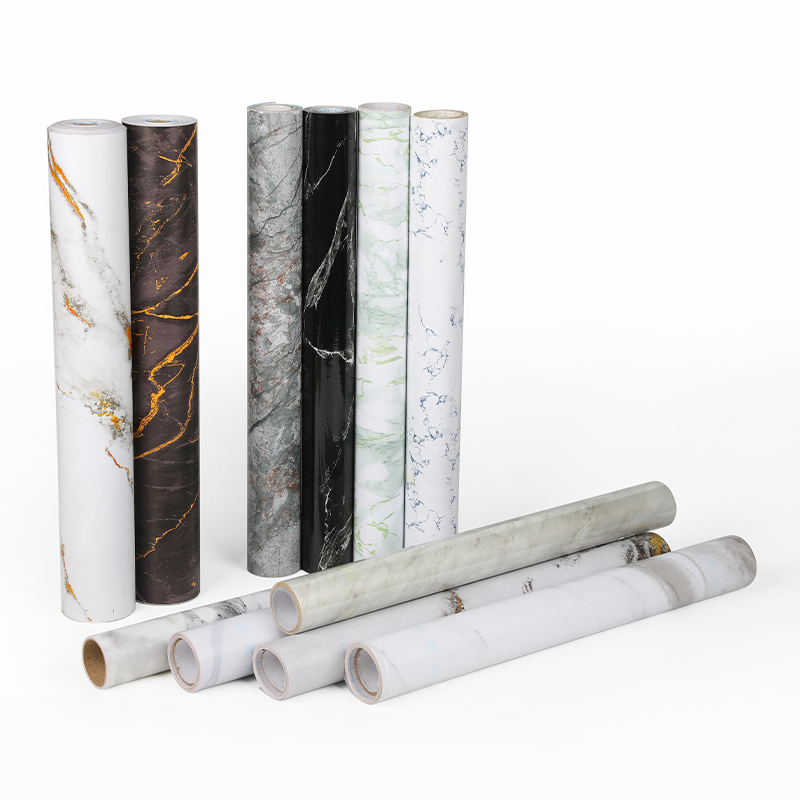
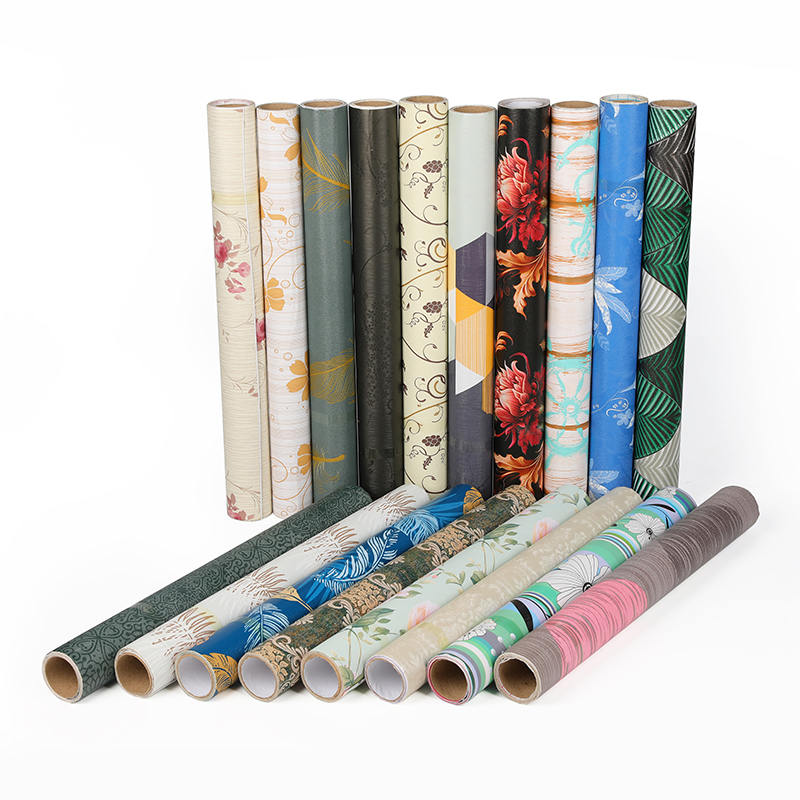
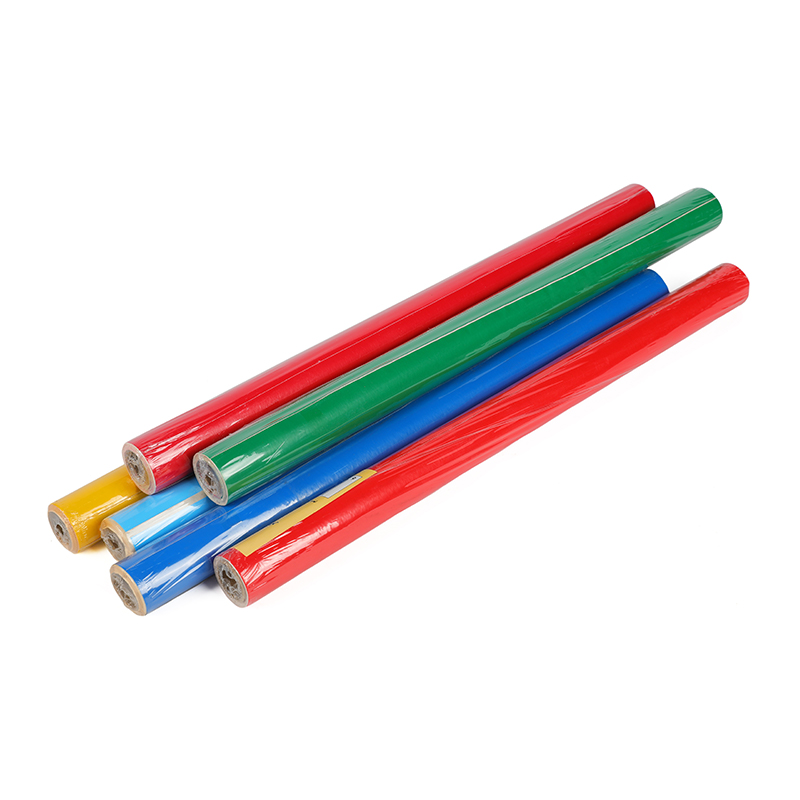
For educational and office supply applications, heat activated adhesives are the bonding mechanism behind protective book covering products. Adhesive book covers for wear-resistant, stain-resistant protection use pre-applied adhesive that bonds to the book cover surface with manual pressure or mild heat, providing a durable protective layer. For broader decorative and surface protection uses, PVC self-adhesive foil and wall stickers combine a pressure-sensitive adhesive backing with a durable PVC face film for interior surface covering applications.
Heat Activated Adhesives in Decorative Film Applications
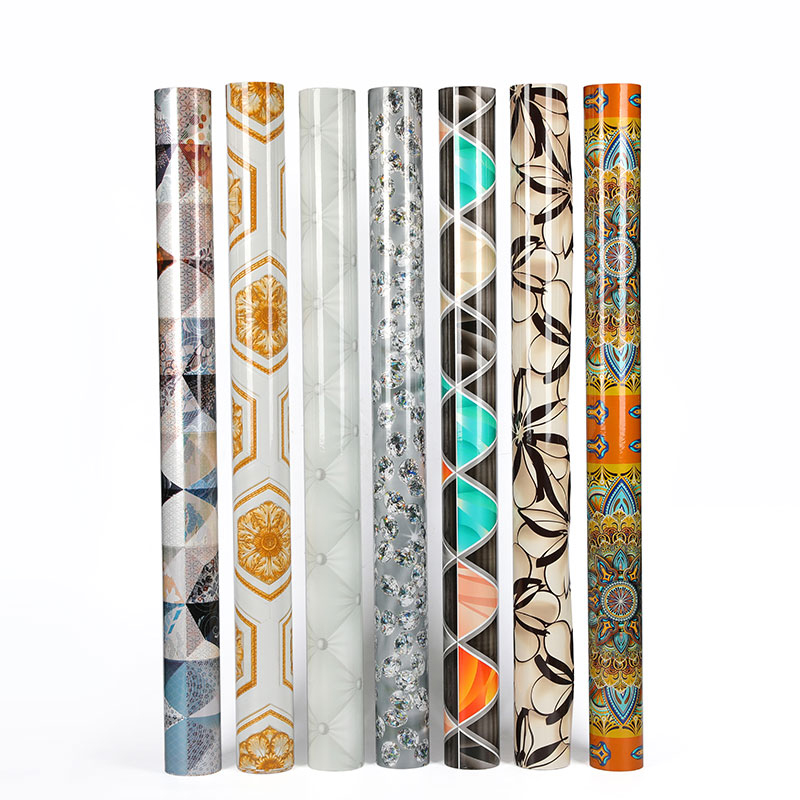
Decorative films — the PVC, polyester, and composite films used to resurface walls, doors, furniture panels, and glass — rely on adhesive technology to achieve durable bonding to a wide variety of substrates. The adhesive must bond strongly to the film face on one side and to the substrate surface on the other, while tolerating the mechanical and thermal stresses that surfaces encounter in use.
In demanding thermal environments, the adhesive layer must maintain bond integrity at elevated temperatures without softening, creeping, or releasing from the substrate. Heat resistant films for automotive and building applications are engineered specifically for high-temperature exposure — car window films and building glass films must maintain adhesion and optical clarity across temperature cycles that would cause standard adhesive films to bubble, delaminate, or yellow. The adhesive chemistry in these products is selected for thermal stability rather than activation temperature, ensuring the bond remains intact rather than reflowing at service temperatures.
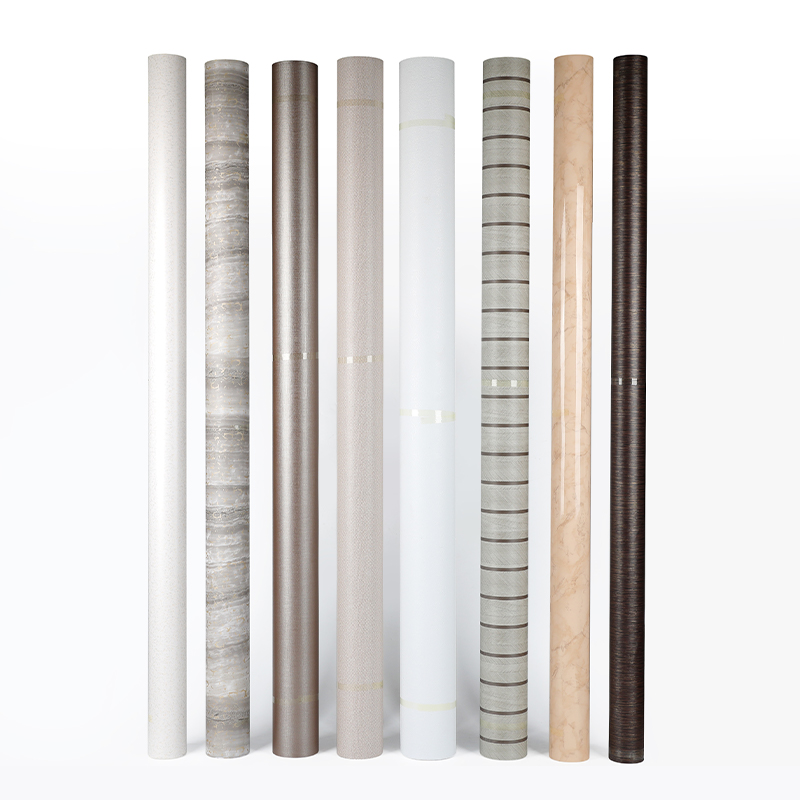
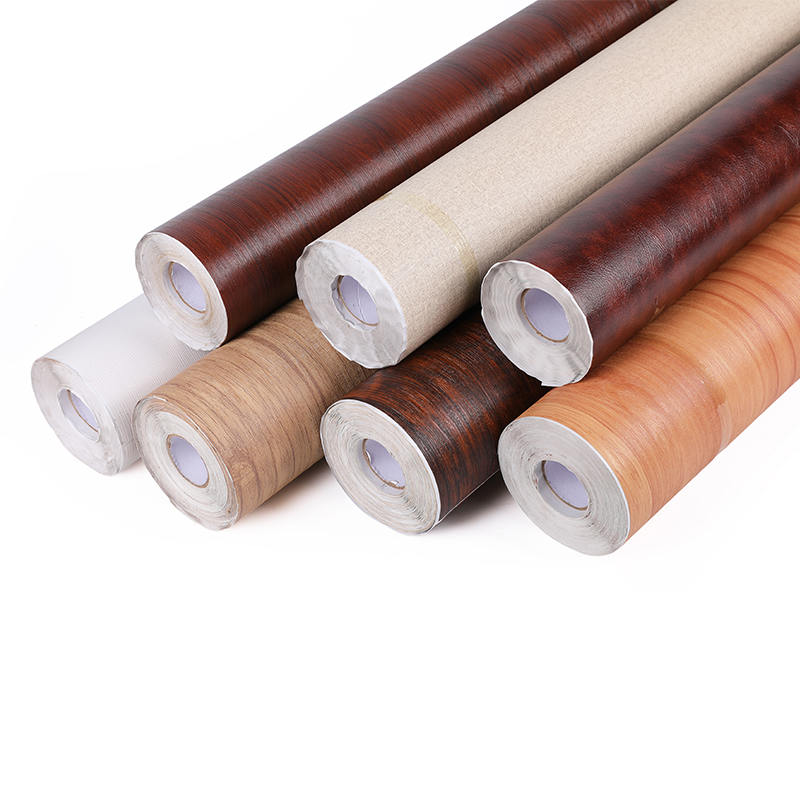
For interior decorative applications on wall panels, cabinet doors, and furniture surfaces, the adhesive requirement shifts toward flexibility, conformability, and long-term adhesion to smooth substrates like MDF, aluminum, and laminate. PVC decorative films for wall panels, doors, and furniture surfaces are produced with adhesive layers optimized for these substrates, providing the permanent surface transformation that renovation and refurbishment applications require without the cost and disruption of full replacement.
When Adhesive-Free Bonding Is the Better Choice
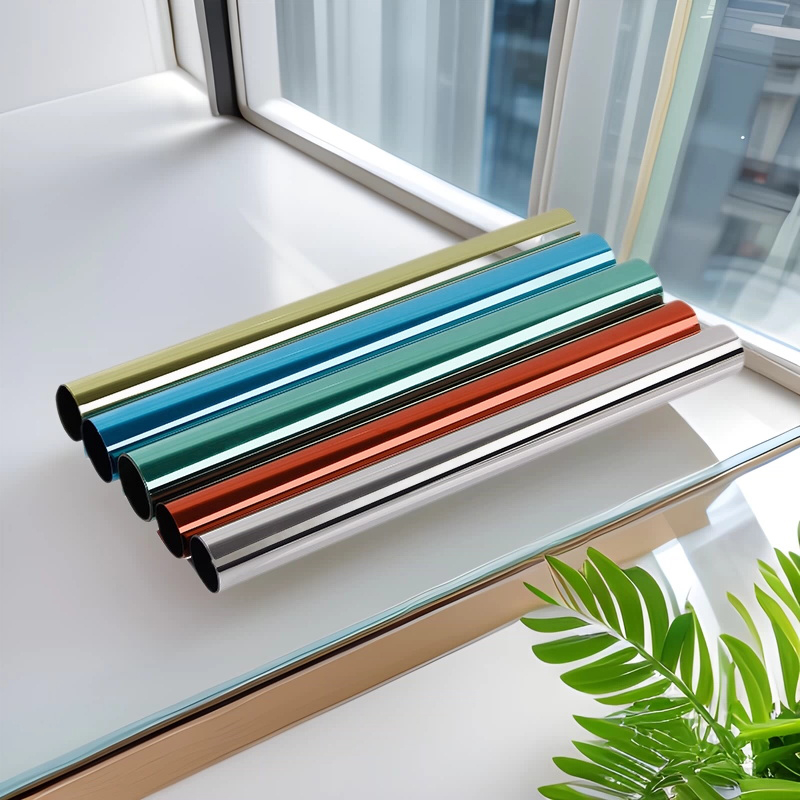
Not every surface film application requires an adhesive — and in some cases, an adhesive-free approach is preferable. Static cling films bond to smooth, non-porous surfaces — primarily glass — through electrostatic attraction alone, with no adhesive layer at all. They can be applied, removed, repositioned, and reapplied repeatedly without leaving residue on the glass surface, making them ideal for privacy films, decorative patterns, and temporary window treatments where the application may change seasonally or between occupants.
The trade-off is substrate limitation: static films only adhere effectively to smooth, clean, non-porous surfaces. They cannot bond to textured walls, painted surfaces, wood, or fabric — applications where a proper adhesive-backed film is required. For glass and mirror surfaces where residue-free, repositionable surface decoration is the priority, glue-free static glass films for adhesive-free surface decoration offer the installation flexibility and clean removal that adhesive-backed films cannot provide.
Key Selection Criteria for Packaging and Film Adhesives
Activation temperature compatibility. The adhesive's activation temperature must fall within the range that the heat source delivers and the substrate can tolerate. A substrate that softens or distorts at 130°C cannot be sealed with an adhesive requiring that temperature. Confirm the substrate's heat tolerance before specifying the adhesive activation range — typically 90°C to 150°C for standard applications, with lower-temperature formulations available for heat-sensitive substrates.
Substrate compatibility. Heat activated adhesives vary significantly in their ability to bond different substrate materials. A formulation that bonds strongly to paper and cardboard may have poor adhesion to polyolefin films without surface treatment. Confirm adhesive compatibility with both substrates in the bond — the film face and the surface being bonded to — using manufacturer data or test samples before committing to a specification.
Open time and process integration. Open time — the window between activation and bond formation — must match the process. Too short and the substrates cannot be positioned before the adhesive sets; too long and the assembly line cannot move fast enough to prevent contamination or cooling before bonding. For automated high-speed packaging, open times of 10 to 30 seconds are typical for hot melt adhesives. Film applications using heat presses have different timing requirements.
Regulatory compliance. Food contact packaging, medical device packaging, and products destined for regulated markets require adhesives certified to the applicable standards — FDA 21 CFR, EU Regulation 10/2011, ISO 10993 for medical applications. Confirm compliance documentation is available from the adhesive supplier before specifying for any regulated application. For decorative film and surface covering applications, low-VOC and formaldehyde-free adhesive formulations are increasingly required by green building standards and indoor air quality certifications.
 Previous