 English
 中文简体
中文简体 عربى
عربى
News
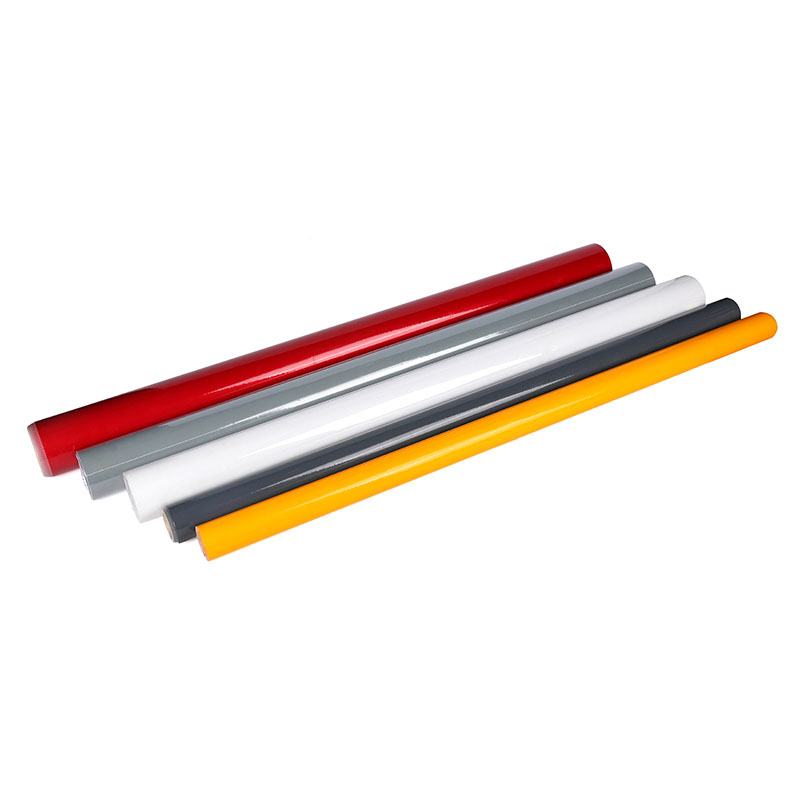
Glass decorative film has emerged as a versatile and cost-effective solution for enhancing interior aesthetics, improving privacy, and increasing safety without the need for expensive renovations. These thin, adhesive vinyl layers are applied directly to existing glass surfaces, offering an instant transformation that can mimic the look of frosted, etched, stained, or textured glass. For homeowners, office managers, and designers, glass decorative film provides a flexible alternative to replacing windows or installing blinds.
The primary advantage of using glass decorative film is its ability to balance light transmission with visual privacy. High-quality films can block up to 95% of harmful UV rays, protecting furniture and flooring from fading while maintaining a bright, open atmosphere. Additionally, safety films hold shattered glass together in the event of breakage, reducing the risk of injury and enhancing security in high-traffic areas.
Content
Types of Glass Decorative Films and Their Uses
Glass decorative films come in a wide variety of finishes and patterns, each serving specific functional and aesthetic purposes. Understanding the different types helps in selecting the right film for your needs.
Frosted and Etched Films
Frosted films are the most popular choice for privacy in bathrooms, conference rooms, and entryways. They diffuse light effectively, creating a soft, ambient glow while obscuring visibility. Modern etched films offer a more sophisticated, matte finish that closely resembles sandblasted glass, adding a touch of elegance to corporate environments.
Patterned and Textured Films
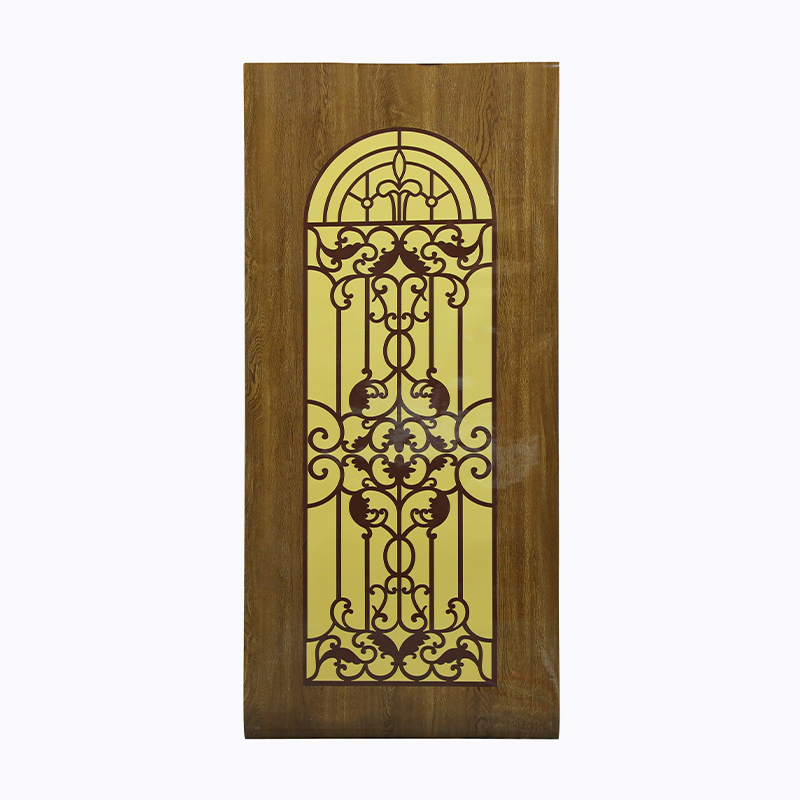
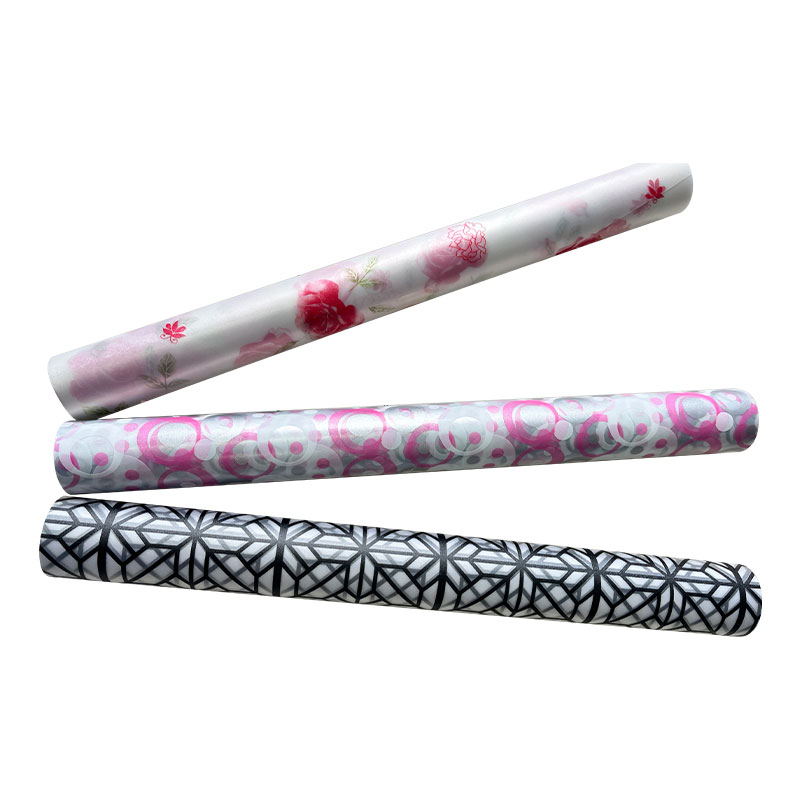
For those seeking a decorative touch, patterned films feature designs ranging from geometric shapes to organic motifs like leaves or water droplets. These films add visual interest to plain glass doors and partitions, serving as a focal point in interior design. Textured films can also mimic the appearance of wired glass or ribbed glass, providing a vintage or industrial aesthetic.
| Film Type | Primary Benefit | Best Application | Privacy Level |
|---|---|---|---|
| Frosted | Privacy & Light Diffusion | Bathrooms, Offices | High |
| Patterned | Aesthetic Enhancement | Entryways, Partitions | Medium |
| Mirror/Reflective | Heat Rejection & Privacy | Exterior Windows | High (Daytime) |
| Safety/Clear | Shatter Resistance | Storefronts, Schools | None |
Benefits Beyond Aesthetics
While visual appeal is a major driver for adopting glass decorative film, the functional benefits often provide a stronger return on investment. These films contribute to energy efficiency, safety, and brand identity.
Energy Efficiency and UV Protection
Many decorative films are engineered to reject solar heat, reducing the load on air conditioning systems. By blocking up to 79% of solar heat, these films can lower energy bills by 10-15% in sunny climates. Furthermore, the UV protection prevents fading of carpets, artwork, and furniture, extending their lifespan and maintaining the interior's fresh appearance.
Safety and Security Enhancement
Safety films add a protective layer to glass, holding shards together if the window is broken due to impact, storm, or accident. This reduces the risk of injury from flying glass and can deter break-ins by making it harder to penetrate the window quickly. In commercial settings, this added layer of security can also help meet building code requirements for glazing in hazardous locations.
Installation Best Practices and Maintenance
Proper installation is crucial for achieving a professional, bubble-free finish. While DIY kits are available, understanding the process ensures long-lasting results.
- Surface Preparation: Clean the glass thoroughly with a glass cleaner and a razor blade scraper to remove any dirt, grease, or old adhesive. Even tiny particles can cause bubbles or imperfections.
- Application Solution: Use a slip solution (water with a few drops of baby shampoo) to allow the film to be positioned correctly before adhering. This prevents premature sticking and allows for adjustments.
- Squeegee Technique: Start from the center and work outward to push out air and water bubbles. Use a felt-edged squeegee to avoid scratching the film. Ensure firm pressure to activate the adhesive properly.
- Curing Time: Allow the film to cure for 3-7 days depending on temperature and humidity. Avoid cleaning or touching the film during this period to ensure a strong bond.
Maintenance is straightforward: clean the film with a soft cloth and mild detergent. Avoid abrasive cleaners or sharp objects that could scratch the surface. With proper care, high-quality glass decorative films can last 10-15 years or more.
In conclusion, glass decorative film offers a practical, stylish, and efficient way to upgrade interior spaces. By combining aesthetic versatility with functional benefits like privacy, UV protection, and safety, it remains a top choice for modern interior design and facility management.
 Previous