 English
 中文简体
中文简体 عربى
عربىNews
Home / News / Industry News / Glass Decorative Film & Privacy Window Film: Types, Uses & Buying Guide
Professional manufacturer of architectural decorative film, Decorative Film Supplier in China

When it comes to upgrading glass surfaces without costly replacements, Glass Decorative Film and privacy window film have emerged as the go-to solutions for homeowners, interior designers, and commercial project managers worldwide. Combining aesthetics with function, these films deliver privacy, UV protection, and design impact at a fraction of the cost of etched or frosted glass. This guide covers everything you need to know — from product types to sourcing tips — so you can make confident decisions for your next project.
Content
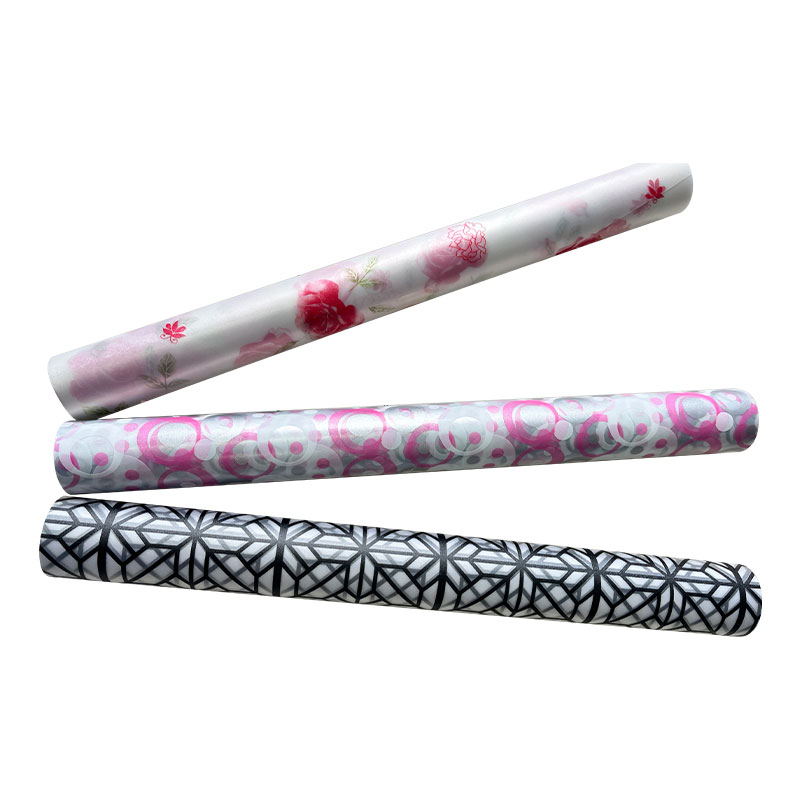
Glass decorative film is a thin, flexible sheet applied directly to glass surfaces to alter their appearance or performance characteristics. Unlike traditional glass treatments such as sandblasting or acid etching, decorative films are non-permanent, cost-efficient, and available in an almost limitless range of patterns, textures, and opacity levels.
Most modern glass decorative films are constructed from a polyester (PET) base layer bonded with a special coating — either a pressure-sensitive adhesive or a static-cling technology. The surface layer may carry printed patterns, metallic effects, frosted finishes, or colored translucent designs. High-quality films typically range from 2 mil to 12 mil in thickness, with thicker options offering added shatter resistance alongside their decorative value.
It is important to distinguish glass decorative film from standard window tint. Tint film is primarily engineered for solar control and heat rejection. Decorative film, by contrast, is designed first for visual impact — though many premium products deliver both simultaneously.
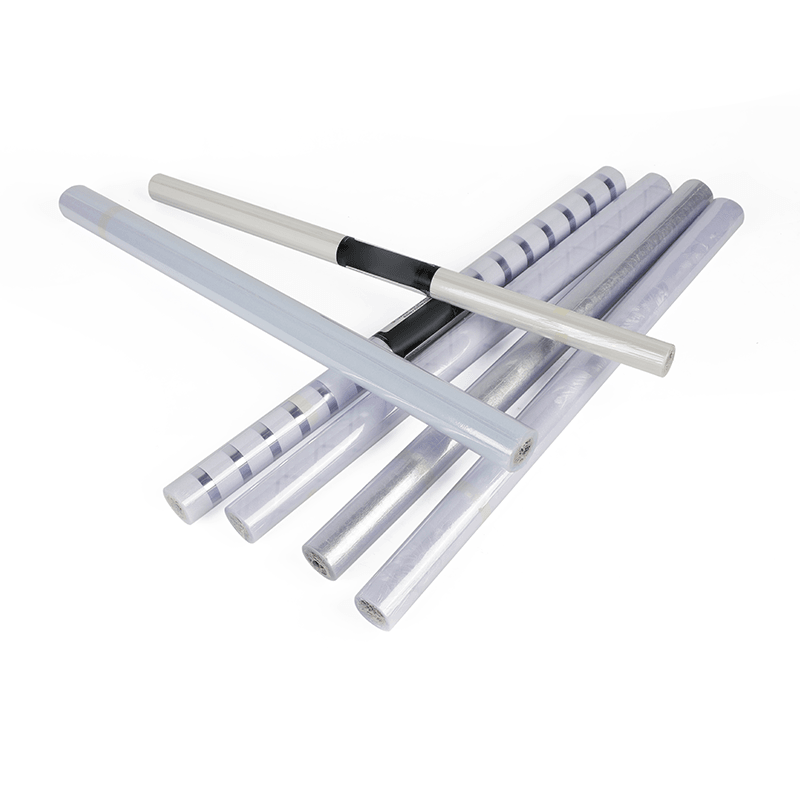
Privacy window film is the most in-demand subcategory within the broader decorative film market. Understanding the major types helps buyers select the right solution for each application:
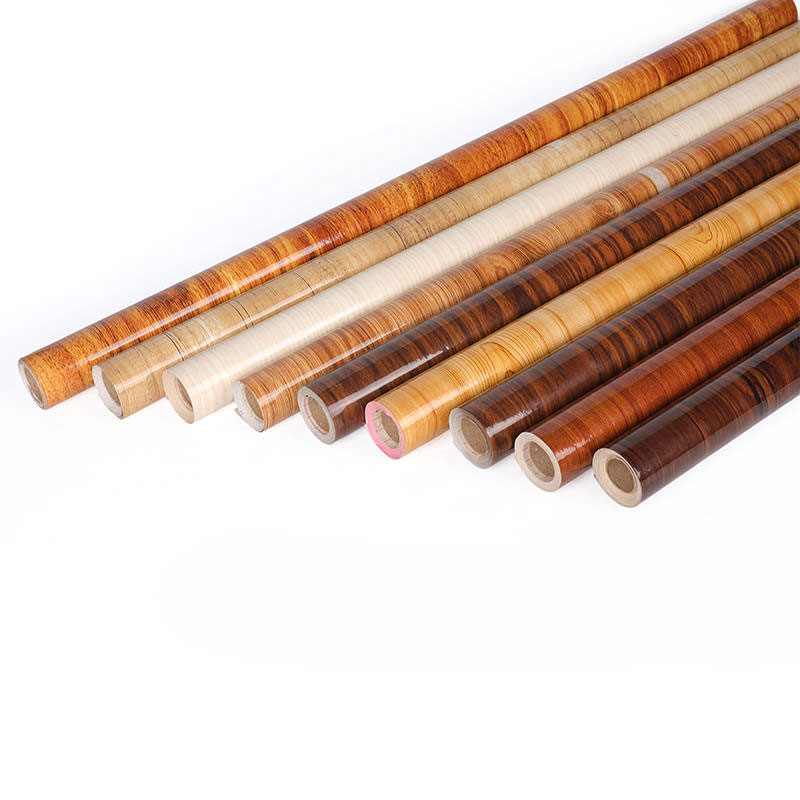
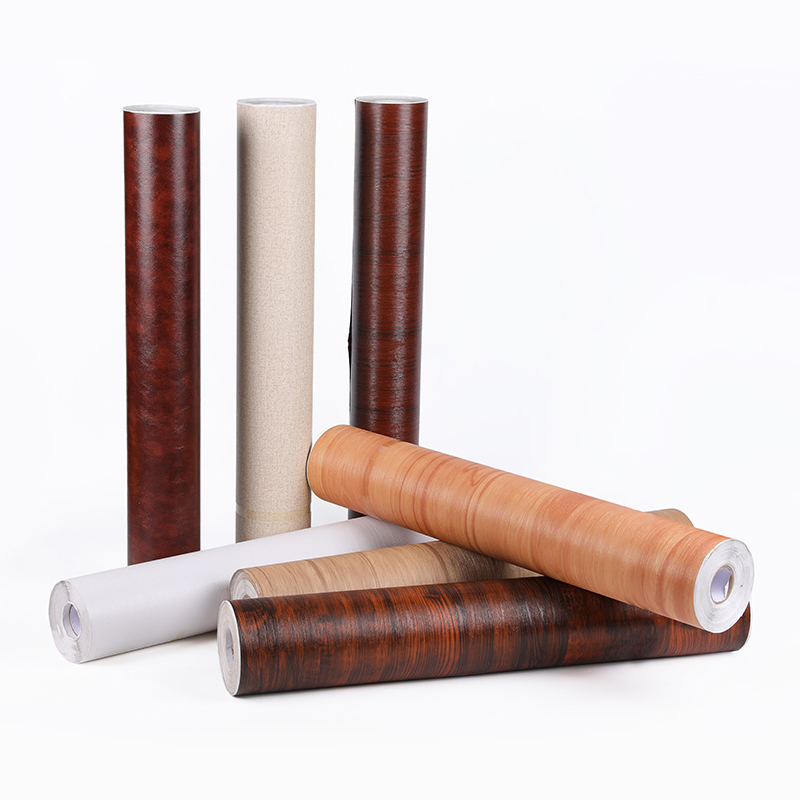
Buyers sourcing through a PVC Decorative Film manufacturer should also inquire about custom pattern capabilities — leading suppliers can produce bespoke designs for brand-specific or project-specific requirements.
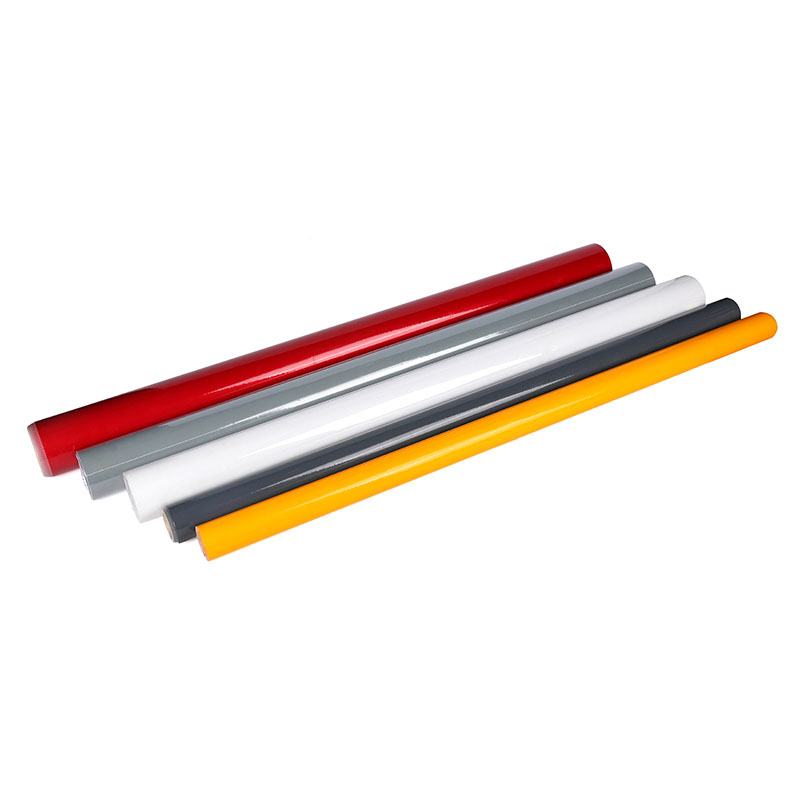
The versatility of glass decorative film means it finds a place across residential, commercial, and institutional environments. Here are the most common — and most impactful — use cases:
For real-world project references across these environments, browse our Application cases gallery to see how installers and designers are deploying glass film solutions globally.
Privacy is the primary driver for most purchases, but modern glass decorative films deliver a compelling secondary value stack that is often underappreciated at the specification stage:
| Benefit | Description | Typical Performance |
|---|---|---|
| UV Ray Rejection | Blocks harmful ultraviolet radiation that fades fabrics, flooring, and artwork | Up to 99% UV block |
| Solar Heat Reduction | Reflective and absorptive layers lower solar heat gain through glazing | 20–40% heat reduction |
| Safety / Shatter Retention | Thicker films hold glass shards together upon impact, reducing injury risk | 4–12 mil security grades |
| Energy Efficiency | Reduced solar gain lowers air conditioning loads in warm climates | Varies by film and climate |
| Glare Control | Diffuse or tinted films reduce screen glare in offices and living rooms | Significant improvement |
For applications where thermal performance is a priority, pairing decorative glass film with a Heat Resistant Film layer is a practical solution, particularly for south-facing or west-facing glass in warm climates.
With hundreds of products on the market, narrowing down the right glass decorative film requires evaluating several key parameters:
When in doubt, requesting physical samples before placing a bulk order is always advisable — reputable manufacturers supply samples to serious buyers at low or no cost.
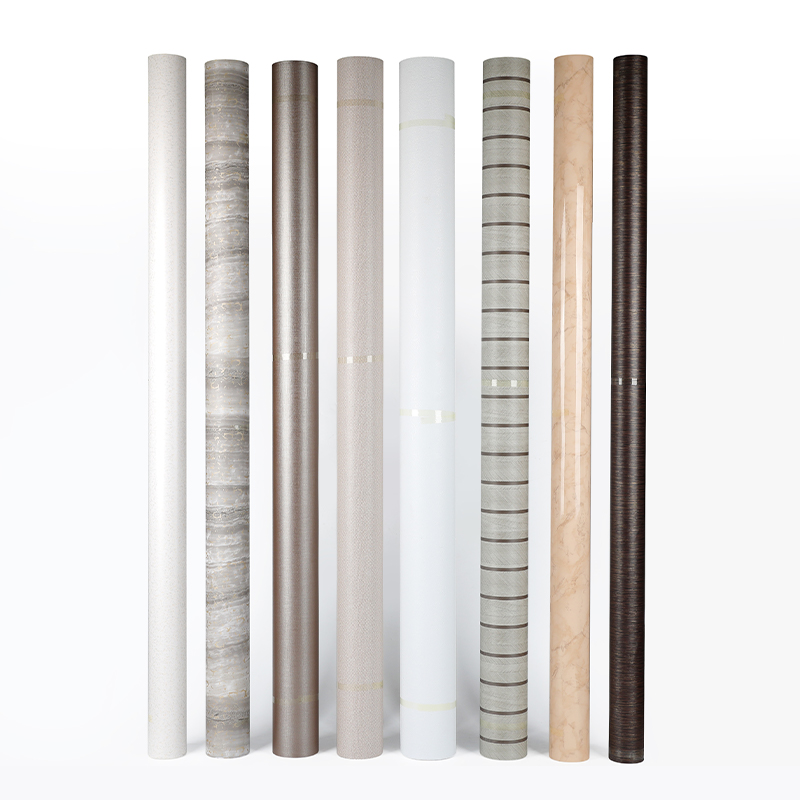
The quality gap between commodity glass film and professionally manufactured decorative film is substantial — and it shows in the field. Professional manufacturers invest in precision coating lines, rigorous raw material selection, and systematic QC protocols that consumer-grade or unbranded products simply cannot match.
Key advantages of sourcing from an established manufacturer include:
Zhejiang Han Yang New Materials Co., Ltd. is a professional manufacturer of architectural decorative film based in China, supplying distributors and project buyers across global markets. With a full product range spanning glass decorative film, PVC decorative film, reflective materials, and specialty films, Han Yang delivers consistent quality and flexible customization for B2B sourcing at scale. Contact us to discuss your project requirements and request samples.

To increase our production capacity, Han Yang has invested in a range of advanced equipment, including gravure printing machines, lamination machines, coating machines, and embossing machines. Architectural Decorative Film Supplier and Decorative Film Factory in China.

 Previous