 English
 中文简体
中文简体 عربى
عربى
News
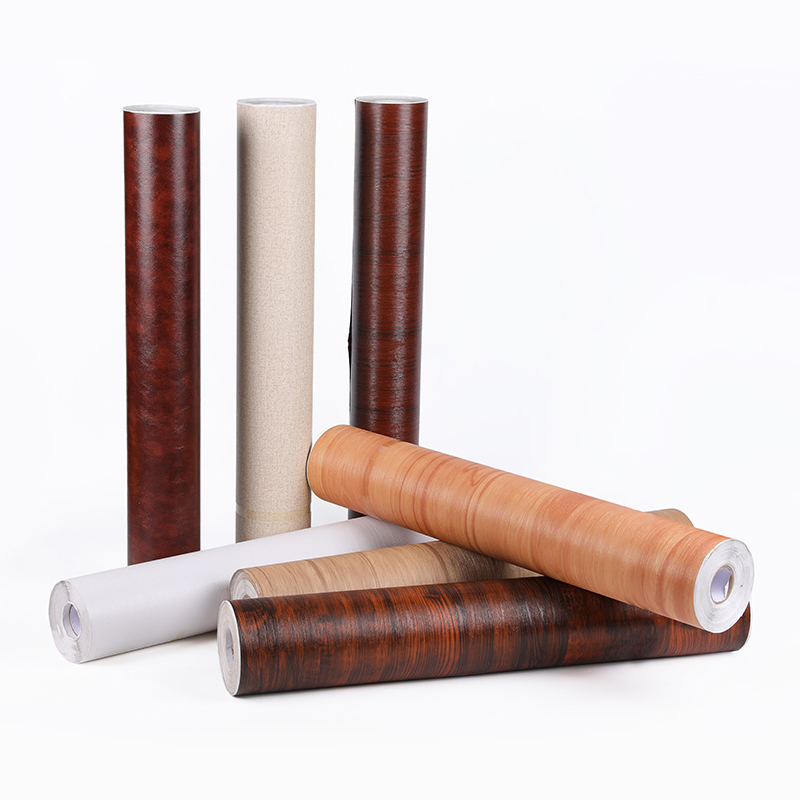
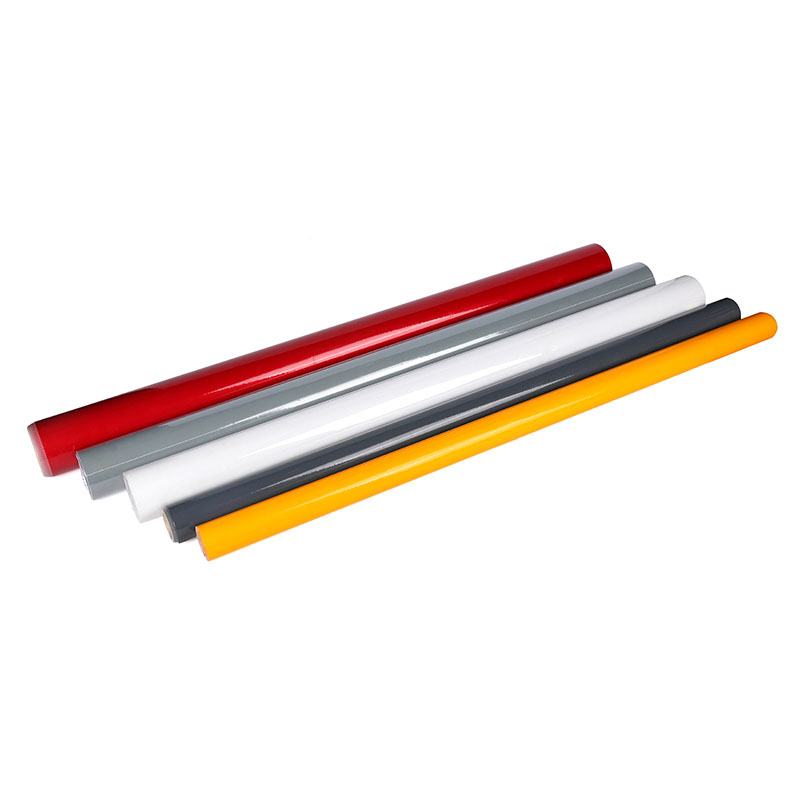
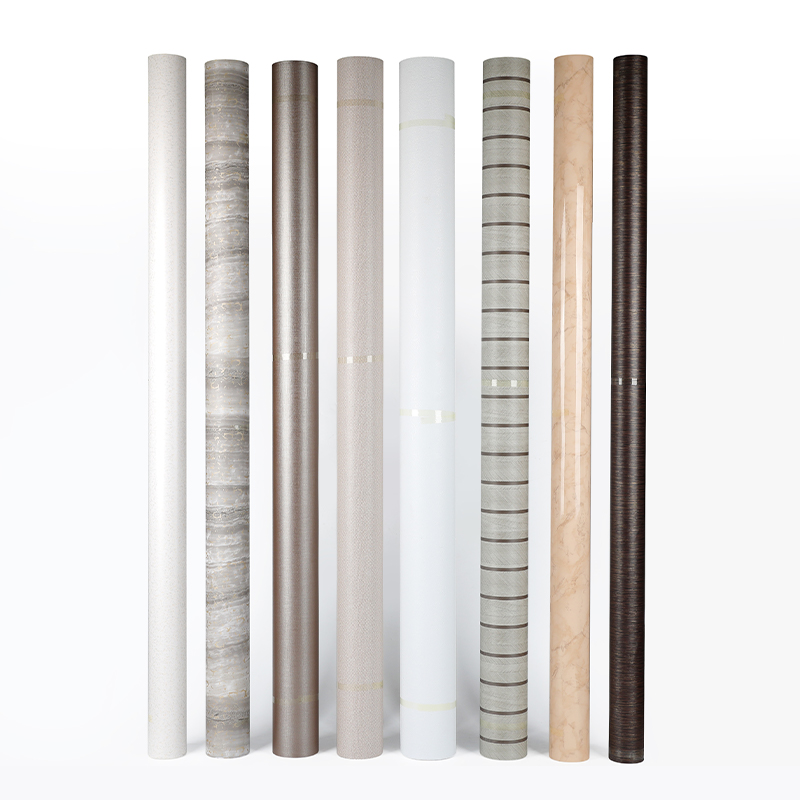
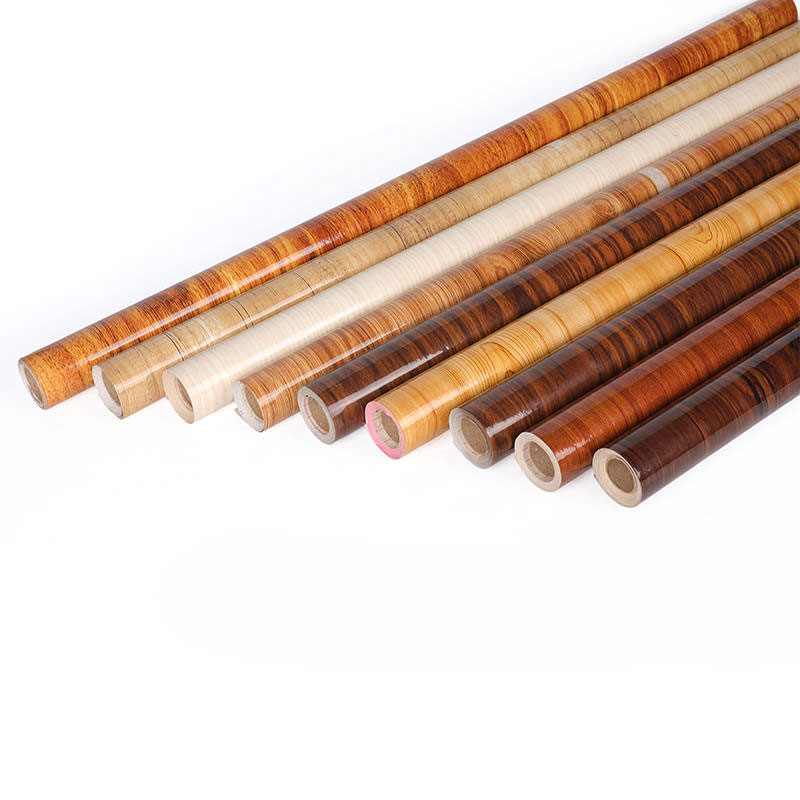
PVC decorative film has revolutionized interior design and furniture manufacturing by offering a cost-effective, durable, and aesthetically versatile alternative to natural wood, stone, and high-pressure laminates. For architects, designers, and homeowners, the primary advantage lies in its ability to transform ordinary substrates like MDF, plywood, or particleboard into premium-looking surfaces with 30-50% lower material costs compared to solid wood veneers. Its resistance to moisture, scratches, and UV fading makes it an ideal choice for high-traffic areas, kitchens, and bathrooms, provided that high-quality, low-VOC formulations are selected.
Content
Material Composition and Manufacturing Technology
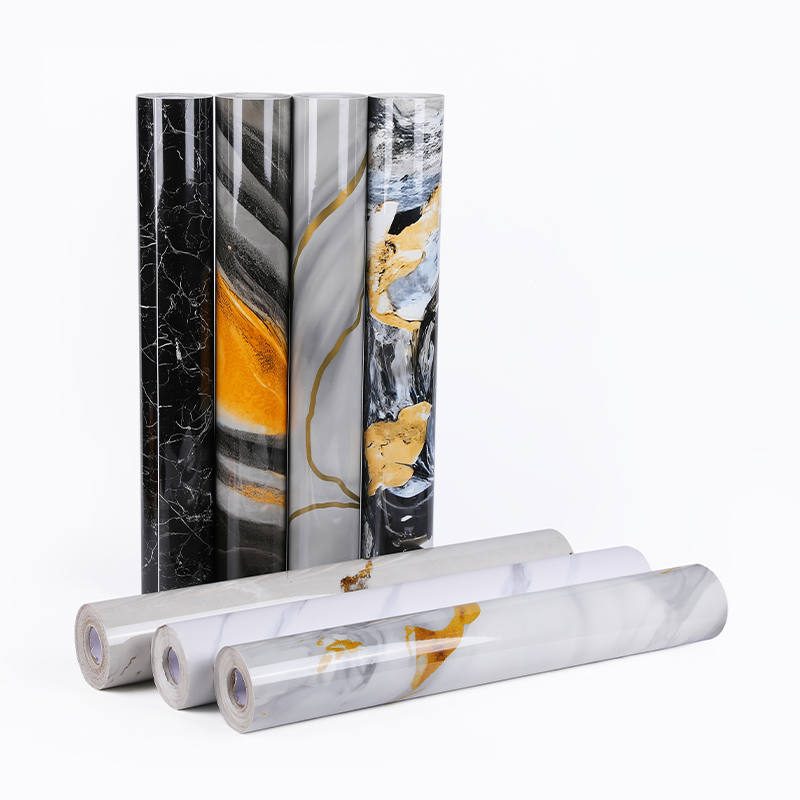
Polyvinyl Chloride (PVC) film is engineered through a multi-layer extrusion process. The base layer provides structural integrity, while the printed layer offers the visual design, ranging from realistic wood grains to abstract patterns. A critical component is the top wear layer, often treated with UV-cured coatings or embossed textures to enhance durability and tactile realism. Advanced manufacturing techniques now allow for "synchronized embossing," where the physical texture of the film aligns perfectly with the printed pattern, creating a highly authentic feel that mimics natural materials.
Key Performance Attributes
The performance of PVC decorative film is determined by its thickness, typically ranging from 0.12mm to 0.50mm for rigid applications, and the quality of its adhesive backing. Thicker films offer better conformability over complex shapes and edges, reducing the risk of telegraphing (where substrate imperfections show through). Furthermore, modern PVC films are increasingly formulated to be phthalate-free and low in volatile organic compounds (VOCs), addressing previous environmental and health concerns associated with older plastic materials.
- Moisture Resistance: Unlike wood veneer, PVC does not warp or swell in humid environments, making it ideal for bathrooms.
- Abrasion Resistance: High-quality wear layers can withstand over 1,000 rubs in Taber abrasion tests, ensuring longevity.
- Chemical Stability: Resistant to common household cleaners, acids, and alkalis, simplifying maintenance.
Applications in Interior Design and Furniture
The versatility of PVC decorative film extends across residential, commercial, and industrial sectors. In furniture manufacturing, it is extensively used for wrapping cabinet doors, drawer fronts, and shelving units. The ability to vacuum-form PVC film allows for seamless coverage of curved and profiled edges, eliminating the need for separate edge banding and reducing the risk of delamination. This seamless finish is particularly popular in modern, minimalist designs where clean lines are essential.
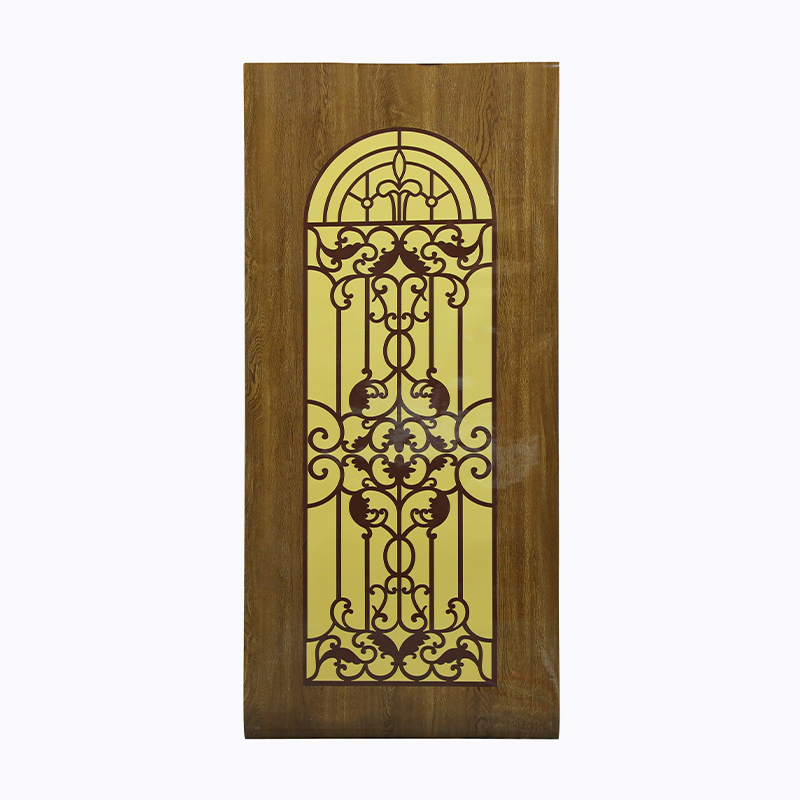
Beyond furniture, PVC film is increasingly used in architectural applications such as wall paneling, door skins, and ceiling tiles. Its lightweight nature reduces structural load, while its diverse aesthetic options allow for rapid customization of interior spaces. In retail and hospitality sectors, PVC-wrapped surfaces enable frequent aesthetic updates without the high cost and waste associated with replacing solid materials.
| Feature | PVC Decorative Film | Natural Wood Veneer | High-Pressure Laminate (HPL) |
|---|---|---|---|
| Cost Efficiency | High | Low | Medium |
| Moisture Resistance | Excellent | Poor (Requires Sealing) | Good |
| Design Flexibility | High (3D Wrapping) | Limited (Flat/Simple Curves) | Low (Flat Surfaces Only) |
| Installation Speed | Fast | Slow (Skilled Labor) | Medium |
Installation Best Practices and Maintenance
Proper installation is crucial to maximizing the lifespan and aesthetic appeal of PVC decorative film. The substrate must be clean, dry, and smooth, with any imperfections sanded down to prevent telegraphing. For vacuum forming applications, the MDF profile should have rounded edges with a minimum radius of 2mm to avoid film thinning or tearing. Adhesive selection is also critical; solvent-based contact adhesives are common, but water-based polyurethane dispersions (PUD) are gaining popularity due to lower VOC emissions and stronger initial tack.
Long-Term Care and Durability
Maintaining PVC-wrapped surfaces is straightforward. Regular cleaning with a soft cloth and mild detergent is sufficient to remove dust and grime. Avoid abrasive scrubbers or harsh chemicals like acetone, which can damage the wear layer. While PVC is highly durable, prolonged exposure to direct sunlight can cause slight color fading over time. Therefore, using UV-stabilized films is recommended for windowsills or sun-drenched areas. With proper care, PVC decorative film can maintain its appearance for 10-15 years, offering a sustainable and economical solution for interior surfacing.
- Surface Preparation: Ensure substrate moisture content is below 8% to prevent adhesive failure.
- Temperature Control: Install at room temperature (18-25°C) to ensure optimal adhesive activation and film flexibility.
- Edge Sealing: Although PVC is water-resistant, sealing cut edges in wet areas adds an extra layer of protection against substrate swelling.
 Previous