 English
 中文简体
 عربى

News
Content
What Self-Adhesive PVC Wallpaper Actually Is
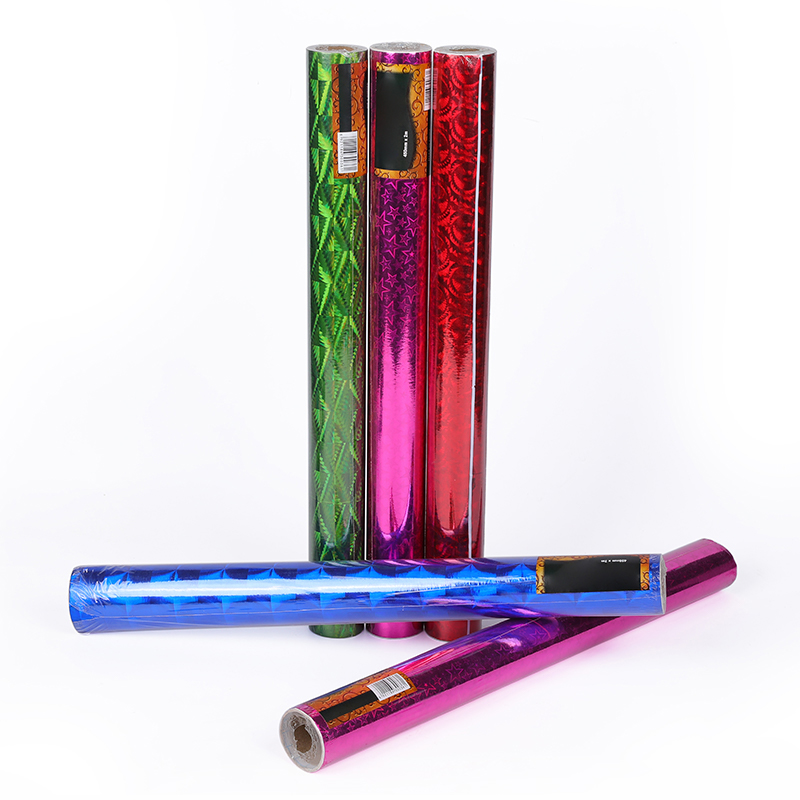
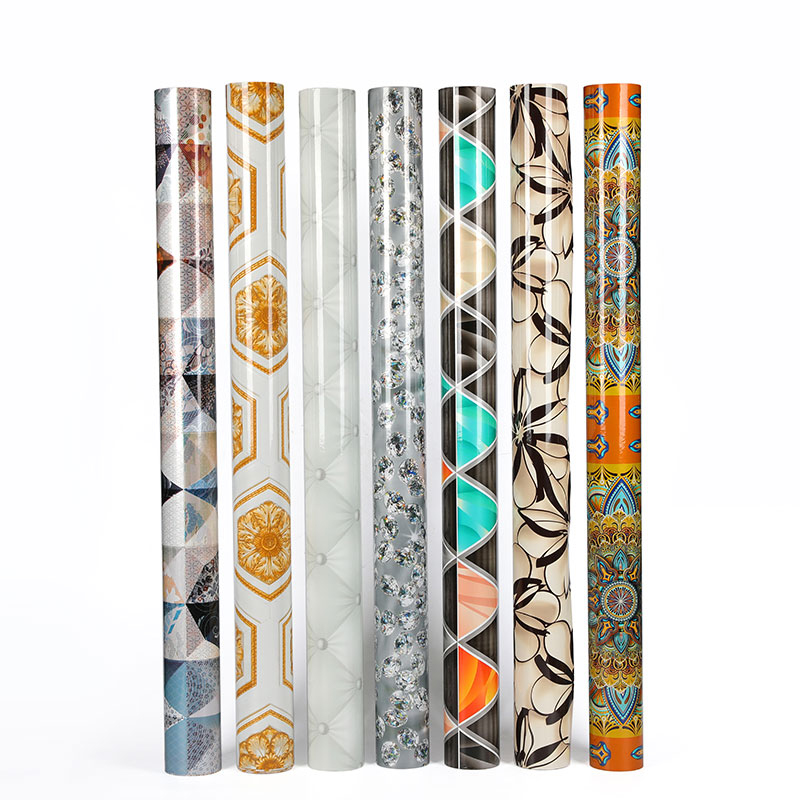
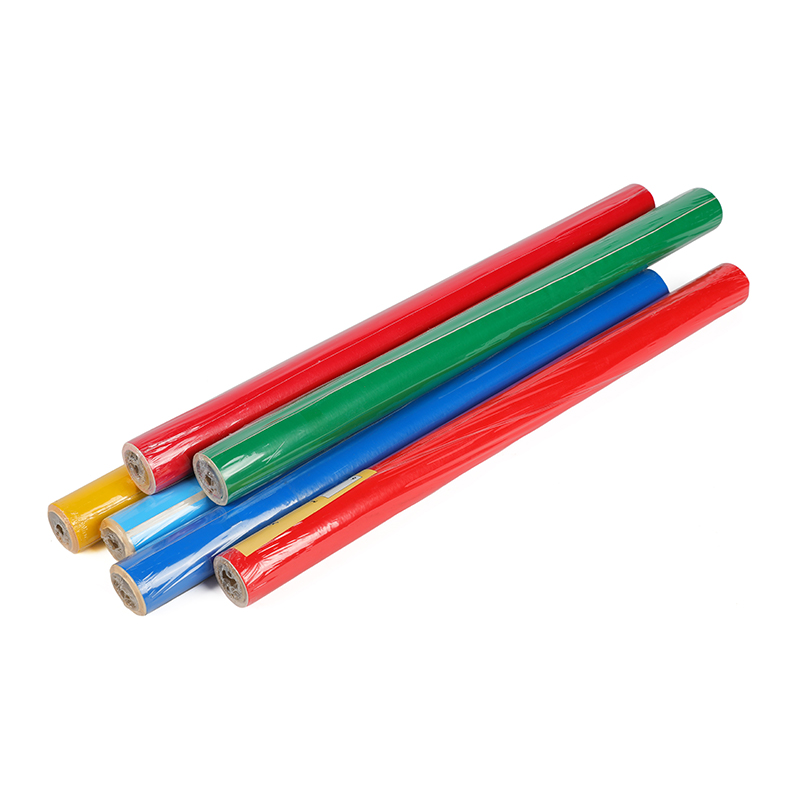
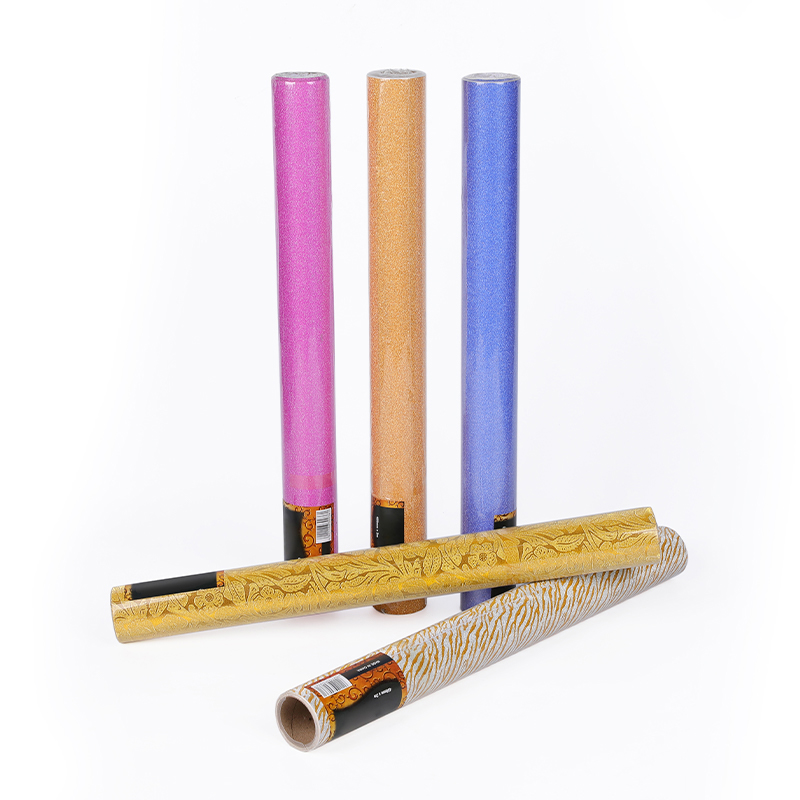
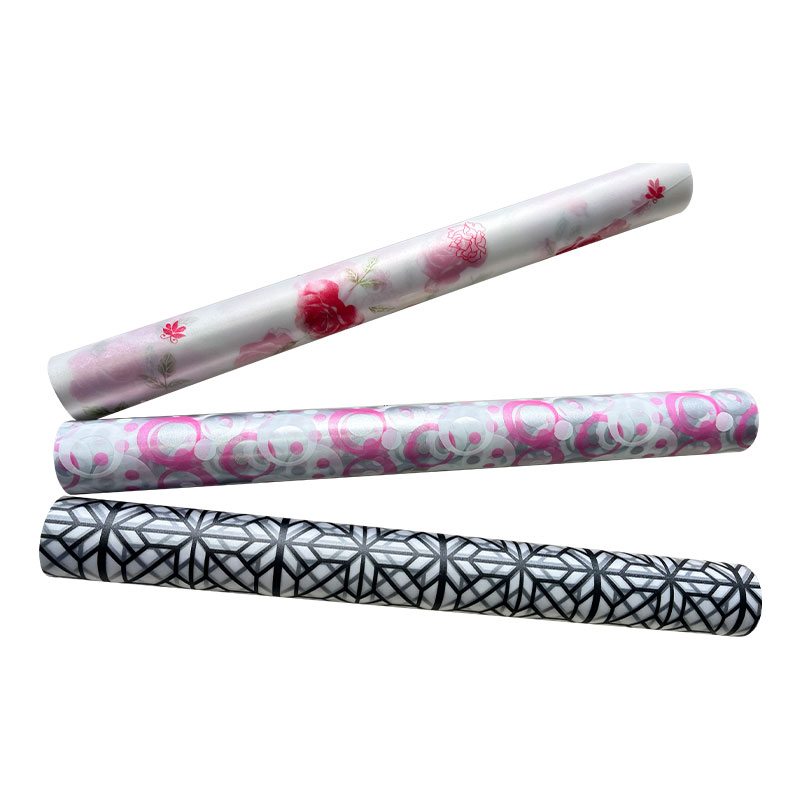
Peel back the liner on a roll of self-adhesive PVC wallpaper and you'll find three layers doing the work: a printed or textured PVC face, a pressure-sensitive coating underneath, and a paper backing that comes off right before you press it to the wall. No glue bucket. No brush. Nobody standing there second-guessing whether they mixed the paste too thin.
That's a real break from paste-applied wallcoverings, where the adhesive step happens separately and the seams need time to settle before you know if they'll hold. The bonding layer on a pre-coated self-adhesive PVC foil gets applied at the factory, under controlled conditions, so the person installing it on a Tuesday afternoon in July isn't the one deciding how well it bonds.
Thickness is the detail people underestimate. Go below 0.15mm and every dent or seam in the wall behind it shows through. Above 0.3mm, the film has enough body to hide minor flaws and survive a utility knife without tearing mid-cut — which matters more than it sounds like it should, the first time a corner rips on you.
Why Traditional Laminate Still Depends on Separate Adhesives
Laminate sheets show up with nothing on the back at all. Somebody has to add the bonding agent afterward — usually a solvent-based contact cement, sometimes a polyurethane adhesive — brushed or rolled onto both the sheet and the surface underneath. Wait for the solvent to flash off, roughly fifteen to twenty minutes, then mate the two surfaces under pressure. Once they touch, that's it. The bond grabs almost instantly, and there's no repositioning.
That flash-off window is where a lot of laminate jobs go sideways. Press it down too soon and the bond stays soft, shifting under any load. Wait too long and the cement skins over, leaving thin weak spots that don't show up until months later, when an edge starts lifting near a doorframe or a corner starts to bubble. Humidity makes the timing even harder to nail, which is a big part of why laminate work usually goes to a crew rather than a Saturday-afternoon DIYer.
There's a second layer to this most people never think about. Particleboard and MDF cores — the substrates laminate most often gets glued to — are frequently bonded during manufacturing with urea-formaldehyde resin. Add a solvent-based contact adhesive on top of that during installation, and you've got two separate sources of emissions instead of one.
Head-to-Head: Installation, Cost, and Durability
Put the two side by side and the tradeoffs are pretty consistent across projects. Self-adhesive film wins on speed — you can reposition it in the first few minutes if you botch the alignment. Laminate with a properly cured adhesive bond wins on sheer staying power once it's set.
| Factor | Self-Adhesive PVC Film | Laminate + Separate Adhesive |
|---|---|---|
| Tools required | Squeegee, utility knife | Roller/brush, press, ventilation |
| Cure or open time | None — bonds on contact | 15–30 minutes flash-off |
| Repositionable | Within the first few minutes | No, bond is permanent once set |
| Moisture resistance | High, sealed PVC surface | Depends on adhesive and substrate |
| Best substrate | Smooth, non-porous surfaces | Porous or structural substrates |
That last row ends up deciding most projects, honestly. Self-adhesive film wants something smooth and non-porous — think cabinets, doors, walls that already have a coat of paint. Laminate adhesives are formulated the opposite way, made to grab onto porous, structural material like plywood. Try to swap them and you'll get exactly the failure you'd expect.
Where Each Solution Makes Sense
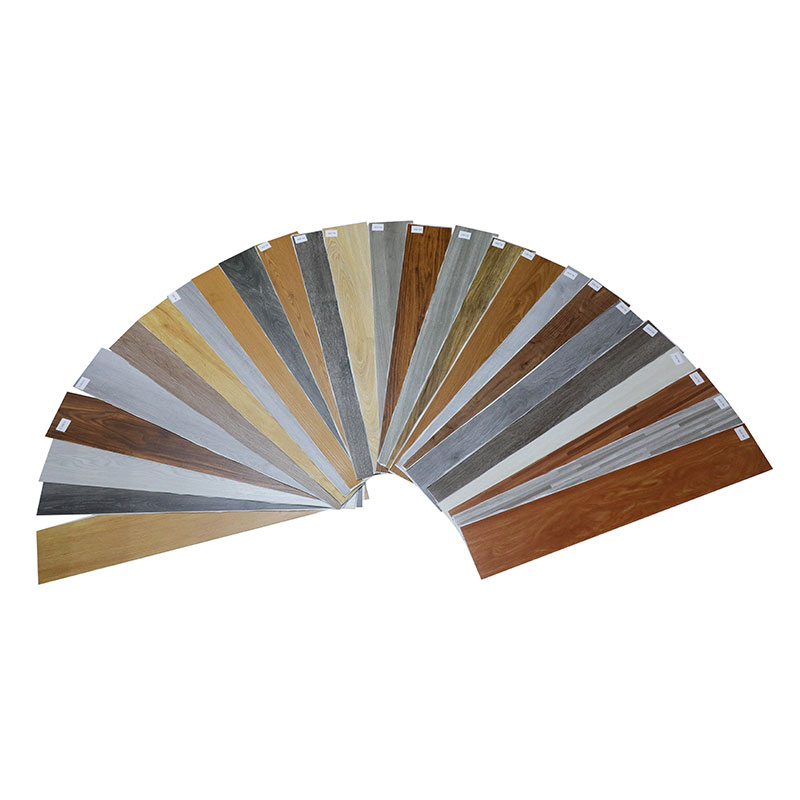
If the job is a quick refresh, a rental unit, or a space that might get renovated again in a couple of years, self-adhesive film is the obvious call. A kitchen backsplash or a run of cabinet fronts can go from tired to done in an afternoon, and if a sheet goes on crooked, you peel it up and try again before it sets. A wood-grain foil with an embossed texture can pass for real timber at a glance, without adding a single day to the schedule.
Bigger commercial builds, load-bearing furniture panels, or flooring that's going to take years of foot traffic are a different conversation. There, the permanence of a cured adhesive bond is exactly what you want. A spec calling for strong-adhesive LVT flooring or a high-gloss wood grain PVC film on furniture surfaces needs an adhesive system built for repeated mechanical stress — not something a peel-and-stick backing was ever designed to handle.
Plenty of projects end up using both. A hotel renovation might lean on self-adhesive film for wall accents that need to go up fast between guest checkouts, while the structural cabinetry still gets bonded with laminate adhesive because it has to survive a decade without anyone touching it again.

Emissions and Indoor Air Quality Considerations
Key point: Self-adhesive PVC film typically uses an acrylic pressure-sensitive adhesive, not a formaldehyde-based resin — and there's no wet solvent applied on-site.
Indoor air quality shows up on procurement checklists now in a way it didn't a decade ago, and adhesive chemistry is a big reason why. Urea-formaldehyde resin, still common in the composite cores laminate gets bonded to, releases formaldehyde vapor while it cures and, at lower levels, for a long time afterward. The EPA's formaldehyde emission standards for composite wood products under TSCA Title VI set hard limits on exactly this kind of off-gassing, and products sold in the US now need third-party certification to prove they meet them.
That's not a blanket guarantee — buyers should still confirm the exact adhesive formulation with the supplier — but it does knock out one whole category of on-site VOC exposure that laminate work carries with it.
For a hospital wing, a school, or anywhere with a tight occupancy deadline, this alone can tip the spec. A room bonded on-site with solvent-based contact cement usually needs a ventilation period before anyone moves back in. A self-adhesive film job typically doesn't ask for one.
Choosing a Supplier: What to Check Before Ordering
Not every roll of self-adhesive PVC film is built the same way, and a lot of that difference doesn't show up in a product photo. Before placing a bulk order, it's worth pulling a physical sample and running through a short checklist instead of trusting the datasheet on its own.
- Film thickness — measured, not just quoted on the spec sheet
- Adhesive type (acrylic PSA vs. rubber-based) and its rated peel strength
- Color consistency across batches, especially on long continuous runs
- Emissions or VOC certification paperwork, where the project requires it
It's also worth looking at how a PVC decorative film's layered construction affects durability and design flexibility over time, since that layered structure is what actually determines how the film holds up once it's on a real wall — not how it looks sitting in a sample box. Whichever direction a project goes, matching the adhesive system to the substrate and the timeline, instead of grabbing whatever's easiest to source, is usually what keeps a renovation from needing a do-over two years down the line.
 Previous