 English
 中文简体
中文简体 عربى
عربى
News
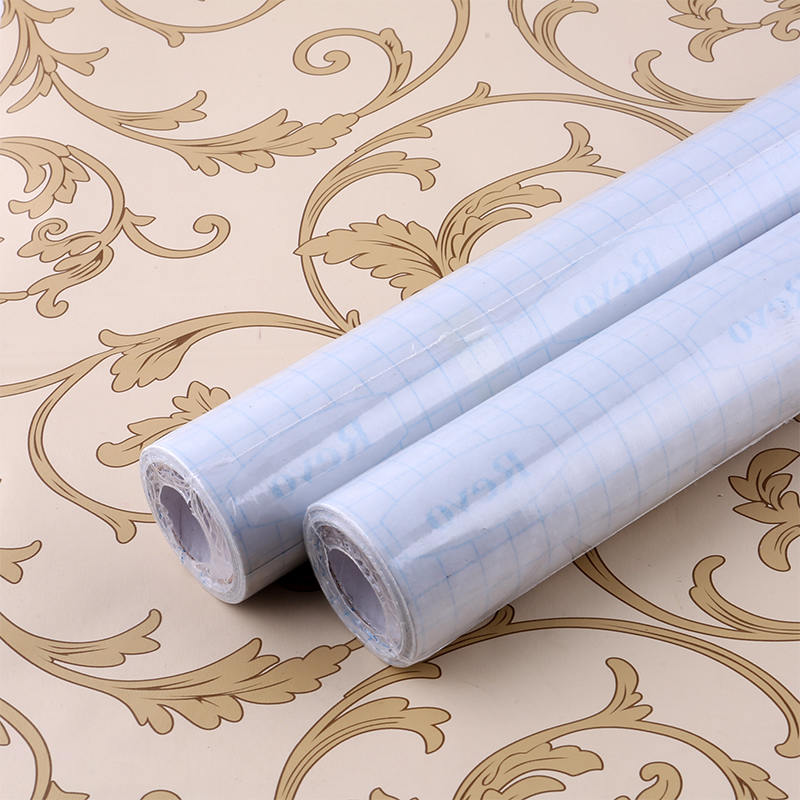
An adhesive book cover provides the most durable and seamless protection for textbooks, library archives, and personal collections by bonding directly to the book's dust jacket or hardcover. Unlike slip-on covers, adhesive films shield against spills, tears, and UV fading while maintaining a slim profile that fits easily on shelves. The key to successful application lies in preparing a dust-free surface, using a squeegee to eliminate air bubbles, and selecting the right film thickness—typically between 3 to 5 mils—to balance flexibility with robust protection.
Content
Selecting the Right Material and Finish
Not all adhesive covers are created equal. The material composition determines clarity, longevity, and ease of removal. Understanding these differences ensures you choose the best option for your specific needs.
Polypropylene vs. Polyester
Polypropylene (PP) is the most common material for adhesive book covers due to its cost-effectiveness and flexibility. It is ideal for standard school textbooks and paperbacks. Polyester (PET), often known by brand names like Mylar, is more rigid, tear-resistant, and chemically stable. It is the preferred choice for archival purposes and rare books, as it does not yellow over time and offers superior protection against moisture and acids.
Matte vs. Gloss Finishes
The finish affects both aesthetics and usability. Gloss finishes enhance color vibrancy and are easier to wipe clean, making them suitable for high-traffic environments like classrooms. However, they are prone to glare under bright lights. Matte finishes reduce reflection, improving readability, and feel smoother to the touch, but they may show fingerprints more readily. For library reference sections, matte finishes are often preferred to minimize visual distraction.
Step-by-Step Application Technique
Proper application is critical to avoid bubbles, wrinkles, and misalignment. A methodical approach ensures a professional, long-lasting result.
- Clean the Surface: Wipe the book cover with a dry, lint-free cloth to remove dust and debris. Any particle trapped under the adhesive will create a permanent bump.
- Measure and Cut: Lay the book open on the adhesive film. Leave a margin of at least 2-3 cm on all sides. Cut the film to size, rounding the corners slightly to prevent peeling.
- Peel and Align: Peel back a small portion of the backing paper from one edge. Align the film carefully with the edge of the book cover. Once aligned, slowly pull away the backing while smoothing the film down with a squeegee or credit card.
- Smooth Out Bubbles: Work from the center outward to push air bubbles toward the edges. If a bubble persists, prick it with a fine needle and press flat.
- Fold Edges: Fold the excess film over the edges of the cover and onto the inside. Press firmly to ensure strong adhesion.
Comparison with Alternative Protection Methods
While adhesive covers are popular, other methods exist. Choosing the right one depends on the value of the book and the desired level of protection.
| Method | Durability | Reversibility | Best For |
|---|---|---|---|
| Adhesive Cover | High | Low (Risk of damage) | Textbooks, Library Books |
| Slip-On Cover | Medium | High | Temporary use, Paperbacks |
| Lamination | Very High | None | ID Cards, Menus |
| Archival Sleeve | Medium | High | Rare Books, Collectibles |
Adhesive covers offer a middle ground, providing near-lamination durability without the rigidity. However, for rare or valuable first editions, non-adhesive archival sleeves are recommended to preserve the original condition of the dust jacket.
Removal and Maintenance Tips
Eventually, you may need to remove an adhesive cover. Doing so incorrectly can tear the underlying paper or leave stubborn residue.
Safe Removal Techniques
To remove an adhesive cover, start by lifting a corner with a blunt tool like a bone folder or plastic spatula. Apply gentle, consistent heat using a hairdryer on a low setting to soften the adhesive. Peel slowly at a 45-degree angle to minimize stress on the book cover. If residue remains, use a small amount of citrus-based adhesive remover on a cloth, testing it on an inconspicuous area first to ensure it does not damage the ink or paper.
Long-Term Care
Once applied, adhesive covers require minimal maintenance. Wipe them regularly with a damp cloth to remove dirt and oils. Avoid exposing covered books to extreme heat or direct sunlight for prolonged periods, as this can cause the adhesive to degrade or the film to warp. Properly applied, a high-quality adhesive cover can extend the life of a book by 5-10 years or more.
 Previous